Contents — explore this biography
Oran and early imaginationThe Dior yearsA house with Pierre BergéClothes and cultural referencesRive Gauche and a wider audienceRetirement and archival legacyOran and early imagination
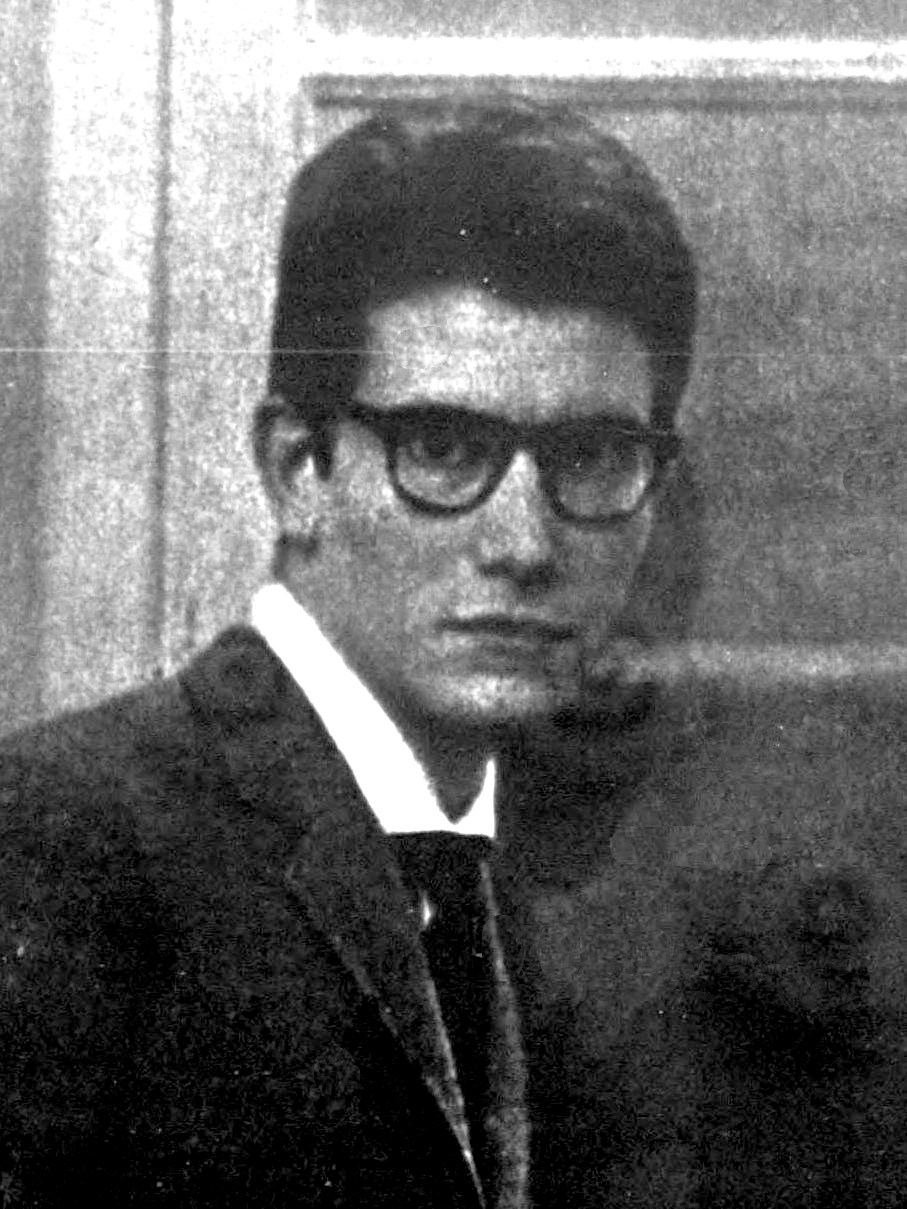
Yves Henri Donat Mathieu-Saint-Laurent was born in Oran in 1936. Childhood interests in drawing, theatre and costume preceded his move to Paris. Competition recognition and contact with French Vogue editor Michel de Brunhoff helped open professional opportunities. His early career joined a strong imaginative world to the demanding technical setting of Paris couture, where a design had to be realized by skilled workshops.
The Dior years
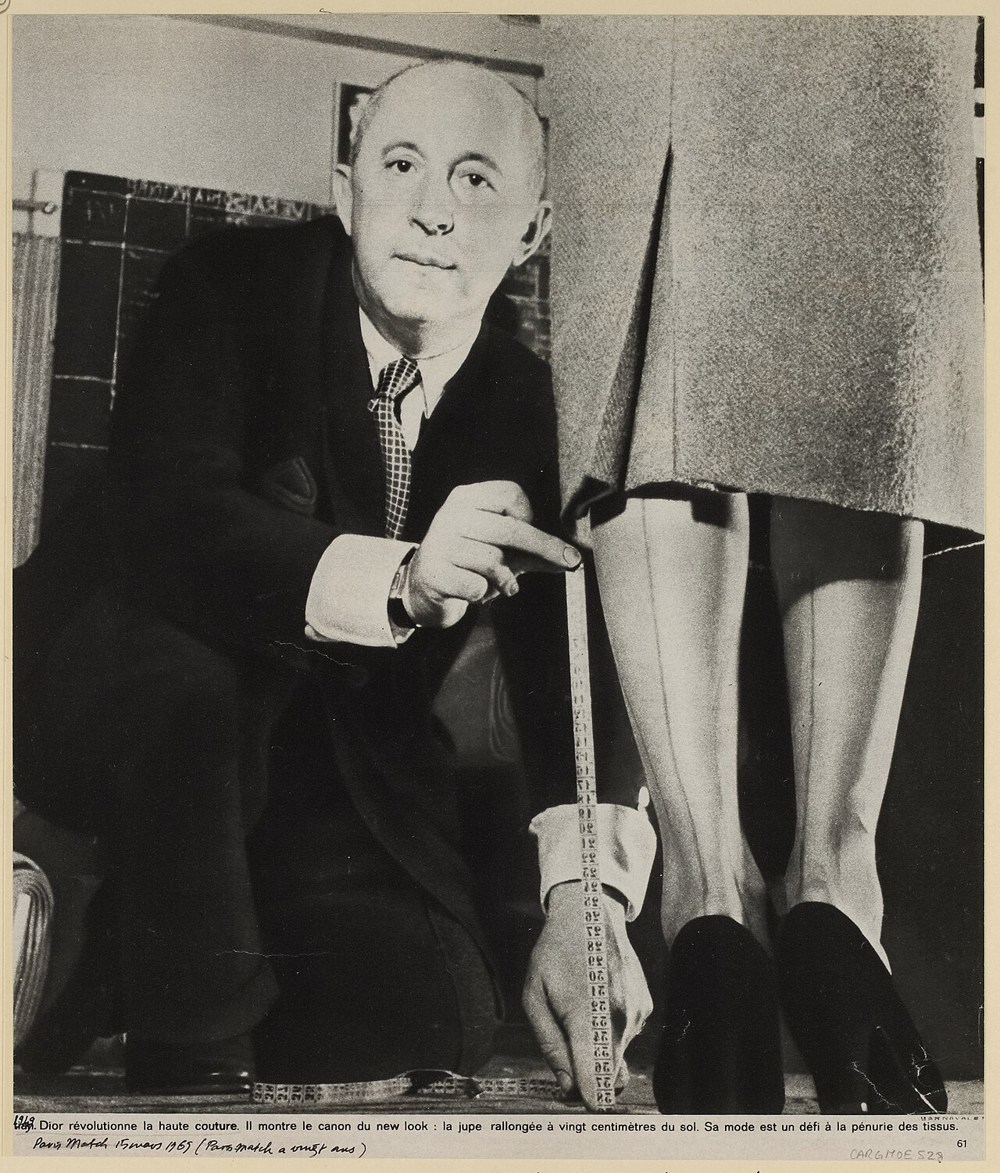
He joined Christian Dior’s studio in 1955 and succeeded the founder after Dior’s death in 1957. His first Dior collection appeared in January 1958, with the Trapeze line providing a prominent new silhouette. The appointment made him a very young leader of an established house. He was interpreting and changing an inherited institution rather than founding the Dior company himself.
A house with Pierre Bergé
After leaving Dior, Saint Laurent created his own house with Pierre Bergé in 1961 and presented the first collection in 1962. Bergé’s business and organizational role was central to the partnership. Separating creative authorship from commercial management does not diminish either contribution. It explains how a designer’s ideas could be sustained through financing, production, presentation and distribution.
Clothes and cultural references
The Mondrian dresses of 1965 connected a painted language of geometric colour with the structure of a garment. Le Smoking, introduced in 1966, adapted the tuxedo for women. Safari jackets and trouser suits also became associated with his work. These designs were propositions about how women could appear in public, but their social meaning depended on wearers, settings and the changing norms around them.
Rive Gauche and a wider audience
The Rive Gauche ready-to-wear initiative opened in 1966, giving the business a channel beyond individually fitted couture. Artistic and historical references continued to shape later collections. Ready-to-wear expanded distribution, but it did not erase differences in price, construction or clientele. A complete career account therefore distinguishes a couture presentation, a shop opening and the practical circulation of clothes through everyday life.
Retirement and archival legacy
Saint Laurent retired from couture in 2002 and died in 2008. Museums in Paris and Marrakech now preserve and interpret the work alongside the partnership’s wider cultural history. His contribution lies in specific garments, references and methods of translation rather than a claim to have invented women wearing trousers. The archival record makes his innovations more legible by placing them within the traditions he adapted and the collaborators who helped realize them.
Career timeline
Begins working as Christian Dior’s assistant.
Presents the first collection as Dior’s successor.
Establishes the house with Pierre Bergé.
Introduces the tuxedo and expands into a dedicated ready-to-wear channel.
Closes his personal couture career with a retrospective presentation.
Selected works & milestones
Trapeze
Presents the first collection as Dior’s successor.
Own house
Establishes the house with Pierre Bergé.
Le Smoking and Rive Gauche
Introduces the tuxedo and expands into a dedicated ready-to-wear channel.
Couture retirement
Closes his personal couture career with a retrospective presentation.
- Musée Yves Saint Laurent Paris — archival biographies
- Musée Yves Saint Laurent Marrakech — designer biography
- Musée Yves Saint Laurent Paris — the Dior years
- Yves Saint Laurent — biographical reference and source notes
Published 2026-10-31. Sources reviewed for this edition. Independent coverage of public professional activity.