Contents — explore this biography
Granville and the artsWork before his own houseFounding with financial backingThe first collection and New LookFragrance and international businessA short directorship and long legacyGranville and the arts
Christian Ernest Dior was born in Granville in 1905. His early interests included drawing and the arts, and he later participated in a Paris gallery business. Financial difficulties pushed him toward selling illustrations and eventually working in fashion. The sequence matters: the celebrated couture house emerged from earlier professional experience and setbacks, rather than being his first attempt to organize a creative enterprise.
Work before his own house
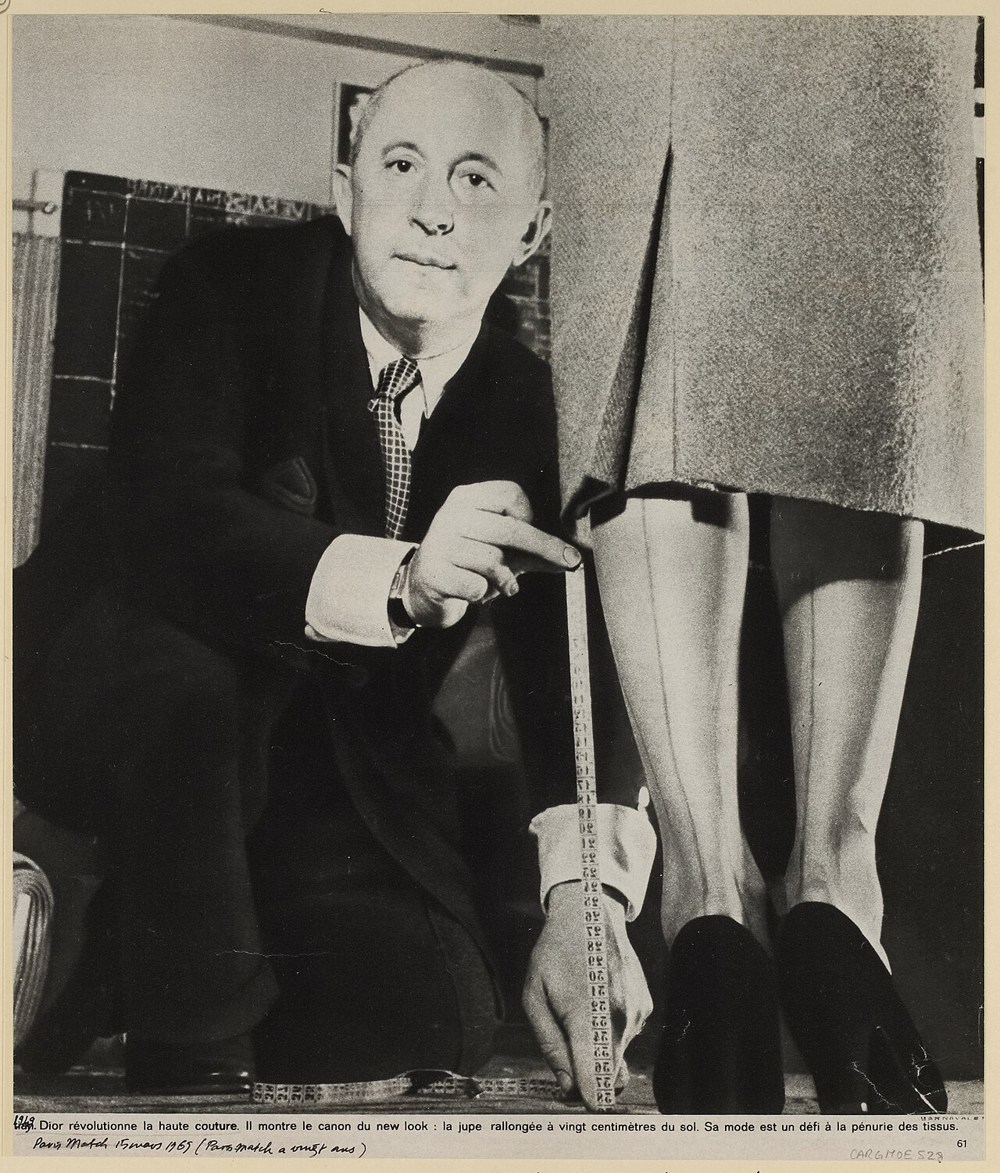
Dior designed for Robert Piguet and later Lucien Lelong, developing practical knowledge of couture before founding the business that carried his name. Couture required the translation of a drawing into a garment through specialist ateliers. His experience therefore involved collaboration with pattern cutters, fitters and seamstresses, a structure that remained fundamental when he became the leading public figure of his own establishment.
Founding with financial backing
The house was established in 1946 with backing from textile industrialist Marcel Boussac. Its headquarters at 30 Avenue Montaigne became a central part of the company’s identity. Founder status and financing were separate contributions, and the business was not simply a designer working alone. Administrative management and the capacity of the ateliers made a rapid, highly visible debut possible.
The first collection and New Look
On 12 February 1947 Dior presented the first collection, including the Corolle and En 8 lines. The phrase New Look emerged from the response of Harper’s Bazaar editor Carmel Snow. Rounded shoulders, a defined waist and fuller skirts contrasted with wartime austerity, attracting both enthusiasm and criticism. The silhouette was a constructed proposal for postwar femininity, not a universally welcomed or economically accessible change for every woman.
Fragrance and international business
Miss Dior launched in 1947, connecting perfume with the public identity of the couture house. Overseas operations and licensing extended the name into additional markets and products. These arrangements helped make fashion commercially larger than the sale of individually fitted garments. The technical work of perfumers and the organization of distribution were essential to that expansion and should not disappear behind the founder’s celebrity.
A short directorship and long legacy
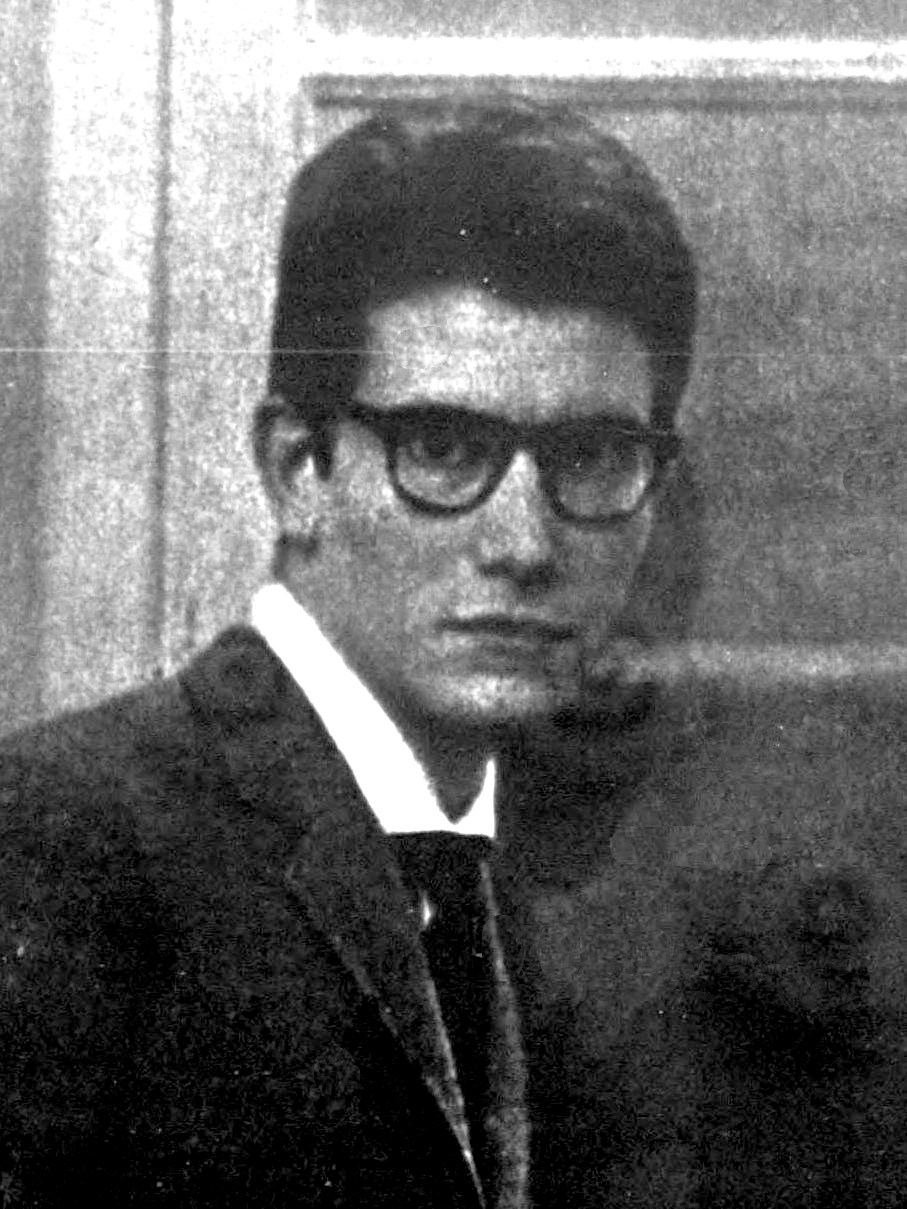
Dior died in October 1957, and Yves Saint Laurent succeeded him as the house’s designer. The founder’s own period at the business was therefore relatively brief compared with its subsequent history. His legacy combines silhouette, atelier practice and a strategy of coordinated products. Later collections and corporate ownership belong to other people’s decisions, even when they refer back to the visual language established during his lifetime.
Career timeline
Establishes the house with Marcel Boussac’s financial backing.
Presents the first collection on 12 February.
Introduces the fragrance alongside the emerging fashion identity.
Yves Saint Laurent enters the studio as an assistant.
Dior dies and Saint Laurent is appointed his successor.
Selected works & milestones
New Look
Presents the first collection on 12 February.
Miss Dior
Introduces the fragrance alongside the emerging fashion identity.
Saint Laurent joins
Yves Saint Laurent enters the studio as an assistant.
Succession
Dior dies and Saint Laurent is appointed his successor.
- La Galerie Dior — official house chronology
- Design Museum — Dior biography and timeline
- La Galerie Dior — founder’s office and business organization
- Christian Dior — biographical reference and source notes
Published 2026-10-31. Sources reviewed for this edition. Independent coverage of public professional activity.