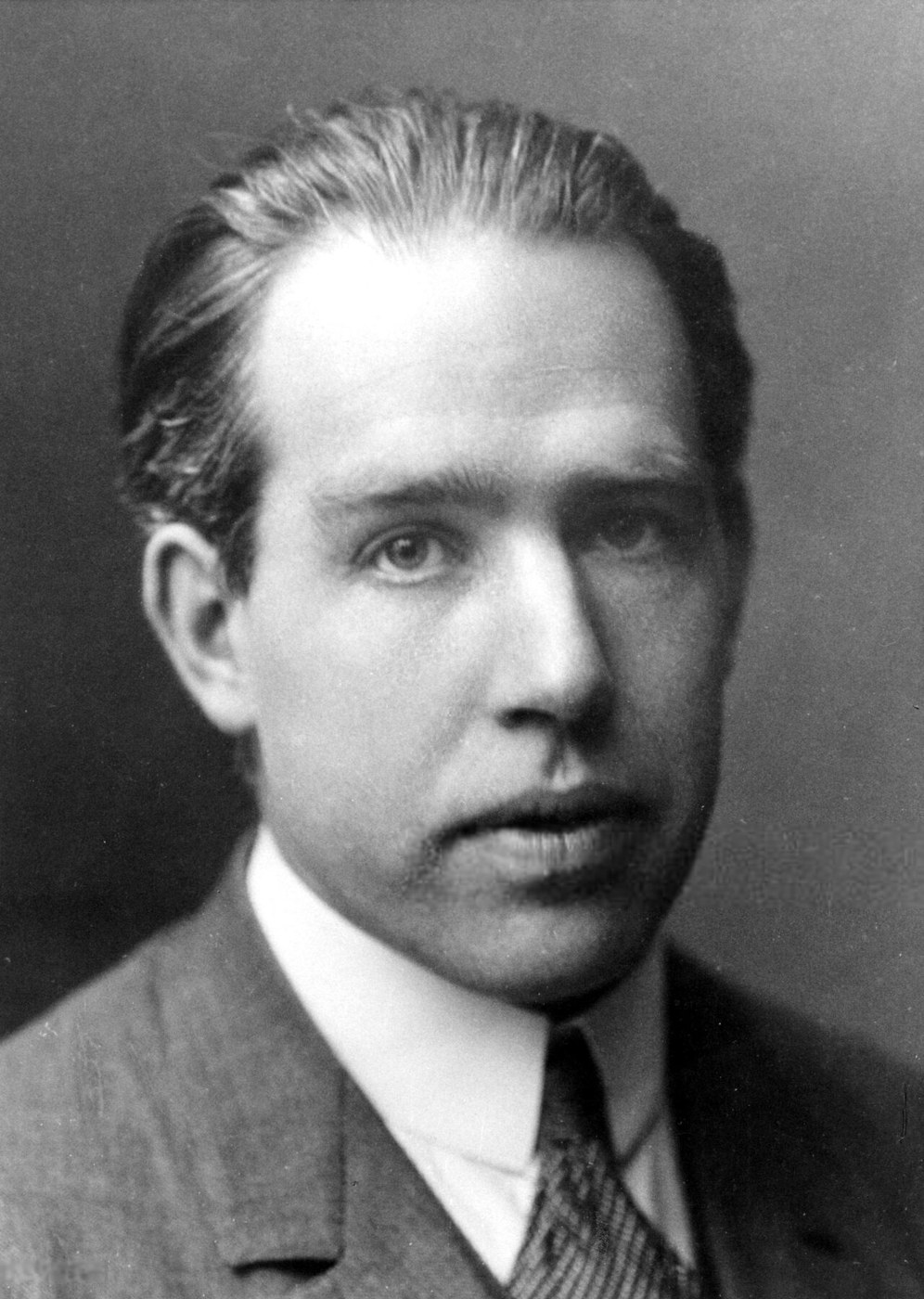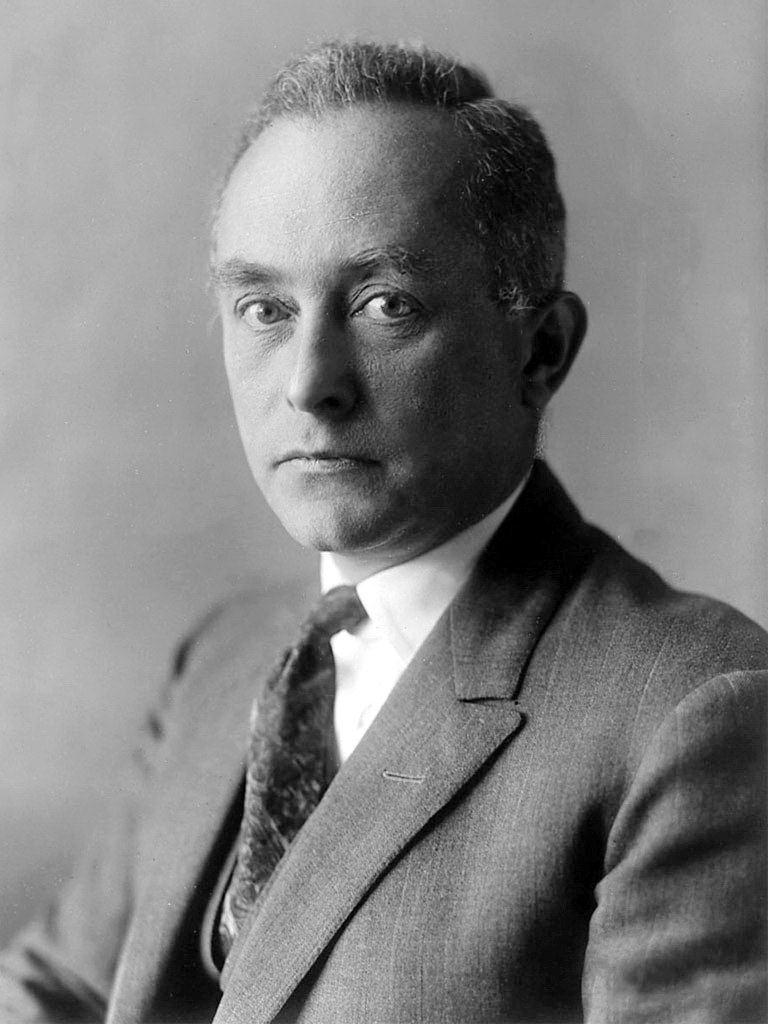
Contents — explore this biography
From thermodynamics to theoretical physicsThe black-body radiation problemEnergy quanta in 1900A scientific career within institutionsWhat his contribution changedFrom thermodynamics to theoretical physics
Born in Kiel in 1858, Planck studied in Munich and Berlin before establishing an academic career in theoretical physics. His early interests centred on thermodynamics, particularly the laws governing heat and entropy. Appointments in Kiel and then Berlin placed him within a research culture that was trying to connect macroscopic physical laws with microscopic explanations.
The black-body radiation problem
By the end of the nineteenth century, physicists sought a mathematical account of the radiation emitted by a heated body. Experimental measurements did not fit the available theoretical descriptions across the entire spectrum. Planck approached the discrepancy as a precise problem in the relationship between temperature, frequency and energy, rather than as an invitation to abandon established physics wholesale.
Energy quanta in 1900
In 1900 Planck introduced a quantization assumption into his treatment of radiation. Energy exchanges involved units related to frequency through the constant now bearing his name. The proposal became a starting point for quantum theory, although its subsequent interpretation developed through the work of Albert Einstein, Niels Bohr and other physicists, rather than emerging fully formed in one paper.
A scientific career within institutions
Planck received the Nobel Prize in Physics for 1918, presented in 1919. Alongside his university work, he held influential positions in German scientific organizations. His later career unfolded through war and the Nazi dictatorship; institutional continuity, political pressure and the displacement of colleagues are essential context for understanding that period rather than treating scientific leadership as separate from history.
What his contribution changed
Planck died in Göttingen in 1947. His name remains attached to a fundamental constant and to Germany’s Max Planck Society. The durable significance of his work is conceptual: quantities once assumed continuously variable required a different treatment at atomic scales. The history also distinguishes his initial radiation hypothesis from the broader quantum mechanics developed by later generations.
Career timeline
Born in Kiel, then in the Duchy of Schleswig.
Completed his doctorate in Munich.
Joined the University of Berlin.
Introduced energy quanta in his radiation theory.
Received the Nobel Prize in Physics for 1918.
Selected works & milestones
Radiation law
Connected the spectrum of thermal radiation with temperature and frequency.
Energy quanta
Introduced the discrete-energy assumption into radiation theory.
Nobel Prize in Physics
Recognized the discovery of energy quanta; presented the following year.
Scientific institutional leadership
Became president of the Kaiser Wilhelm Society.
- Nobel Prize — biographical record
- Nobel Prize — award and facts
- Biographical references and further reading
Published 2026-11-02. Sources reviewed for this edition. Independent coverage of public professional activity.