Contents — explore this royal house
Why the name Windsor began in 1917The twentieth-century successionHouse name and personal surnameThe present family relationshipsThe monarchy and representative governmentHistorical timelineWhy the name Windsor began in 1917
George V adopted Windsor as the royal house’s name in 1917, replacing Saxe-Coburg-Gotha during the First World War. The change concerned the name of an existing dynasty, not the creation of an entirely new monarchy. Windsor Castle supplied the name. A history of the house therefore begins with that decision while recognizing the much older institutions and family relationships that preceded it.
The twentieth-century succession
George VI succeeded Edward VIII after the 1936 abdication. Elizabeth II became sovereign in 1952 and reigned until 2022. Those transitions involved different circumstances: abdication, death and accession are not interchangeable events. Charles III succeeded Elizabeth on 8 September 2022, and his coronation followed in May 2023. The ceremony marked a reign that had already begun.
House name and personal surname
Windsor identifies the royal house. Mountbatten-Windsor is used as a surname by some descendants of Elizabeth II and Prince Philip in particular circumstances. The terms do not require the house itself to be renamed. Likewise, a spouse’s membership of the royal family does not change that person’s birth family. Camilla was born Shand and Catherine was born Middleton.
The present family relationships
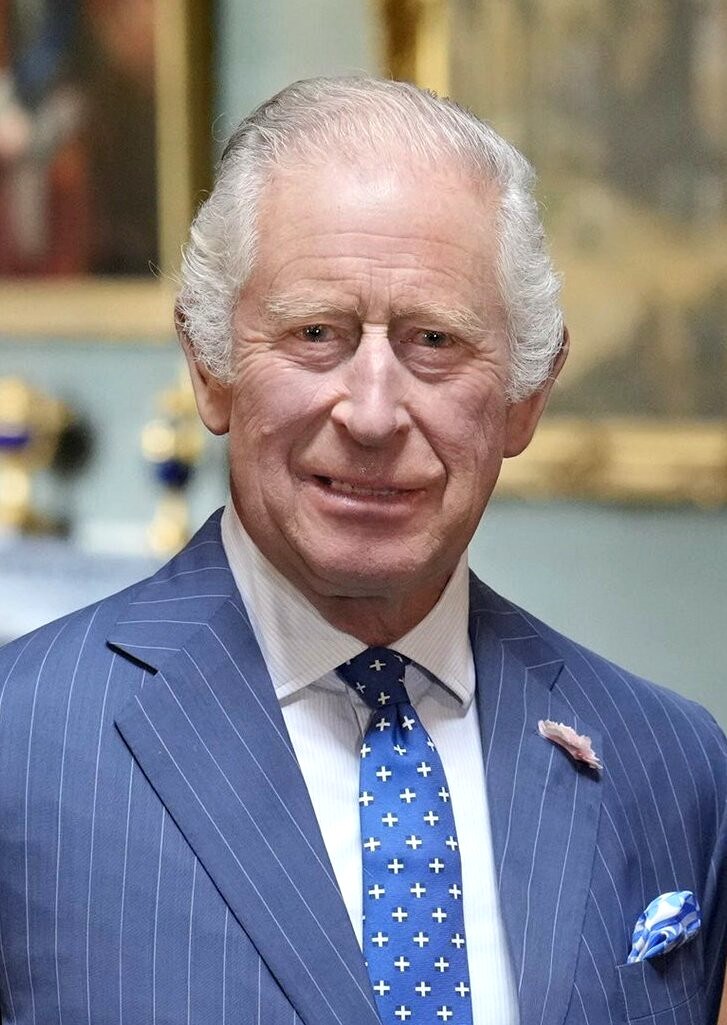
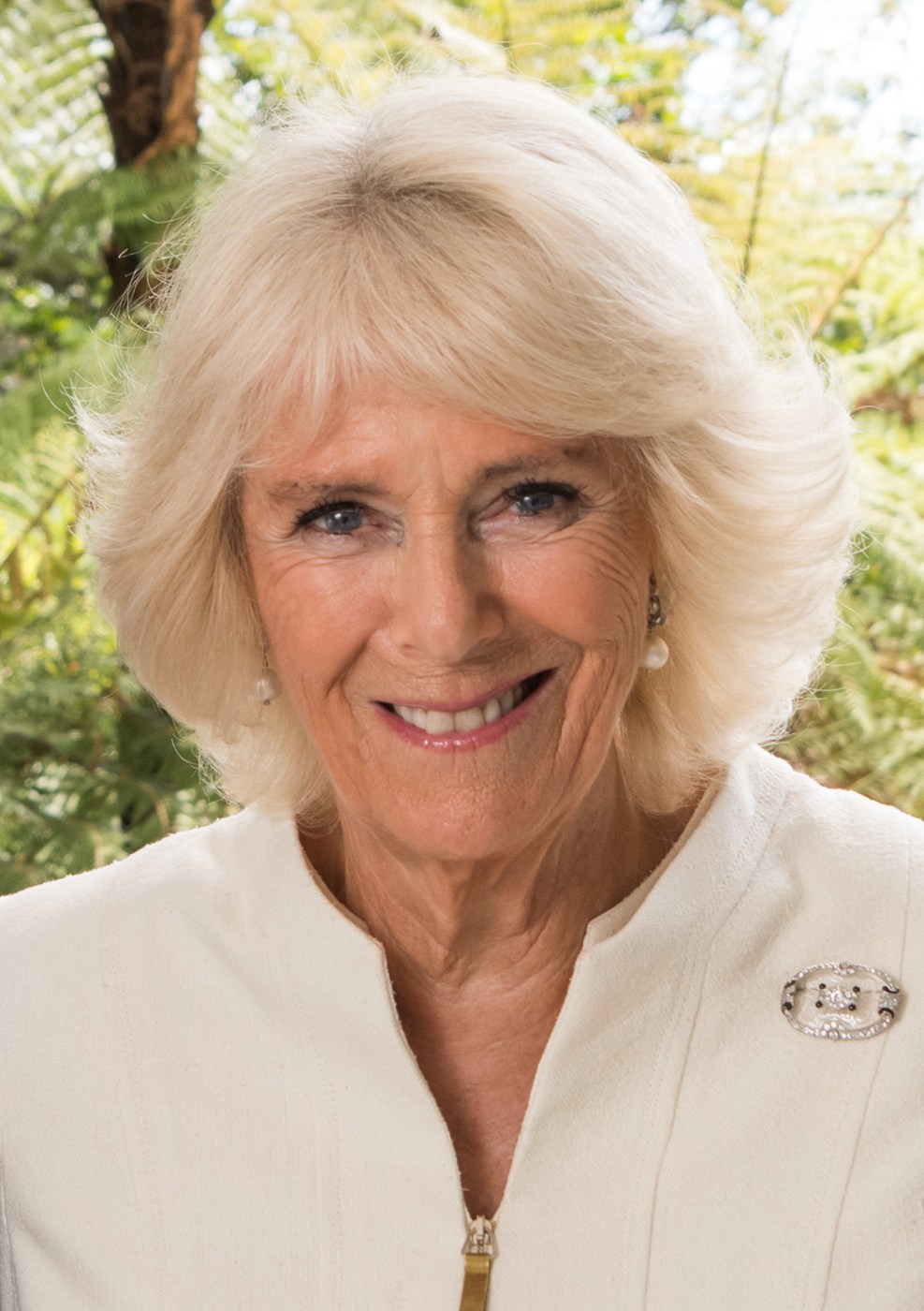
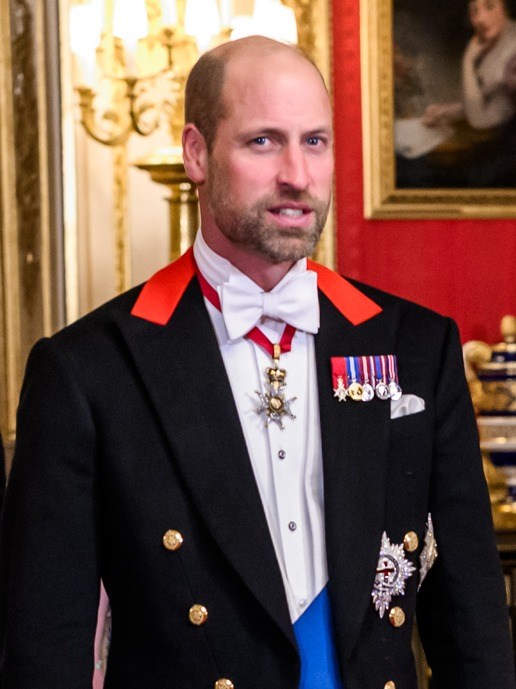
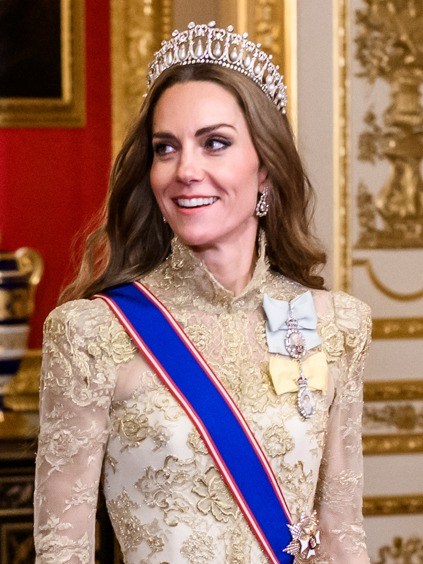
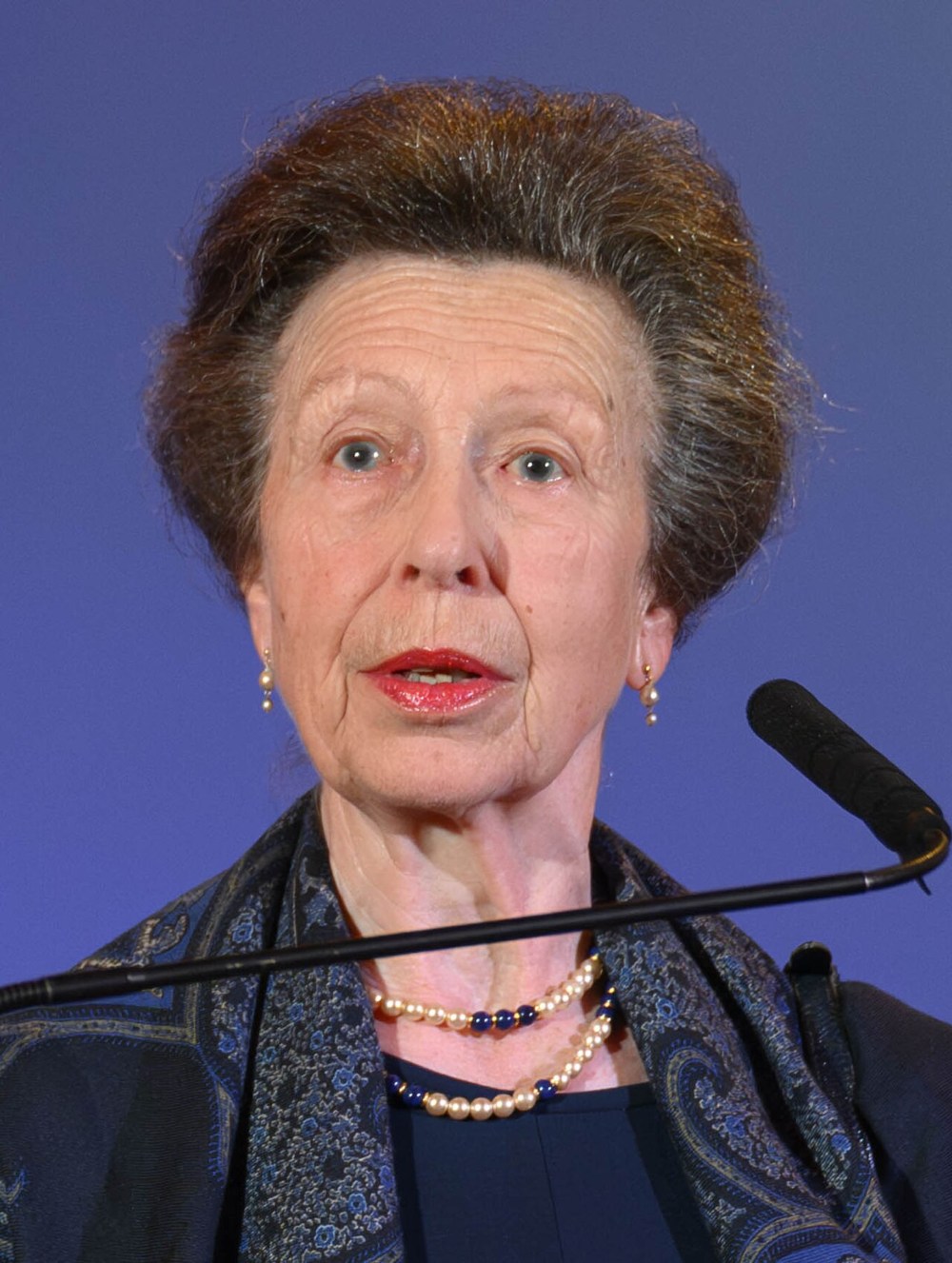
Charles III is the sovereign and William, his elder son, is heir apparent. Camilla is the king’s consort; Catherine is William’s wife. Anne, Princess Royal, is Charles’s sister. These connections are shown in a selected relationship diagram. William’s children George, Charlotte and Louis follow him in the immediate succession, but this diagram is limited to the individual profiles currently published here.
The monarchy and representative government
The sovereign undertakes constitutional, ceremonial and representative duties, while elected governments exercise political responsibility under their respective constitutional arrangements. The king is also sovereign of other Commonwealth realms, which should not be confused with every member of the Commonwealth. A royal-family directory can explain personal relationships, but each realm’s constitutional institutions require their own account.
Historical timeline
George V adopts Windsor as the royal house’s name.
George VI succeeds following Edward VIII’s abdication.
Elizabeth II accedes.
Charles III succeeds Elizabeth II; William becomes Prince of Wales.
Charles and Camilla are crowned at Westminster Abbey.
- Royal Family — the House of Windsor
- Royal Family — house name and surname
- Royal Family — the king
- Royal Family — succession
- Royal Family — Princess Royal
Reviewed 2026-10-31. Selected public history and family relationships; not an exhaustive genealogy.