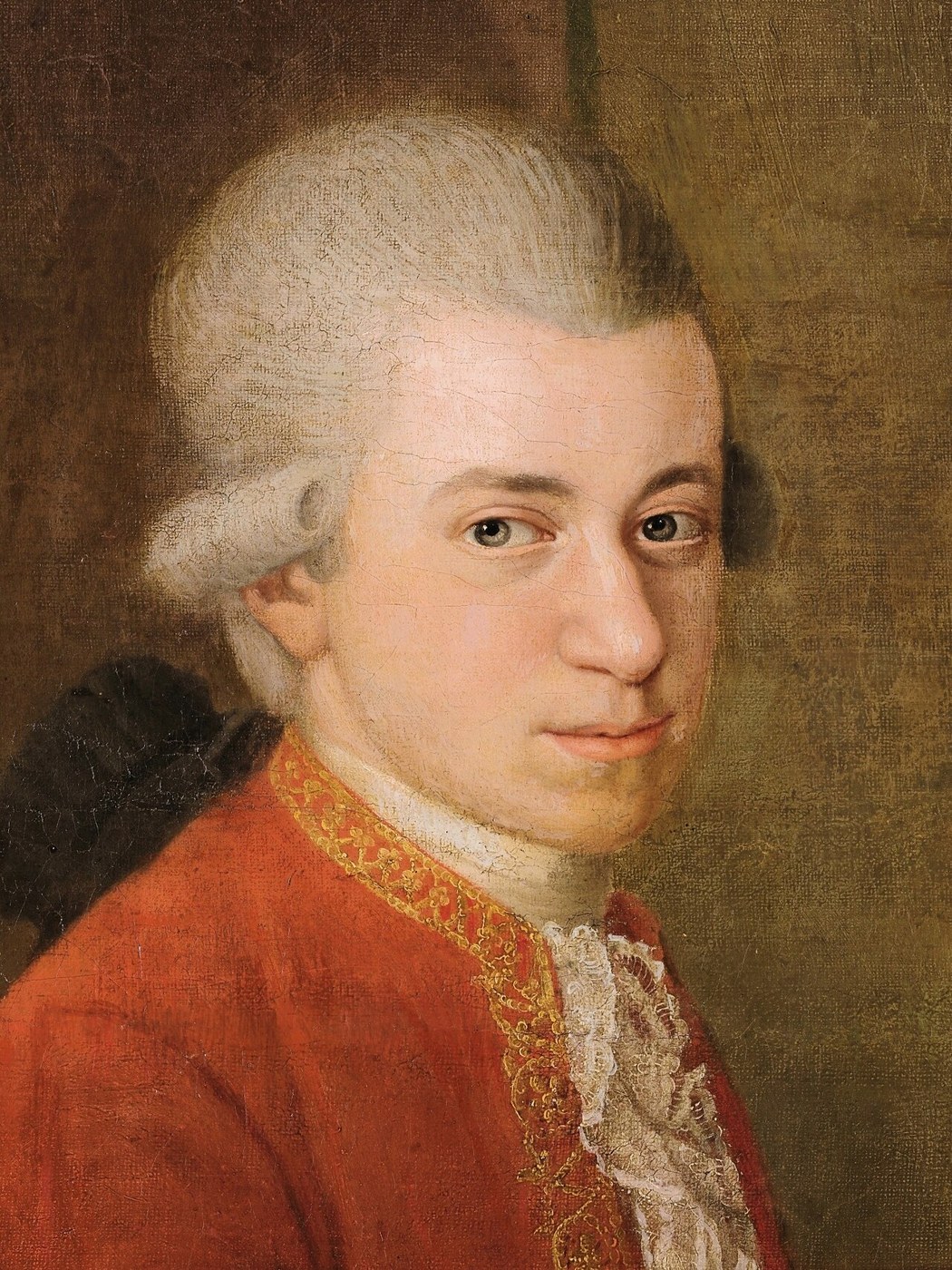
Contents — explore this biography
Salzburg and a childhood on tourFrom court employment to ViennaOpera as a theatre of human relationshipsConcertos, symphonies and chamber musicThe final year and a continuing repertoireSalzburg and a childhood on tour
Mozart was born in Salzburg in 1756 into a musical household led by his father, Leopold. He and his sister Maria Anna performed during extensive European tours. These journeys exposed him to different musical centres and patrons, while his early compositions developed alongside the practical experience of performing before audiences from childhood.
From court employment to Vienna
Work for the Salzburg court provided training and employment but also imposed obligations. Mozart moved to Vienna in 1781 and built a career through performance, teaching, publication and commissions. This transition is important to understanding his professional life: musical independence required negotiation with publishers, aristocratic patrons, theatre managers and a paying concert public rather than freedom from all external demands.
Opera as a theatre of human relationships
The Marriage of Figaro, Don Giovanni and Così fan tutte arose from collaboration with librettist Lorenzo Da Ponte. Their theatrical power depends on the interaction of words, orchestration and different characters’ voices. Social rank, desire, deception and uncertainty are made audible through ensembles, where several perspectives can unfold together rather than being resolved by a single narrator.
Concertos, symphonies and chamber music
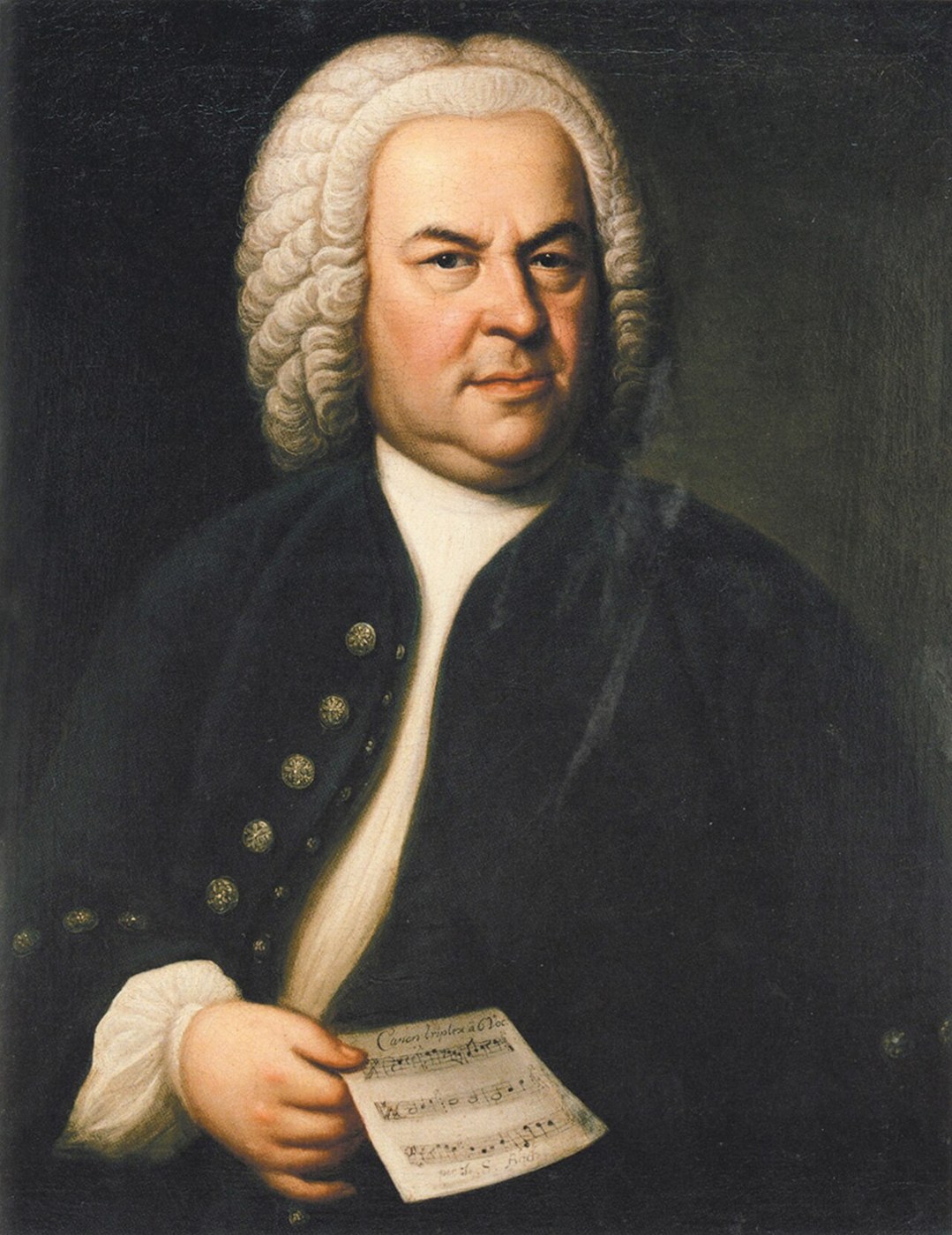
Mozart’s piano concertos allowed him to appear as soloist while composing relationships between keyboard and orchestra. His symphonies and chamber works likewise combine formal clarity with surprise, contrast and expressive detail. The influence of predecessors and contemporaries, including Johann Sebastian Bach’s music and Joseph Haydn’s example, belongs within this achievement rather than diminishing its originality.
The final year and a continuing repertoire
In 1791 Mozart completed The Magic Flute and other major works while leaving the Requiem unfinished at his death. Later completion and editorial decisions are part of that work’s history. He died in Vienna aged 35. His lasting significance rests on a remarkably varied repertoire whose dramatic and musical relationships continue to generate new interpretations in performance.
Career timeline
Born in Salzburg.
Began major childhood tours with his family.
Moved to Vienna.
The Marriage of Figaro premiered.
The Magic Flute premiered; Mozart died in Vienna.
Selected works & milestones
The Marriage of Figaro
Opera with a libretto by Lorenzo Da Ponte.
Don Giovanni
An opera joining comedy with darker dramatic consequences.
Symphony No. 41, Jupiter
His final symphony, renowned for its contrapuntal finale.
The Magic Flute
A German-language stage work combining popular theatre and symbolic drama.
Published 2026-11-02. Sources reviewed for this edition. Independent coverage of public professional activity.