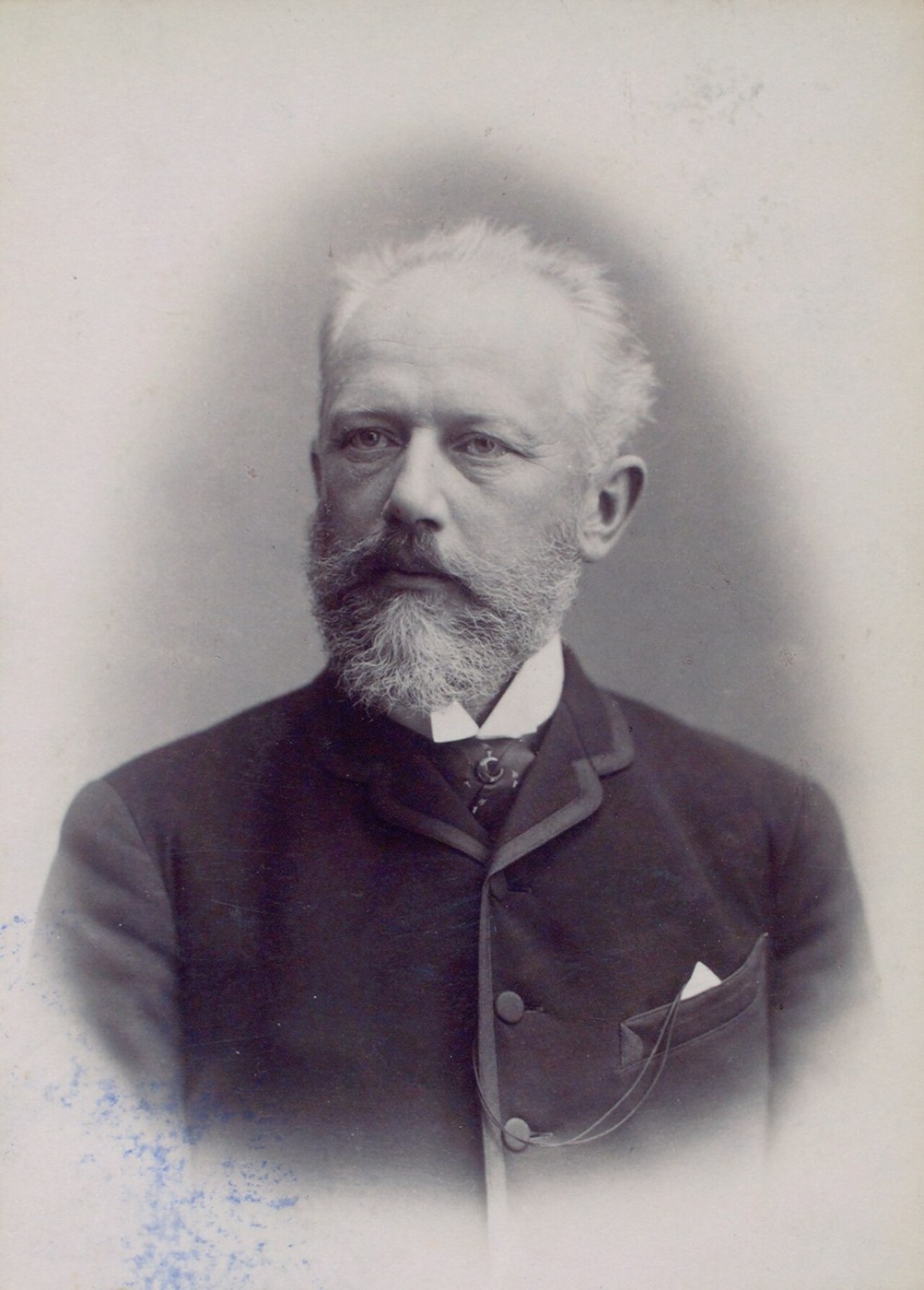
Contents — explore this biography
From legal training to professional musicMoscow and an expanding compositional careerSymphonic drama and the concertoBallet and opera as major musical formsInternational performance and the final symphonyFrom legal training to professional music
Tchaikovsky was born in Votkinsk in 1840 and initially trained for a civil-service career. Formal musical study at the Saint Petersburg Conservatory gave him a different professional direction. His education placed him within the developing conservatory system, where technical instruction and European compositional traditions interacted with debates about the character of Russian music.
Moscow and an expanding compositional career
After completing his studies, he taught at the Moscow Conservatory and developed work across orchestral, operatic and chamber genres. His position differed from that of composers who rejected conservatory methods. This tension should not be simplified into an opposition between Russian identity and foreign influence: Tchaikovsky drew on several traditions while developing a highly recognizable musical language.
Symphonic drama and the concerto
Works including the First Piano Concerto and the Fourth, Fifth and Sixth Symphonies combine memorable themes with large dramatic structures. Contrasts of orchestral colour, movement and expressive intensity became central to his style. Their emotional force does not authorize speculative diagnoses of the composer; musical interpretation and documented biography offer related but different kinds of evidence.
Ballet and opera as major musical forms
Swan Lake, The Sleeping Beauty and The Nutcracker supplied ballet with sustained musical architecture and a wide expressive range. Eugene Onegin and The Queen of Spades likewise demonstrate his interest in character and dramatic pacing. The later popularity of these scores should not obscure their differing first receptions or the role of choreographers, theatres and performers in their continuing histories.
International performance and the final symphony
Tchaikovsky conducted internationally and became a prominent representative of Russian music abroad. His Sixth Symphony, known as the Pathétique, premiered in 1893, shortly before his death. Dates in nineteenth-century Russian documents may use the Julian calendar, differing from Gregorian dates. His continuing legacy is carried through the distinct performance traditions of the concert hall, opera house and ballet stage.
Career timeline
Born in Votkinsk in the Russian Empire.
Completed studies at the Saint Petersburg Conservatory.
Began teaching at the Moscow Conservatory.
Swan Lake received its first performance.
The Sixth Symphony premiered shortly before his death.
Selected works & milestones
Piano Concerto No. 1
A major concerto linking virtuoso writing with orchestral drama.
Swan Lake
A ballet score whose performance history developed across later productions.
The Sleeping Beauty
A large-scale ballet created for the imperial theatre.
The Nutcracker
A ballet score that became a lasting international repertoire work.
Published 2026-11-02. Sources reviewed for this edition. Independent coverage of public professional activity.