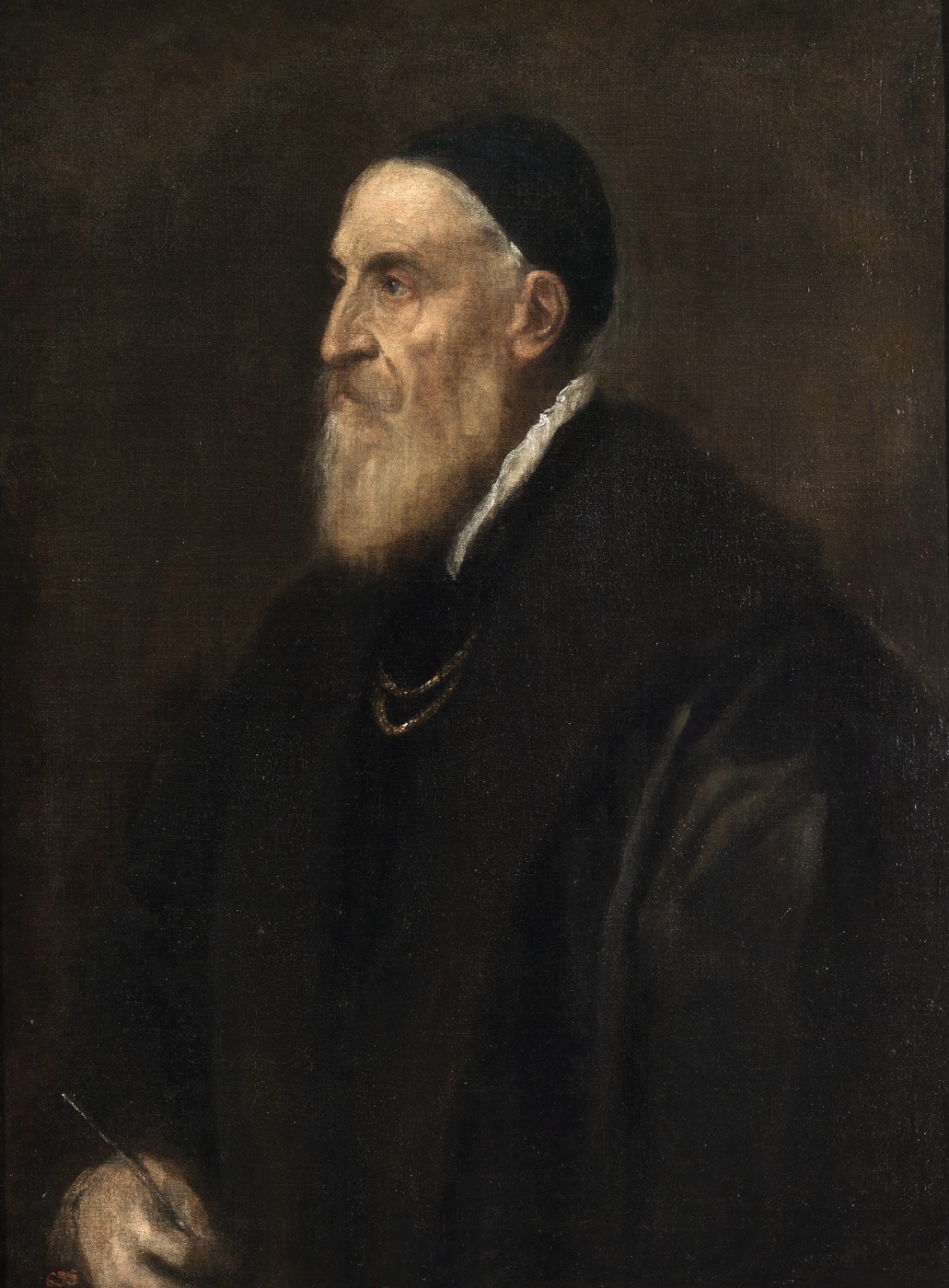
Contents — explore this biography
Cadore, Venice and an uncertain birth dateAltarpieces and public authorityPortraits within a European patronage networkMythology and the poetic imaginationLate painting and an extended legacyCadore, Venice and an uncertain birth date
Titian, born Tiziano Vecellio in Pieve di Cadore, entered the artistic world of Venice while still young. His precise birth date is not documented; modern accounts commonly place it around 1485–1490. Training associated with Giovanni Bellini and contact with Giorgione introduced him to a culture in which colour, atmosphere and landscape could shape an entire composition. His early development therefore belongs to a network of Venetian experimentation rather than to the isolated arrival of an already finished style.
Altarpieces and public authority
Following Giorgione’s death in 1510, Titian emerged as a leading independent painter in Venice. The Assumption of the Virgin, installed in the Frari church in 1518, organized a vast religious subject through rising movement and powerful colour relationships. Such commissions established his ability to address a congregation across an architectural space. His religious paintings could combine immediate emotional appeal with carefully calculated structure, demonstrating that the handling of paint and the organization of a public image were closely connected.
Portraits within a European patronage network
Titian worked for rulers and aristocratic patrons beyond Venice, including Charles V and Philip II. Portraiture required him to negotiate likeness, status and political expectations. Armour, fabrics, posture and setting could convey authority, while a face and gesture suggested an individual presence. His success depended on correspondence, workshop organization and the movement of pictures between courts. The paintings were therefore part of a material and diplomatic network, as well as independent achievements in the representation of people.
Mythology and the poetic imagination
Bacchus and Ariadne demonstrates Titian’s ability to turn a classical story into an encounter charged with movement and surprise. For Philip II he later created mythological paintings he called poesie, drawing particularly on Ovid. These works invite attention to desire, vulnerability, transformation and the unequal power of their protagonists. Their appeal does not rest solely on narrative recognition: the textures of flesh, landscape and fabric, and the relationships between areas of colour, make the act of looking a central part of their meaning.
Late painting and an extended legacy
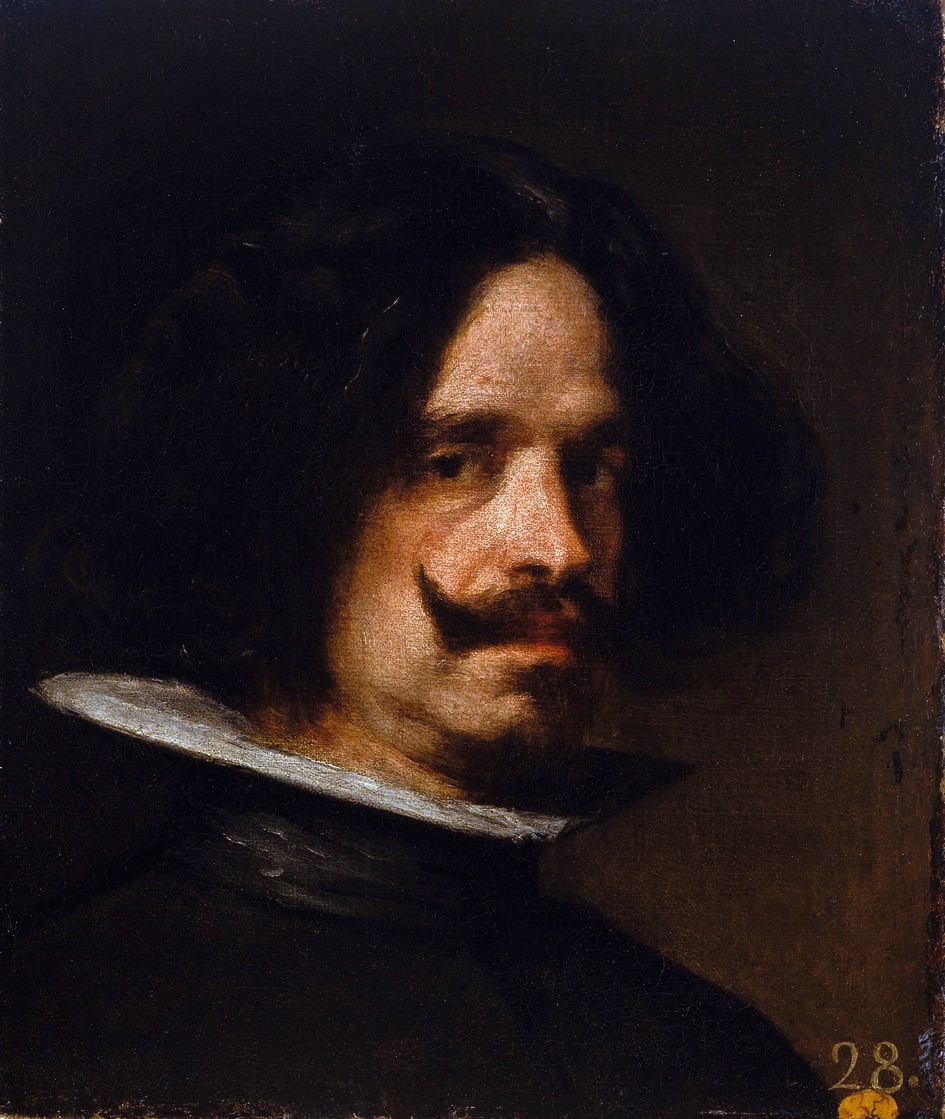
Titian’s later work often uses broken, layered brushwork that becomes coherent when viewed from an appropriate distance. The looseness is not simply a sign of declining precision; it offers a different way to construct light, surfaces and emotional intensity. He died in Venice in 1576, leaving a substantial workshop legacy and works in different states of completion. Painters including Velázquez and Rembrandt found possibilities in his approach, while later artists continued to study how colour itself could organize form and space.
Career timeline
Born in Pieve di Cadore; the exact year remains uncertain.
Giorgione’s death preceded Titian’s emergence as a leading independent Venetian painter.
The Assumption of the Virgin was installed in the Frari church.
Developed mythological poesie for Philip II.
Died in Venice.
Selected works & milestones
Assumption of the Virgin
A monumental altarpiece for the Frari church in Venice.
Bacchus and Ariadne
A dramatic mythological encounter painted for Alfonso d’Este.
Venus of Urbino
A reclining figure within a carefully constructed domestic setting.
Diana and Actaeon
One of the mythological poesie made for Philip II.
- National Gallery — Titian biography
- Metropolitan Museum of Art — Titian
- National Galleries of Scotland — Titian
Published 2026-11-05. Sources reviewed for this edition. Independent coverage of public professional activity.