Contents — explore this biography
Figueres and artistic formationEntry into SurrealismImages and interpretive methodFilm, design and public performanceLater work and the Figueres museumA complex historical figureFigueres and artistic formation
Salvador Dalí was born in Figueres in 1904 and trained in drawing before attending the San Fernando academy in Madrid. His early work explored a range of artistic approaches rather than beginning with a fixed Surrealist style. Friendships and exchanges with figures including Federico García Lorca and Luis Buñuel formed part of his education outside the classroom. Visits to Paris widened these contacts.
Entry into Surrealism
By the late 1920s Dalí had developed a highly personal imagery of displaced bodies, objects and empty landscapes. He collaborated with Buñuel on Un Chien Andalou in 1929 and joined the Surrealist group in Paris. The same year he met Gala, who became his partner and an important participant in his professional life. The movement supplied an international context, but his relationship with it was not permanently harmonious.
Images and interpretive method
The Persistence of Memory of 1931 turns a small landscape into a setting for softened watches and other unsettling forms. Dalí described a paranoiac-critical method concerned with multiplying possible readings and associations. In practice, detailed rendering makes impossible combinations appear visually persuasive. The effect depends on the tension between precise depiction and unstable meaning, rather than on abandoning technique in favour of a spontaneous dream transcription.
Film, design and public performance
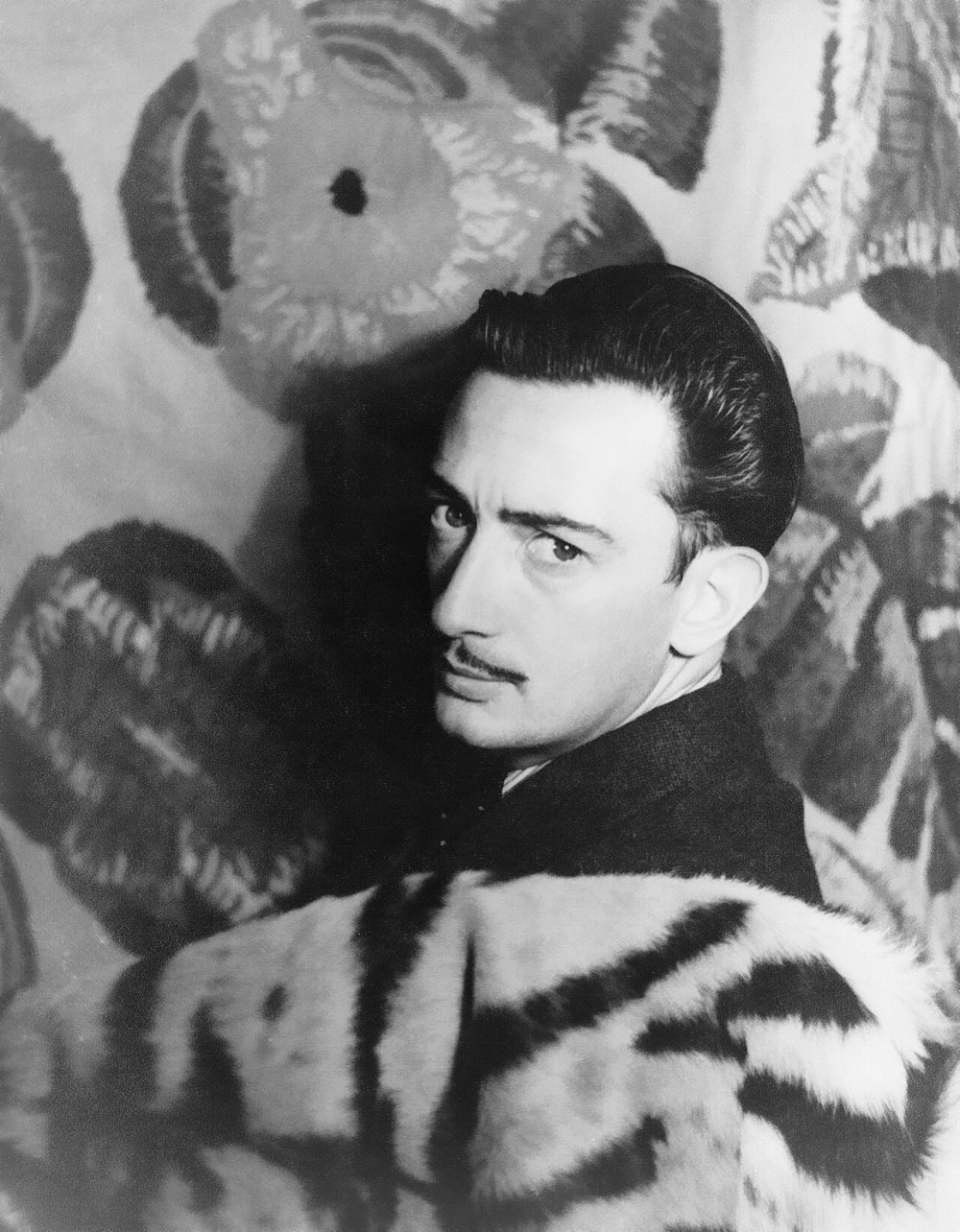
His activity extended into film, books, stage design, commercial work and objects. Collaborations brought Surrealist imagery into settings beyond the easel painting. The carefully cultivated moustache and theatrical appearances also shaped public reception. These performances helped create visibility, but they are not substitutes for studying the work. An account centred only on eccentricity misses the calculated way his images were built and circulated.
Later work and the Figueres museum
After the Second World War, religious, scientific and historical themes became increasingly prominent in his painting. The Dalí Theatre-Museum opened in Figueres in 1974, bringing the work into an environment conceived as a larger artistic experience. The site differs from a neutral arrangement of individual masterpieces: architecture, installation and the visitor’s movement contribute to the encounter with his legacy.
A complex historical figure
Dalí died in 1989. His political positions and self-presentation generated conflict as well as admiration, and biography should retain that complexity. The visual contribution lies partly in joining highly legible technique to ambiguous and disturbing associations. His completed career also shows how an artist can move across cultural and commercial fields while making the public image of the artist itself another constructed object.
Career timeline
Collaborates on Un Chien Andalou and joins the Surrealist group.
Paints the work featuring the celebrated soft watches.
Expands projects across painting, cinema and commercial design.
The Dalí Theatre-Museum opens in Figueres.
Dies in Figueres after a long multidisciplinary career.
Selected works & milestones
The Persistence of Memory
Paints the work featuring the celebrated soft watches.
International work
Expands projects across painting, cinema and commercial design.
Theatre-Museum
The Dalí Theatre-Museum opens in Figueres.
Death
Dies in Figueres after a long multidisciplinary career.
- Fundació Gala-Salvador Dalí — artistic development
- MoMA — Salvador Dalí and works
- Salvador Dalí — biographical reference and source notes
Published 2026-10-31. Sources reviewed for this edition. Independent coverage of public professional activity.