Contents — explore this biography
A mobile childhood and a late artistic decisionBrittany and the construction of symbolic imagesPainting, objects and encounters with other artistsPolynesia and the limits of the paradise storyAn influential and contested legacyA mobile childhood and a late artistic decision
Paul Gauguin was born in Paris in 1848 and spent part of his childhood in Peru. Later experience at sea preceded work in the Paris financial world, where he collected pictures and began painting. His relationship with Camille Pissarro brought him into Impressionist circles, and he exhibited with the group. After the financial crisis of 1882, he increasingly committed himself to art. This change involved economic insecurity and family disruption, rather than a simple progression from an amateur pastime to effortless professional success.
Brittany and the construction of symbolic images
In Brittany during the later 1880s, Gauguin developed a style that emphasized simplified forms, strong outlines and broad areas of colour. Working in dialogue with artists including Émile Bernard, he moved away from recording immediate appearances toward composing images from memory, observation and imagination. Vision of the Sermon combines Breton worshippers with an imagined biblical struggle in a compressed red setting. The painting makes its symbolic structure explicit, demonstrating that colour and spatial distortion could organize an experience that was spiritual or psychological rather than naturalistic.
Painting, objects and encounters with other artists
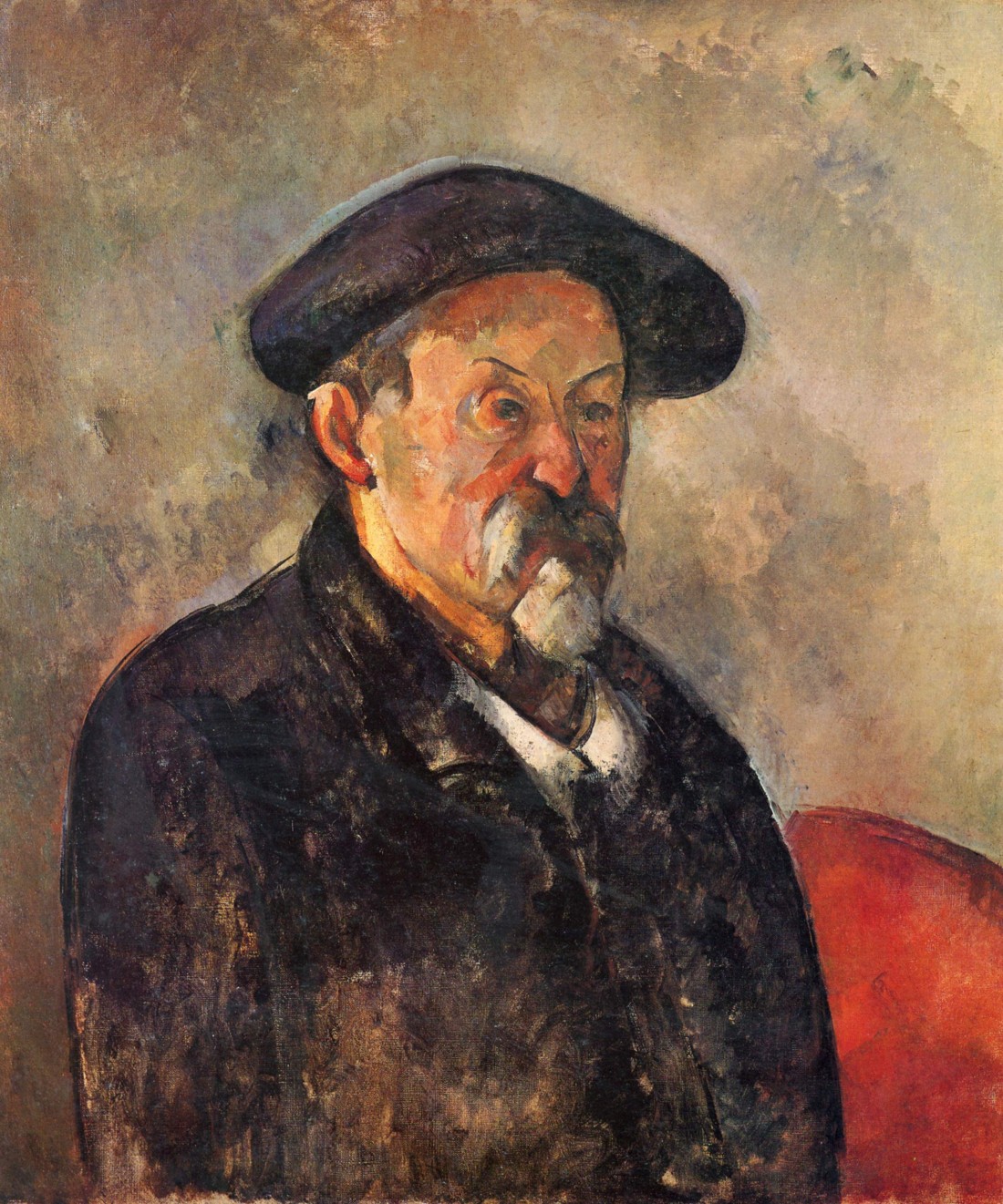
Gauguin’s artistic activity extended into ceramics, carved wood and printmaking. These materials supported his interest in surfaces that appeared handmade, forceful and resistant to polished academic convention. In 1888 he briefly worked with Vincent van Gogh in Arles, an intense encounter between two artists pursuing different approaches to expressive painting. Gauguin also studied Paul Cézanne’s work. His development emerged from such exchanges and from a European exhibition and market system, even as he cultivated the public image of an artist standing outside that world.
Polynesia and the limits of the paradise story
Gauguin first travelled to Tahiti in 1891 and returned there in 1895 before moving to the Marquesas Islands in 1901. His paintings combined observed people and places with invented, borrowed and rearranged religious imagery. They should not be treated as transparent records of Polynesian life. French colonial power shaped the circumstances of his travel and residence, while his self-presentation promoted a fantasy of untouched paradise. A serious account distinguishes the paintings’ formal invention from the unequal relationships and selective cultural representations within which they were made.
An influential and contested legacy
Gauguin died on Hiva Oa in 1903. His use of non-naturalistic colour, simplified shapes and evocative symbolism influenced artists associated with Fauvism and Expressionism. Where Do We Come From? What Are We? Where Are We Going? gathers many of these concerns into an ambitious allegorical composition. His legacy therefore requires two kinds of attention at once: close study of what the pictures changed within painting, and critical examination of the colonial assumptions through which he fashioned his identity and represented other people.
Career timeline
Born in Paris.
The financial crisis preceded his fuller commitment to painting.
Painted Vision of the Sermon and worked with Van Gogh in Arles.
Travelled to Tahiti for the first time.
Died on Hiva Oa in the Marquesas Islands.
Selected works & milestones
Vision of the Sermon
A symbolic composition joining worshippers and an imagined biblical scene.
The Yellow Christ
A religious image developed through flattened forms and intense colour.
Arearea
A Tahitian composition joining observed and invented motifs.
Where Do We Come From? What Are We? Where Are We Going?
A large allegory concerned with life and human existence.
- Metropolitan Museum — Gauguin essay
- Thyssen-Bornemisza — artist biography
- Museum of Fine Arts Boston — major allegory
Published 2026-11-05. Sources reviewed for this edition. Independent coverage of public professional activity.