Contents — explore this biography
Eunice Waymon and the ambition to study pianoA stage name and an unexpected vocal careerInterpreting a song as a dramatic eventCivil rights and the demands of public speechAn international life and a lasting repertoireEunice Waymon and the ambition to study piano
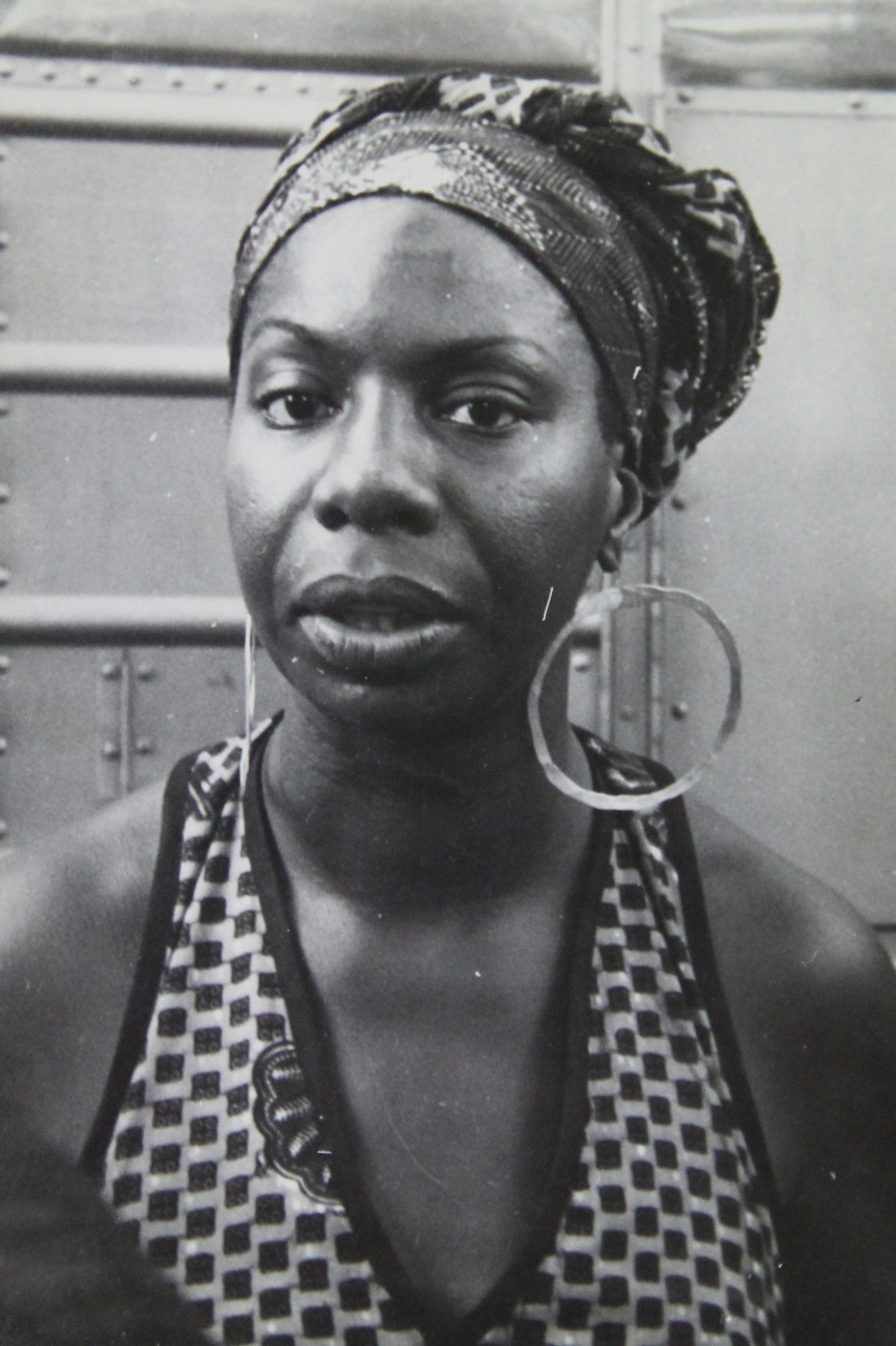
Born Eunice Kathleen Waymon in Tryon, North Carolina, Nina Simone began playing piano as a child. Church music and formal lessons shaped her early development, and she aspired to a career as a classical concert pianist. Support from people in her community helped her continue studying. The contrast between her musical ambition and the racial restrictions surrounding educational opportunity became an important part of how she later described her life.
A stage name and an unexpected vocal career
Performing in Atlantic City during the 1950s, she adopted the name Nina Simone and began singing as well as playing. What emerged was not a conventional transition from classical music into a single popular genre. Her arrangements drew on multiple traditions, with the piano often directing the dramatic pace. I Loves You, Porgy brought wider attention at the end of the decade, but the variety of her repertoire resisted a simple commercial category.
Interpreting a song as a dramatic event
Simone could turn an established song into a distinctive account of desire, anger, vulnerability or resolve. Changes of tempo, sustained silences and repeated figures gave her performances an unusually theatrical architecture. Classical keyboard techniques coexisted with gospel intensity and blues phrasing. The resulting authority came from the interaction of voice, instrument and timing. Her recordings invite attention to the choices within a performance rather than only to the identity of the song being performed.
Civil rights and the demands of public speech
During the 1960s Simone made racial injustice an explicit subject of her work. Mississippi Goddam, first released in 1964, responded to racist violence with direct political urgency. Four Women examined imposed images of Black womanhood, while To Be Young, Gifted and Black, written with Weldon Irvine, offered affirmation and collective pride. Her engagement belonged to a wider network of artists and activists, and brought artistic purpose alongside professional controversy and resistance from parts of the music industry.
An international life and a lasting repertoire
Simone spent significant periods outside the United States and eventually settled in France, where she died in 2003. Recordings, concert documents and later reinterpretations continued to bring her work to new audiences. Her legacy cannot be separated into musical technique on one side and political conviction on the other: both informed the demands she made on a listener. She demonstrated how a performer could question the conditions around a song as forcefully as she interpreted its melody.
Career timeline
Born Eunice Kathleen Waymon in Tryon, North Carolina.
Began performing in Atlantic City under the name Nina Simone.
I Loves You, Porgy brought wider commercial recognition.
Released Mississippi Goddam on Nina Simone in Concert.
Died in France after an international performing career.
Selected works & milestones
I Loves You, Porgy
A recording that introduced her interpretation to a broad audience.
Nina Simone in Concert
A live album containing Mississippi Goddam.
Four Women
A composition examining racialized stereotypes and Black women’s experience.
To Be Young, Gifted and Black
A song written with Weldon Irvine and associated with Black pride.
- Nina Simone — official biography
- Library of Congress — Mississippi Goddam
- Rock and Roll Hall of Fame — Nina Simone
Published 2026-11-05. Sources reviewed for this edition. Independent coverage of public professional activity.