Contents — explore this biography
From Saint Ann to KingstonThe Wailers and a changing Jamaican soundInternational recording and touringMusic, belief and political visibilityThe final albums and an international afterlifeFrom Saint Ann to Kingston
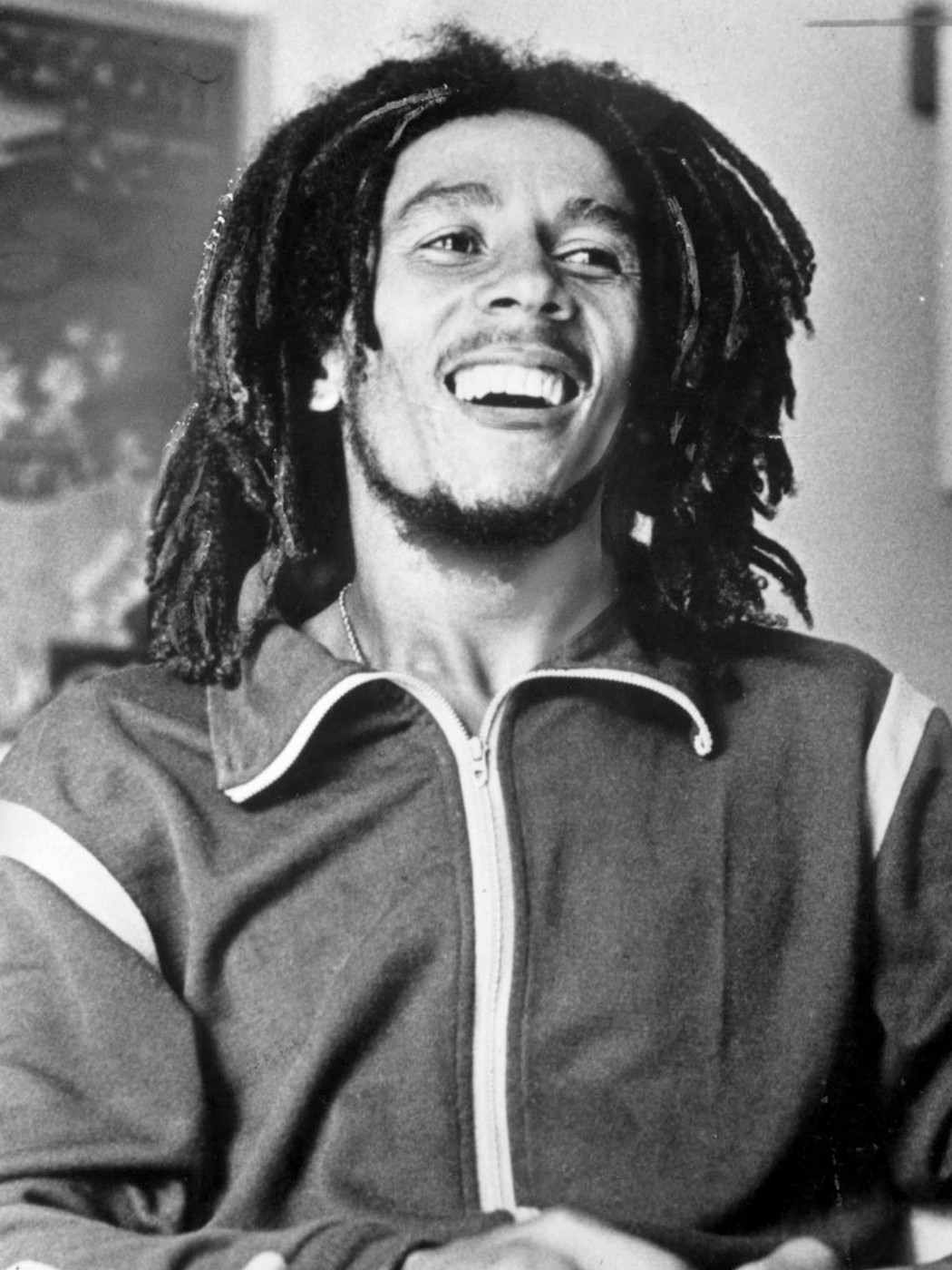
Robert Nesta Marley was born in rural Saint Ann Parish and later lived in Kingston. The move exposed him to the city’s concentrated musical networks, where singers, producers and sound systems competed for attention. His first recordings appeared in the early 1960s. Jamaica’s developing recording industry provided opportunities for young performers, but artistic recognition and reliable income were far from the same thing. Marley’s formation belonged to this collective scene rather than an isolated rise to fame.
The Wailers and a changing Jamaican sound
Working with Peter Tosh and Bunny Wailer, Marley became part of the vocal group known as the Wailers. Their music developed through the transitions from ska to rocksteady and reggae. Studio work with producers including Coxsone Dodd and Lee Perry helped shape their sound. The songs combined harmony singing with increasingly distinctive rhythms, while experiences of urban poverty and the language of Rastafari became more prominent in Marley’s writing and public identity.
International recording and touring
The relationship with Island Records broadened the Wailers’ access to overseas listeners. Catch a Fire and Burnin’, both released in 1973, placed Jamaican music within an international album market. Following changes in the original group, Marley continued with a reconfigured band and the I Threes vocal ensemble. Touring was crucial: performances translated recorded arrangements into a powerful shared experience and connected audiences who approached reggae through different musical and political traditions.
Music, belief and political visibility
Marley’s songs addressed survival, inequality, faith and liberation without reducing his catalogue to a single subject. Jamaica’s partisan violence formed a difficult backdrop to his growing visibility. After surviving a shooting in 1976, he performed at the Smile Jamaica concert and subsequently spent time in Britain. At the 1978 One Love Peace Concert, he brought political opponents Michael Manley and Edward Seaga together onstage. The gesture was memorable, although symbolic reconciliation did not resolve the country’s conflicts.
The final albums and an international afterlife
Exodus appeared in 1977, followed by further albums including Kaya, Survival and Uprising. These recordings moved between intimate expression, spiritual commitment and political argument. Marley died in 1981 at the age of thirty-six. The later compilation Legend introduced many additional listeners to his work, but the original albums preserve a broader view of his artistic concerns. His legacy connects popular songwriting with Jamaican history and a global vocabulary of resistance, belonging and collective hope.
Career timeline
Born in Nine Mile in Jamaica’s Saint Ann Parish.
The Wailers released Catch a Fire and Burnin’ through Island Records.
Released Exodus during his period based in Britain.
Appeared at the One Love Peace Concert in Kingston.
Died in Miami at the age of thirty-six.
Selected works & milestones
Catch a Fire
A key album in the Wailers’ international breakthrough.
Exodus
An album combining spiritual, political and personal themes.
Survival
A record with a strong focus on African liberation and solidarity.
Uprising
His final studio album released during his lifetime.
- Bob Marley — official history
- National Library of Jamaica — Robert Nesta Marley
- American Masters — career timeline
- Rock and Roll Hall of Fame — Bob Marley
Published 2026-11-05. Sources reviewed for this edition. Independent coverage of public professional activity.