Contents — explore this biography
New York and a film educationThe emergence of a personal cinemaCollaborations and changing formsDocumentary, music and historical inquiryPreservation as part of authorshipNew York and a film education
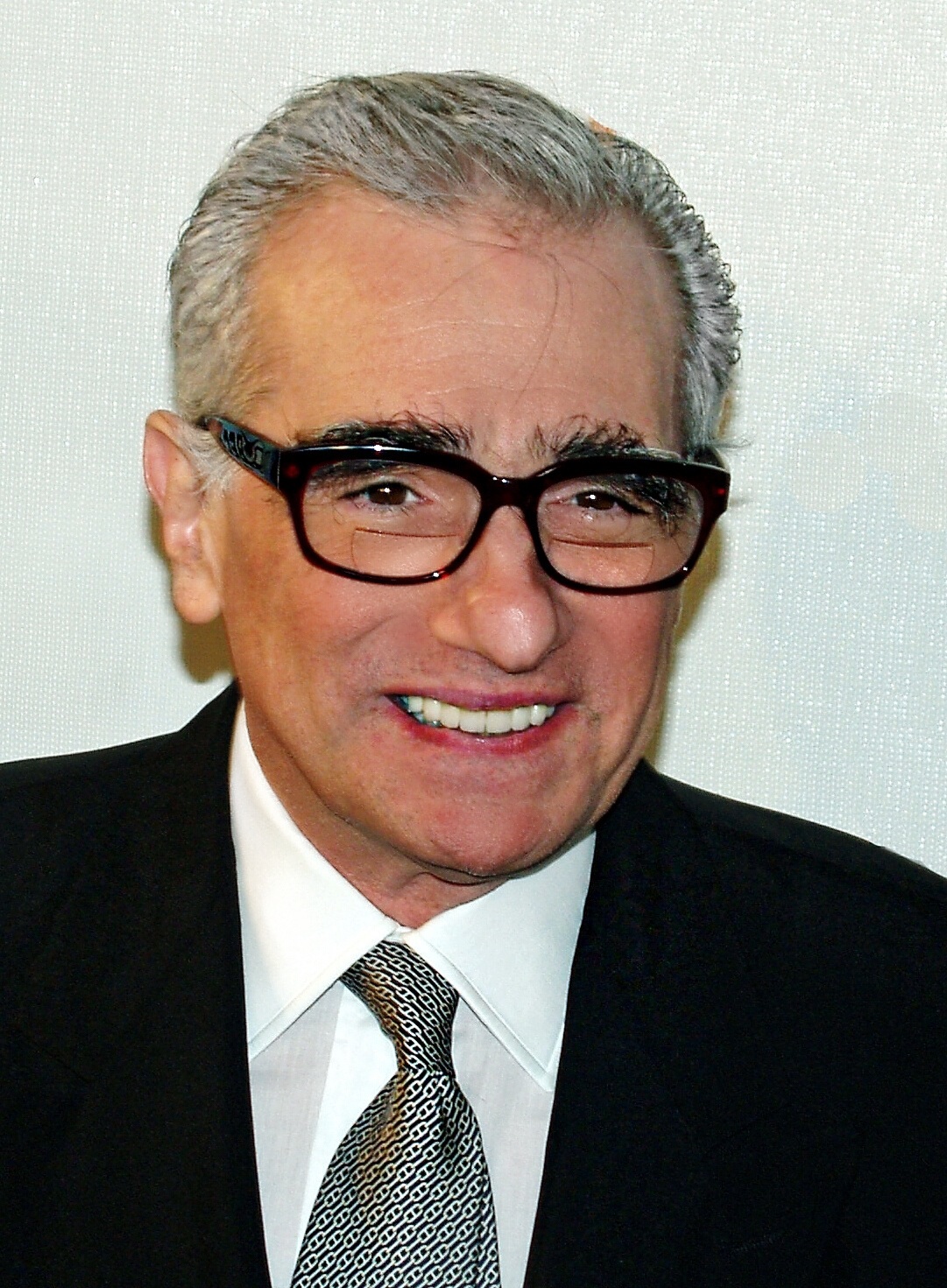
Martin Scorsese was born in New York City in 1942 and grew up in an Italian American environment that would become an important source of his filmmaking. Childhood asthma limited some activities, while visits to cinemas and repeated television screenings offered a different kind of freedom. At New York University he developed his craft and began relationships with collaborators including Harvey Keitel and editor Thelma Schoonmaker. His first feature, Who’s That Knocking at My Door, emerged from this period. The connection between lived surroundings and an intensive education in film history became fundamental to his work.
The emergence of a personal cinema
Mean Streets in 1973 brought questions of loyalty, guilt and neighborhood hierarchy into an energetic visual form. Taxi Driver, which won the Palme d’Or at Cannes in 1976, explored urban alienation through an intensely subjective perspective. Raging Bull developed a different psychological portrait, using the career of boxer Jake LaMotta to examine jealousy and self-destruction. These films established Scorsese’s reputation, but their force does not come from violence alone. Editing, music, camera movement and performance place viewers within unstable systems of desire and moral judgment, often making identification uncomfortable rather than reassuring.
Collaborations and changing forms
Scorsese’s long collaborations with Robert De Niro and, later, Leonardo DiCaprio connect different stages of his career. Goodfellas and Casino examine criminal organizations through social behavior, rituals and the attraction of status. The Age of Innocence finds equally powerful codes of belonging within a very different setting. The Departed brought him the Academy Award for directing at the 2007 ceremony. Such variation shows why reducing his career to gangster films is misleading: he has repeatedly investigated the ways groups reward conformity, punish disloyalty and regulate the lives of their members.
Documentary, music and historical inquiry
Alongside dramatic features, Scorsese has made documentaries about music, artists and cinema itself. The Last Waltz records the farewell concert of The Band, while No Direction Home examines Bob Dylan’s early career. His personal journeys through American and Italian cinema make the director an interpreter and guide as well as a practitioner. Later features including Hugo, Silence and Killers of the Flower Moon further demonstrate the breadth of his subjects. Across these forms, history becomes an active conversation between surviving images, present interpretation and the choices made by a storyteller.
Preservation as part of authorship
In 1990 Scorsese helped establish The Film Foundation, dedicated to the preservation and restoration of motion pictures. This work recognizes that cinema depends on material objects and institutional care: films can disappear, deteriorate or become inaccessible even when their makers were once celebrated. His advocacy connects contemporary audiences with works beyond the most familiar commercial canon. Scorsese’s legacy therefore includes both new films and the conditions that allow older ones to remain visible. His public teaching, restoration support and collaborations turn enthusiasm for film history into a sustained cultural practice.
Career timeline
Born in New York City.
Released his first feature, Who’s That Knocking at My Door.
Taxi Driver won the Palme d’Or.
Helped establish The Film Foundation.
Won the directing Oscar for The Departed.
Selected works & milestones
Mean Streets
An early feature grounded in neighborhood, loyalty and guilt.
Taxi Driver
A Palme d’Or-winning portrait of urban alienation.
Raging Bull
A psychological boxing drama starring Robert De Niro.
Goodfellas
A study of organized crime, status and betrayal.
- National Endowment for the Humanities — biography
- Praemium Imperiale — biography and chronology
- Library of Congress — career and preservation
- Festival de Cannes — filmography
Published 2026-11-05. Sources reviewed for this edition. Independent coverage of public professional activity.