Contents — explore this biography
Painting, apprenticeship and a first featurePostwar stories and an international breakthroughHumanist drama and the samurai ensembleAdaptation and the mechanics of visual storytellingLate epics and a durable international influencePainting, apprenticeship and a first feature
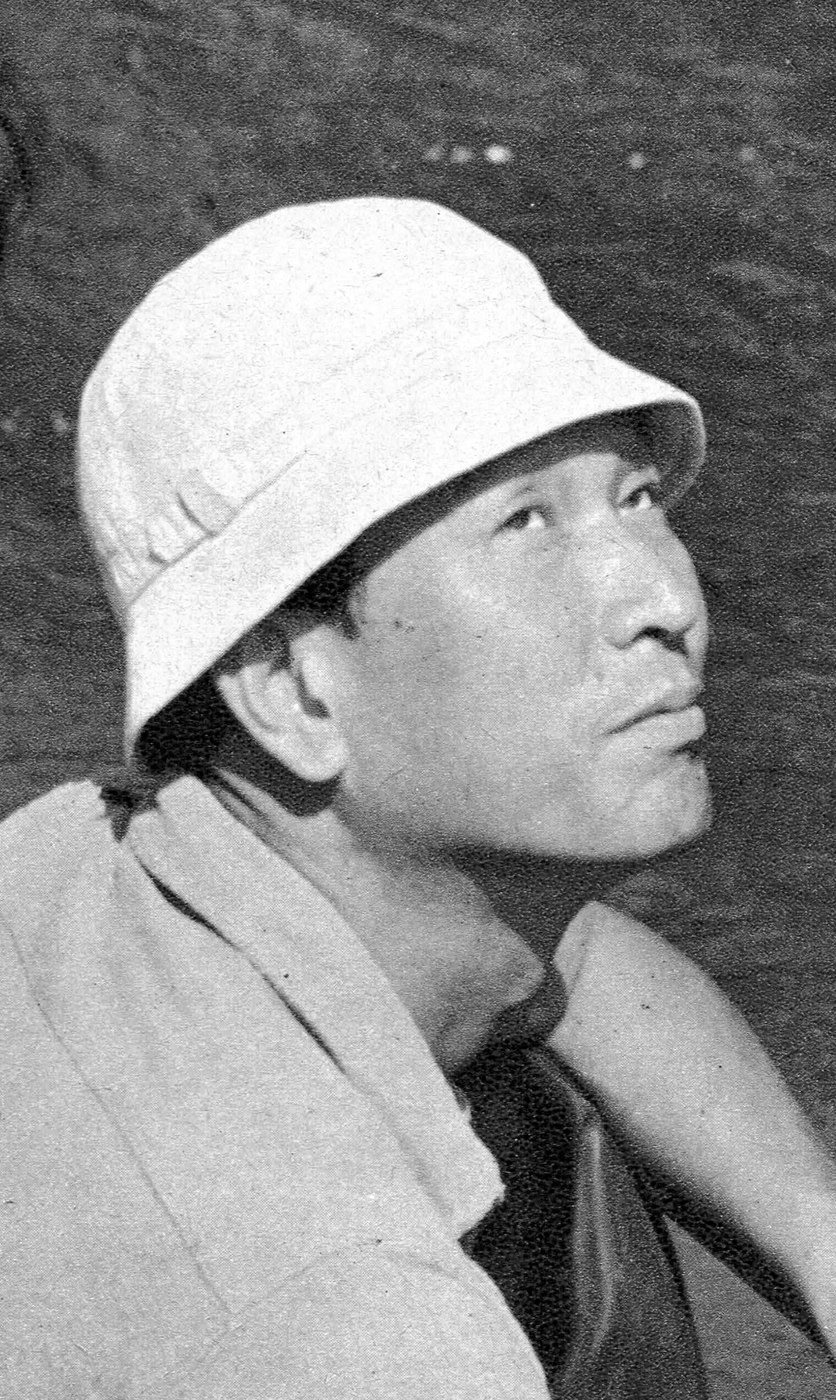
Born in Tokyo in 1910, Akira Kurosawa initially pursued painting before entering the Japanese film industry. Work as an assistant director, particularly with Kajirō Yamamoto, provided training across the practical stages of production. His first feature as director, Sanshiro Sugata, appeared in 1943. Visual composition remained important throughout his career, but his films also grew from extensive screenplay development, rehearsal and close attention to the relationship between performers and their surroundings.
Postwar stories and an international breakthrough
Kurosawa’s postwar films explored moral choices within damaged or unequal societies. Drunken Angel began his long association with actor Toshirō Mifune, while Stray Dog examined crime and responsibility in contemporary Tokyo. Rashomon, released in 1950, presented conflicting accounts of a violent encounter. Its success at the Venice Film Festival in 1951 helped bring Japanese cinema to wider international audiences, although Japan already possessed a substantial and diverse filmmaking tradition beyond any single director.
Humanist drama and the samurai ensemble
Ikiru followed a bureaucrat confronting mortality and searching for meaningful action. Seven Samurai organised a much larger story around villagers hiring warriors to defend their community. The latter film combined character development, social hierarchy and meticulously staged action, influencing later ensemble adventures and remakes. Kurosawa repeatedly worked with performers including Takashi Shimura and Mifune, whose contrasting presences helped give ethical questions a physical and emotional form rather than leaving them as abstract arguments.
Adaptation and the mechanics of visual storytelling
Throne of Blood relocated Macbeth to a Japanese historical setting, while High and Low drew a contemporary crime story into questions of class and moral obligation. Kurosawa’s filmmaking used weather, movement, editing and the placement of groups to make conflict visible. His interest in literature crossed national boundaries, but adaptation generally involved substantial transformation. The result was not simply an illustrated source text: story structure and visual form were reworked for specific cultural and cinematic circumstances.
Late epics and a durable international influence
Financing became more difficult in the later stages of Kurosawa’s career, and international partnerships helped make some later projects possible. Kagemusha and Ran demonstrated a renewed command of colour, scale and historical tragedy. Dreams offered a more episodic and personal structure, while Madadayo became his final feature. He died in 1998. His influence spans action filmmaking and intimate moral drama, with an enduring emphasis on how individual choices interact with institutions, violence and collective life.
Career timeline
Born in Tokyo.
Made his directing debut with Sanshiro Sugata.
Rashomon won the Golden Lion at Venice.
Released Seven Samurai.
Released the historical epic Ran.
Selected works & milestones
Rashomon
Contradictory testimony reshapes the account of a violent event.
Ikiru
A bureaucrat searches for meaningful action near the end of life.
Seven Samurai
Villagers and hired warriors organise a collective defence.
Ran
A colour epic exploring power, family conflict and destruction.
Published 2026-11-05. Sources reviewed for this edition. Independent coverage of public professional activity.