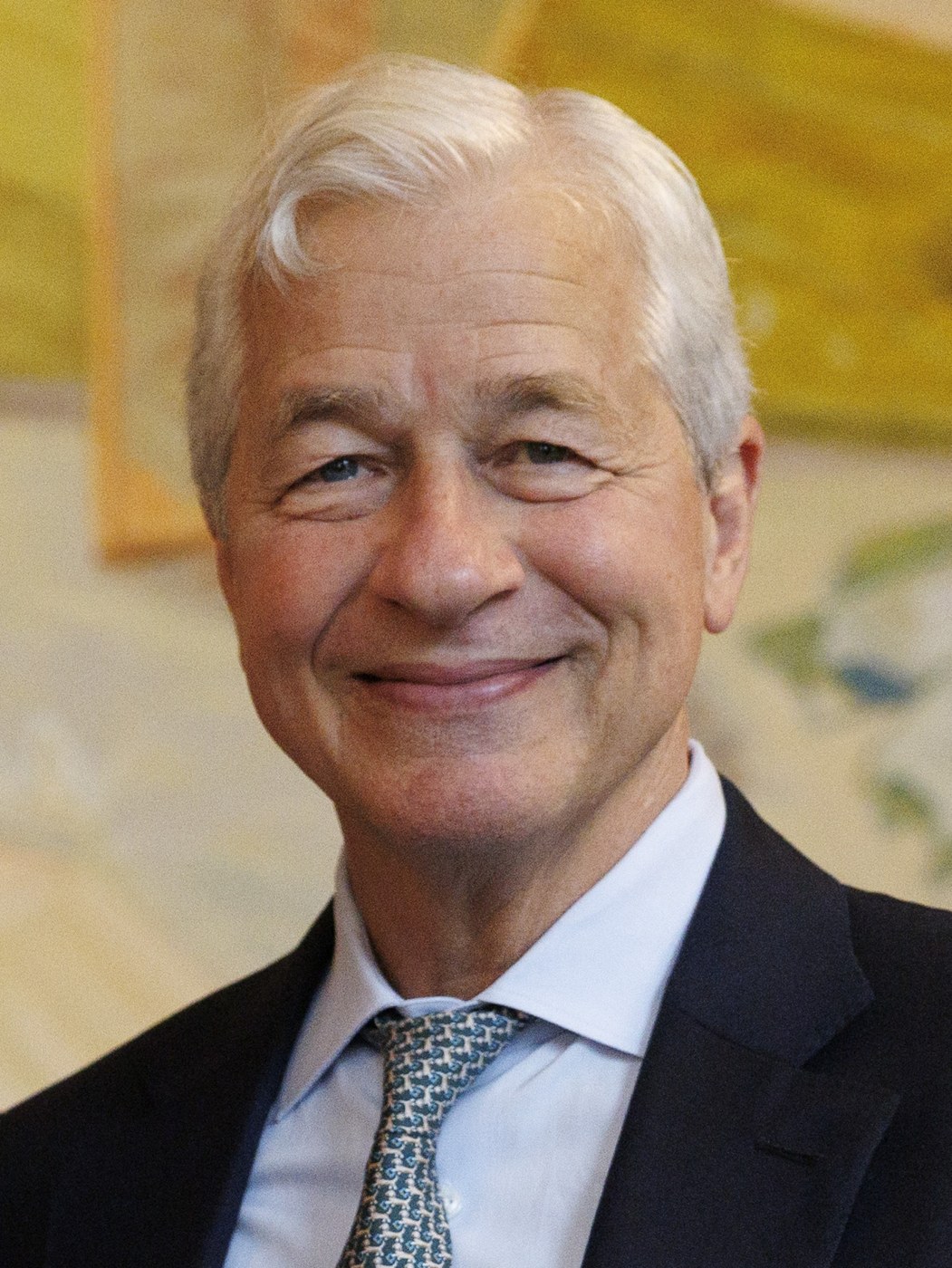
Contents — explore this biography
Education and an early career in financial servicesBuilding experience through complex combinationsBank One and the JPMorganChase transitionLeadership during periods of financial stressPublic communication and institutional responsibilityEducation and an early career in financial services
Jamie Dimon was born in New York City in 1956. He studied at Tufts University and Harvard Business School before beginning a career at American Express. His early experience developed within financial organizations that were expanding across products and markets. Working through successive businesses, he learned how accounting, technology, distribution and organizational structure interact. This background helps explain why his later public identity has been associated with operating a large institution rather than managing an investment portfolio under his own name.
Building experience through complex combinations
Dimon held senior roles at Commercial Credit, Travelers and Smith Barney as acquisitions assembled an increasingly broad financial-services group. He became president of Citigroup when Travelers and Citicorp combined in 1998, before leaving that organization. These years exposed him to the practical difficulties of bringing separate companies together: reconciling systems, establishing accountability and deciding which activities belonged within a shared structure. They also show that his eventual position at JPMorganChase followed professional setbacks and changes of direction, rather than a continuous rise within one firm.
Bank One and the JPMorganChase transition
In 2000 Dimon became chairman and chief executive of Bank One. The bank’s combination with JPMorgan Chase in 2004 brought him into the larger company as president and chief operating officer. He became chief executive in January 2006 and chairman the following year. His responsibilities consequently extended across retail banking, commercial lending, investment banking and asset management. Understanding this range is essential: the performance of such a company reflects many businesses and teams, not simply the decisions of its most visible executive.
Leadership during periods of financial stress
JPMorgan Chase acquired Bear Stearns and Washington Mutual’s banking operations during the turmoil of 2008. Those transactions expanded the institution while adding difficult integration and risk-management responsibilities. In 2023 it assumed all deposits and substantially all assets of First Republic Bank through an FDIC resolution transaction. These episodes place Dimon’s career within the relationship between private banks and public financial stability. They should not be treated as uncomplicated victories; crisis acquisitions involve regulatory decisions, losses, obligations and consequences extending well beyond the acquiring company.
Public communication and institutional responsibility
JPMorganChase’s leadership materials identify Dimon as chairman and chief executive at this edition’s review. His annual communications have made him a prominent participant in debates over banking, economic policy and corporate management. His significance lies in the scale and duration of his institutional leadership, together with the visibility of the decisions made during his tenure. A balanced assessment separates that leadership from the bank’s collective results and recognizes that resilience requires effective controls, supervision, capital and operational discipline, not confidence in a single individual.
Career timeline
Born in New York City.
Became chairman and CEO of Bank One.
Joined JPMorgan Chase leadership following the Bank One merger.
Became chief executive; added the chairmanship in 2007.
Led JPMorganChase during its acquisition of First Republic deposits and most assets.
Selected works & milestones
Bank One leadership
A major operating and organizational assignment.
JPMorgan Chase–Bank One combination
Transition to leadership of a larger financial institution.
Crisis-era acquisitions
Bear Stearns and Washington Mutual expanded the bank amid financial turmoil.
First Republic transaction
An FDIC-arranged purchase and assumption agreement.
- JPMorganChase — leadership biography
- JPMorganChase — institutional history
- FDIC — First Republic resolution
- JPMorganChase — 2009 shareholder letter
Published 2026-11-05. Sources reviewed for this edition. Independent coverage of public professional activity.