Contents — explore this biography
Theatre as a lasting foundationInternational attention and contrasting formsFaces, silence and unstable communicationAn ensemble across stage and screenWriting, late work and the archiveTheatre as a lasting foundation
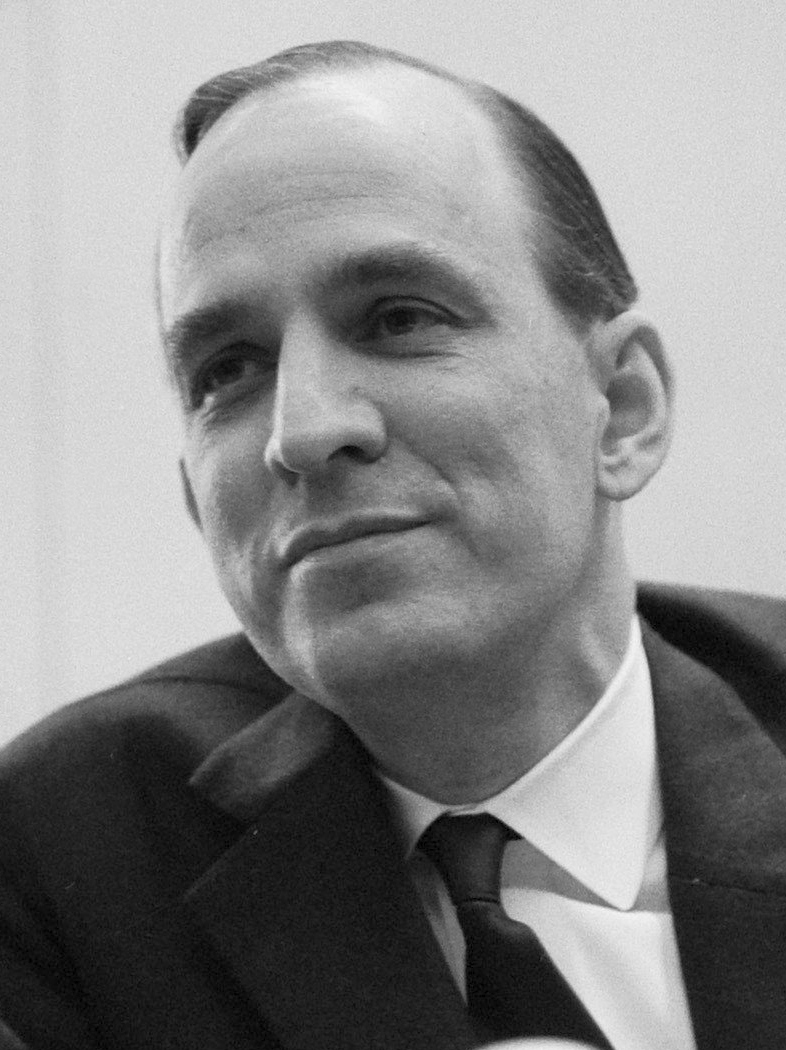
Ingmar Bergman was born in Uppsala in 1918 and built a career that moved continually between theatre, film, television and writing. The stage was not merely an early step toward a supposedly more important medium. Its practical demands, including rehearsal, dramatic timing and sustained collaboration with performers, remained central to his artistic life. Shakespeare, Molière, Ibsen and Strindberg formed part of the repertoire through which he explored human relationships. The range of this work helps explain why discussions limited to a few famous film images can give a misleadingly narrow account of his creative formation.
International attention and contrasting forms
Bergman’s international reputation grew during the 1950s through films that included Smiles of a Summer Night, The Seventh Seal and Wild Strawberries. The latter two were both released in 1957, yet organize their inquiries in very different ways. A medieval encounter with death provides one framework; an older man’s journey through memory provides another. Their images are memorable partly because abstract questions are placed inside physical situations and recognizable relationships. Comedy, tenderness and ordinary companionship remain important within that work, complicating the familiar description of Bergman as an artist concerned only with despair.
Faces, silence and unstable communication
Persona, released in 1966, concentrates on the relationship between an actress who has stopped speaking and the nurse assigned to care for her. Its restricted setting allows faces, gestures and the material form of film itself to become unusually prominent. The film leaves space for competing interpretations rather than explaining every disturbance through a single diagnosis or symbolic key. That openness belongs to a broader concern in Bergman’s work: people may speak intimately while failing to understand one another. The difficulty is dramatized through the relation between what is said, what is withheld and what another person imagines.
An ensemble across stage and screen
The continuity of Bergman’s work depended in part on recurring collaborators, including cinematographer Sven Nykvist and actors such as Liv Ullmann, Bibi Andersson and Max von Sydow. Their repeated presence allowed different characters and dramatic situations to be explored through an evolving artistic vocabulary. Fårö also became an important working environment from the period of Through a Glass Darkly onward. Films and television productions, including Scenes from a Marriage and Fanny and Alexander, expanded his examination of family life, performance and dependence. Institutional settings and domestic spaces could both become stages on which affection and power were difficult to separate.
Writing, late work and the archive
Bergman’s creative record includes autobiographical writing, among it The Magic Lantern, as well as later screen work such as Saraband. He died on Fårö in 2007. The Ingmar Bergman Foundation preserves and presents a record that includes film, theatre, manuscripts and working documents, making it possible to examine the connections among media. His legacy is therefore larger than a collection of existential themes. It also concerns the craft of directing performers, the organization of an ensemble and the ways an artist can return to difficult questions while changing their dramatic form across many decades.
Career timeline
Born in Uppsala.
The Seventh Seal and Wild Strawberries were released.
Persona was released.
Fanny and Alexander was released.
Died on Fårö.
Selected works & milestones
The Seventh Seal
A medieval drama that stages an encounter with death.
Wild Strawberries
A journey through memory, regret and human connection.
Persona
A film exploring identity, silence and the relationship between two women.
Fanny and Alexander
An ensemble work centred on family, theatre and childhood.
- Ingmar Bergman Foundation — life and timeline
- Ingmar Bergman Foundation — Persona
- Ingmar Bergman Foundation — Wild Strawberries
- Ingmar Bergman Foundation — film and television record
- Praemium Imperiale — Bergman’s career
Published 2026-11-07. Sources reviewed for this edition. Independent coverage of public professional activity.