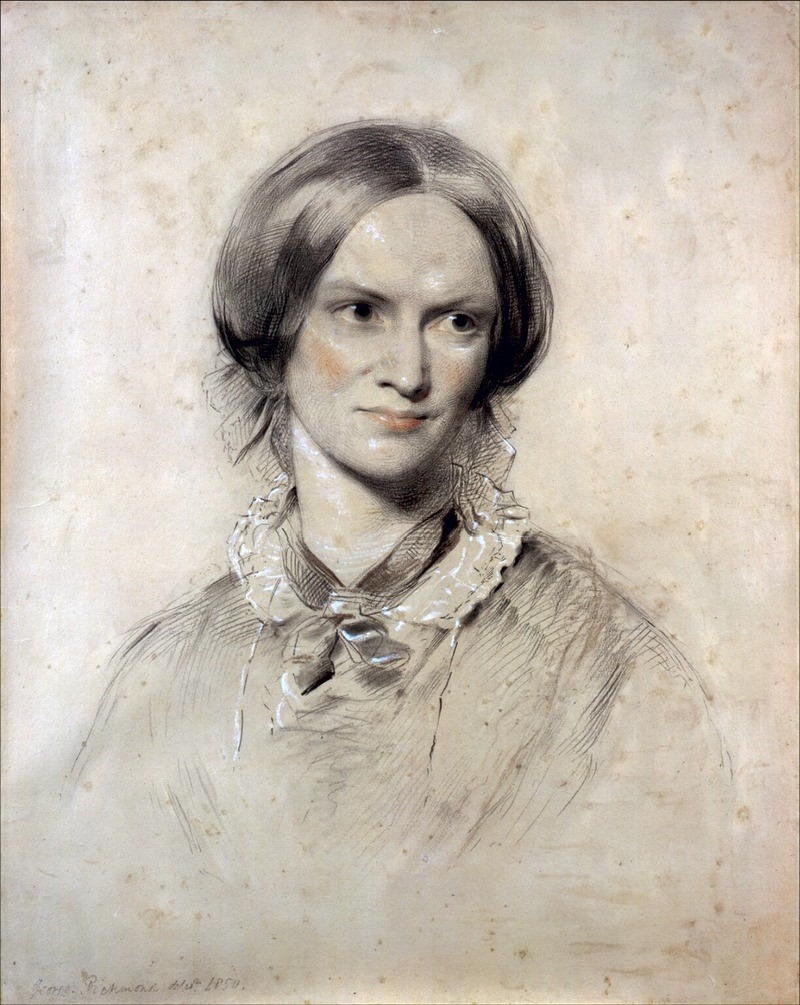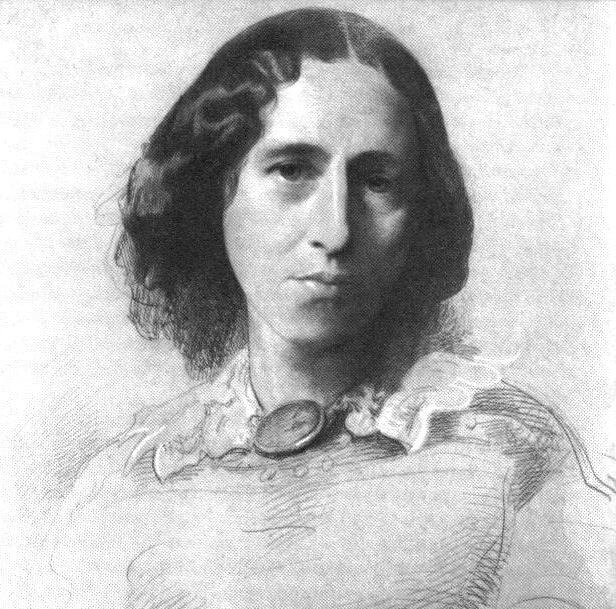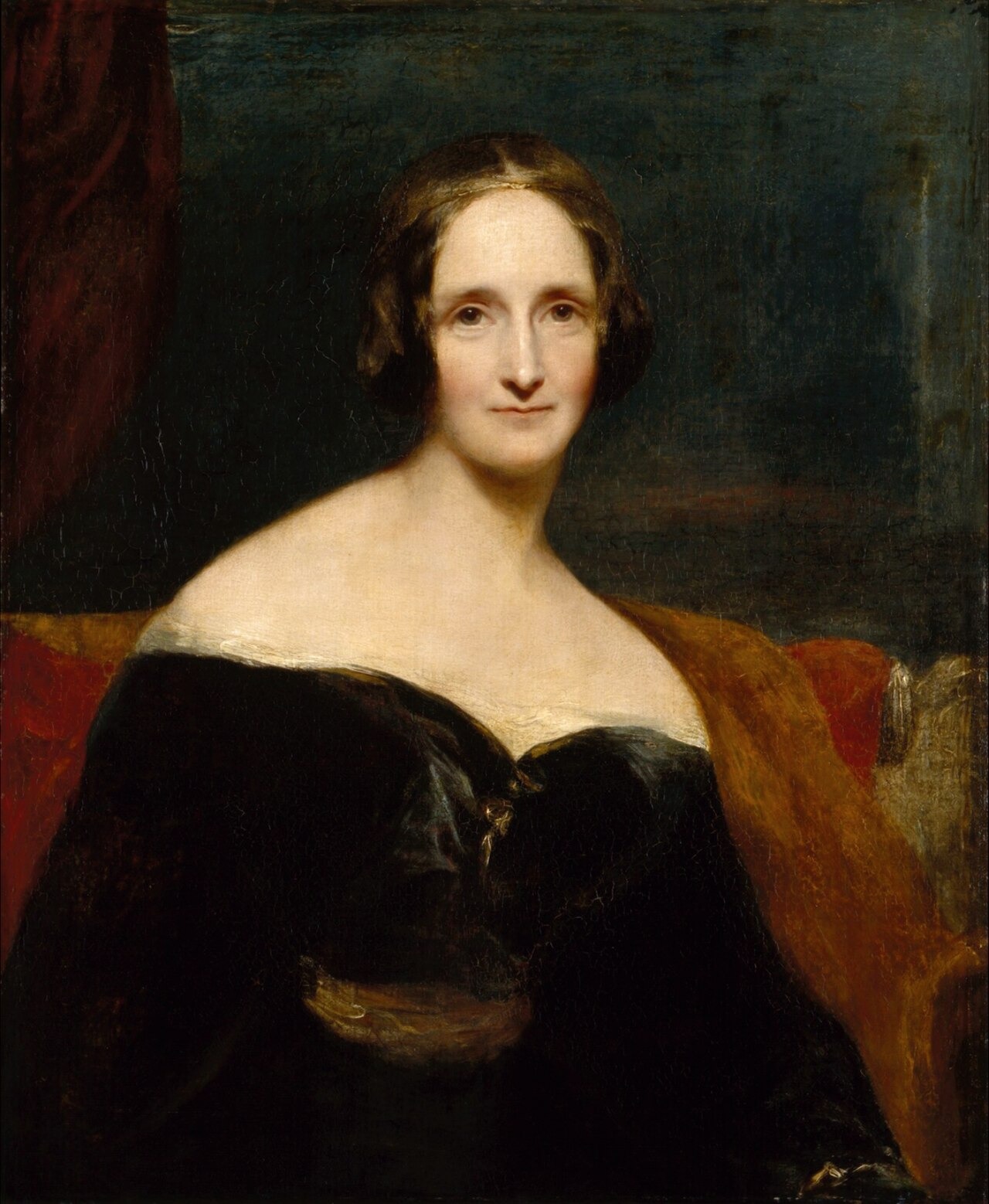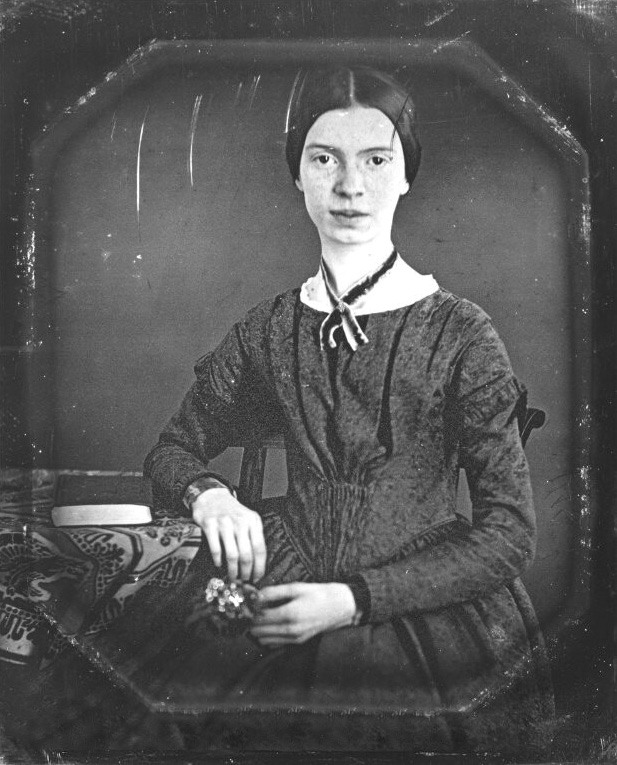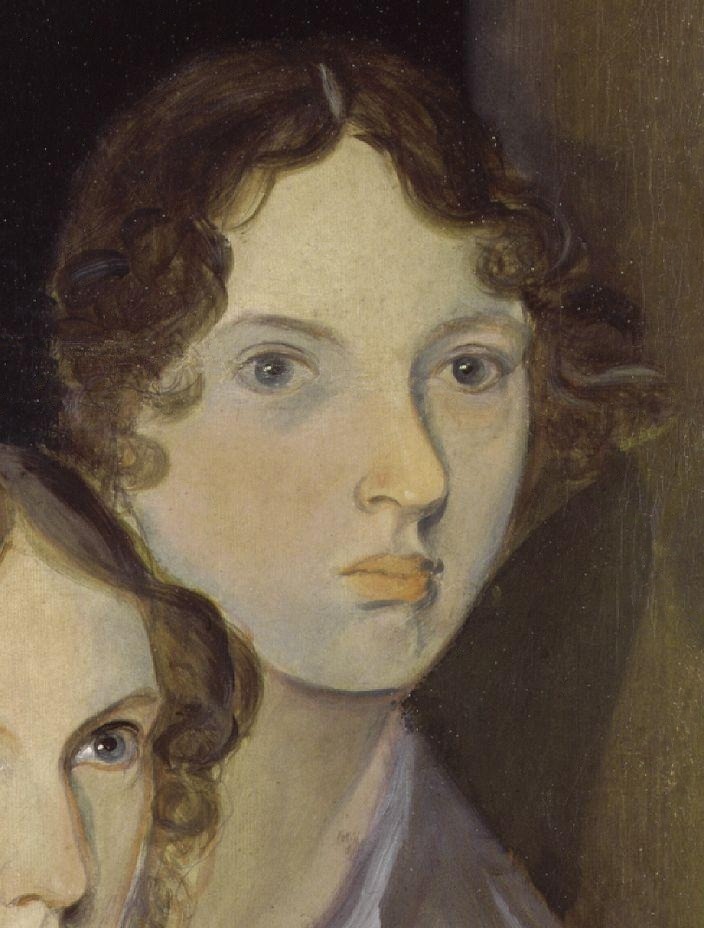
Contents — explore this biography
A literary childhood in HaworthEducation, work and the imagined world of GondalEllis Bell and the first published poemsWuthering Heights and contested narrativesDeath, posthumous editions and the biographical problemA literary childhood in Haworth
Emily Brontë was born in Thornton, Yorkshire, in 1818 and grew up in Haworth, where her father Patrick served as a clergyman. The family’s losses included the death of her mother and of her two eldest sisters. Yet the surviving children’s shared imaginative life was an equally important part of their development. Reading, miniature books and invented countries gave Charlotte, Branwell, Emily and Anne opportunities to practise writing outside formal instruction. Emily’s later work emerged from this sustained creative activity. Haworth was therefore both a particular household and a place from which imagined worlds could become unusually expansive.
Education, work and the imagined world of Gondal
Emily spent periods away from home for education and employment, including time in Brussels with Charlotte in 1842. Her movements should not obscure the importance of the writing she continued across these years. With Anne she developed Gondal, an imaginary setting whose conflicts and characters informed much of her poetry. The poems often present intense states of separation, defiance, memory and attachment without supplying a complete external narrative. Their imaginative speakers should not automatically be treated as direct autobiographical statements. Distinguishing the writer from her dramatic voices preserves the complexity of work that has often been read through a romanticized account of seclusion.
Ellis Bell and the first published poems
In 1846 the three sisters published Poems by Currer, Ellis, and Acton Bell, with Emily writing as Ellis Bell. The names allowed them to enter a literary market in which women’s work was frequently judged through assumptions about gender. The volume attracted few buyers, but publication made their private writing a public undertaking. Emily’s poems explore the relation between an inner source of conviction and external circumstances that threaten it. Their compressed voices and recurring landscapes do not simply describe scenery. They create conditions in which freedom, confinement and endurance can be imagined and tested through rhythm, image and address.
Wuthering Heights and contested narratives
Wuthering Heights appeared in 1847, Emily’s only published novel. The intertwined histories of the Earnshaw and Linton families unfold through narrators whose knowledge and loyalties require scrutiny. The structure prevents readers from receiving an unmediated account of Heathcliff or Catherine Earnshaw. Love, revenge, inheritance, cruelty and dependency pass across generations, while changes of ownership shape the possibilities of domestic life. Its disturbing relationships cannot be adequately summarized as a simple celebration of romantic devotion. The novel repeatedly makes affection and violence difficult to disentangle, asking readers to confront the damage that can accompany possessive claims upon another person.
Death, posthumous editions and the biographical problem
Emily died in Haworth in December 1848, aged thirty. Charlotte subsequently helped shape the reception of her sister’s work through a new edition and a biographical account. The scarcity of Emily’s surviving personal testimony has encouraged later stories that go beyond what the evidence securely establishes. Her reputation deserves an approach that acknowledges those limits while attending closely to the writing itself. Wuthering Heights and the poems have continued to generate readings across languages, performance and criticism. Their strength lies in their resistance to comfortable explanation, rather than in a single key derived from the author’s private life.
Career timeline
Born in Thornton, Yorkshire.
Studied in Brussels with Charlotte before returning to Haworth.
Published poems as Ellis Bell in the sisters’ joint volume.
Wuthering Heights was published.
Died in Haworth, aged thirty.
Selected works & milestones
Poems by Currer, Ellis, and Acton Bell
The sisters’ joint publication included Emily’s poems.
Wuthering Heights
Her only published novel.
Posthumous edition of Wuthering Heights and poems
Charlotte helped introduce Emily’s work to later readers.
The Complete Poems of Emily Jane Brontë
A later collected edition brought together her surviving poetry.
- Brontë Parsonage Museum — the lives of the Brontës
- Academy of American Poets — Emily Brontë
- Westminster Abbey — the Brontë sisters
- Poetry Foundation — Emily Brontë
Published 2026-11-07. Sources reviewed for this edition. Independent coverage of public professional activity.