Contents — explore this biography
Training and the observation of ordinary lifeIllustration, etching and a difficult professional beginningJosephine Nivison and the conditions of a careerArchitecture, light and the ambiguity of a sceneAn independent place in twentieth-century paintingTraining and the observation of ordinary life
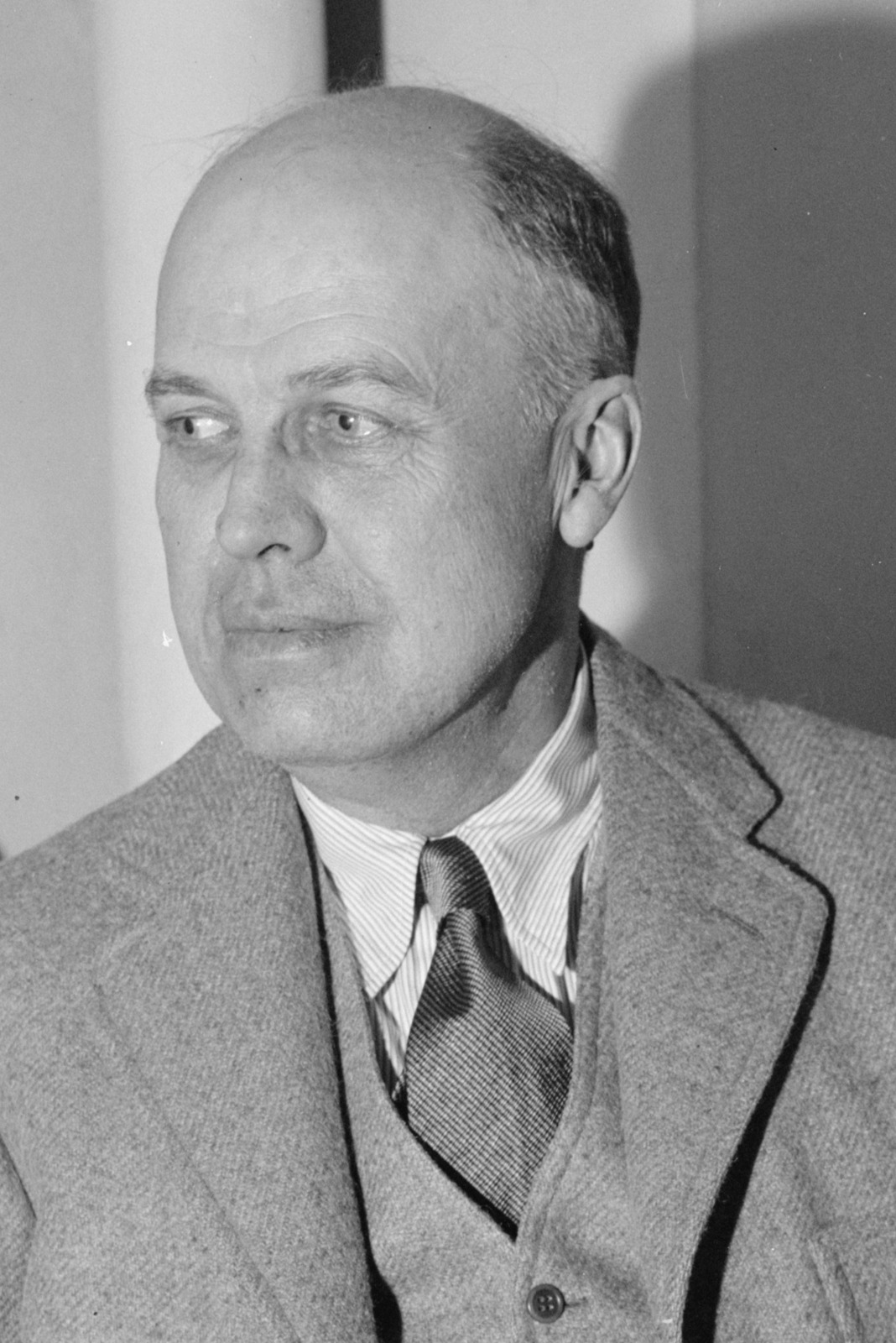
Edward Hopper was born in Nyack, New York, in 1882 and trained first for commercial illustration before studying at the New York School of Art. His teachers included William Merritt Chase and Robert Henri, whose attention to contemporary experience offered a durable point of reference. Hopper also travelled to Europe, looking closely at painters such as Manet and Degas. He did not simply adopt the newest Parisian movements. Instead, he gradually developed a personal approach to the spaces people inhabited, considering how a room, a street or a window could organize the experience of looking.
Illustration, etching and a difficult professional beginning
Recognition arrived slowly. Hopper earned money through illustration while seeking opportunities for his paintings, and his participation in the 1913 Armory Show did not immediately establish a secure career. Etching became an important area of achievement during the following decade. Its economy of line and contrasts of illumination allowed him to examine city streets and solitary figures with particular concentration. His 1920 exhibition at the Whitney Studio Club was a significant professional milestone, even though it did not produce immediate sales. These years reveal an artist building a visual language through sustained work across several media.
Josephine Nivison and the conditions of a career
In 1924 Hopper married Josephine Nivison, herself a trained artist. Her role in his career included encouragement, modelling and the maintenance of detailed records of his work. The couple lived in Greenwich Village and spent substantial periods in New England, later building a house in South Truro on Cape Cod. Their shared life formed part of the practical and emotional setting of his production. A careful account acknowledges Josephine as a working artist and important participant in that history, rather than treating her only as an anonymous figure in her husband’s paintings.
Architecture, light and the ambiguity of a scene
House by the Railroad, Early Sunday Morning and Nighthawks show different versions of Hopper’s interest in constructed space. Buildings and artificial light can be as consequential as the people within a scene. In Nighthawks, completed in 1942, the illuminated diner offers an apparently accessible view that remains psychologically difficult to enter. Calling every such picture an image of loneliness can narrow its possibilities. Hopper’s compositions also invite attention to waiting, observation, desire and the uncertain relationship between strangers. Their effect comes from the precise arrangement of forms and light, not from an explained narrative.
An independent place in twentieth-century painting
Hopper continued to develop his representational painting while abstraction became increasingly influential in American art. His work retained a distinct position without being disconnected from modern life or modern visual culture. Museums and filmmakers have repeatedly returned to its unusual combination of clarity and unresolved meaning. He died in New York in 1967. Josephine’s subsequent bequest made the Whitney a central institution for studying their artistic record. His legacy therefore includes familiar individual pictures and a substantial body of drawings, prints and working evidence through which the construction of those pictures can be examined.
Career timeline
Born in Nyack, New York.
Began studying at the New York School of Art.
Held a one-person exhibition at the Whitney Studio Club.
Painted Nighthawks.
Died in New York City.
Selected works & milestones
House by the Railroad
A landmark exploration of architecture and isolation.
Early Sunday Morning
A carefully ordered view of a New York streetscape.
Nighthawks
An illuminated diner and its enigmatic occupants.
Office in a Small City
A figure framed within modern commercial architecture.
- Whitney Museum — about the artist
- National Gallery of Art — Edward Hopper
- The Metropolitan Museum of Art — Edward Hopper
- Art Institute of Chicago — Nighthawks
Published 2026-11-09. Sources reviewed for this edition. Independent coverage of public professional activity.