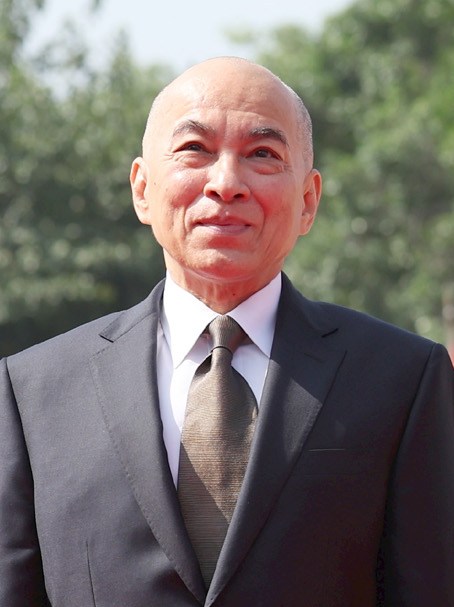
Contents — explore this biography
Family and early educationDance and artistic trainingLife in FranceUNESCO representationSelection and enthronement in 2004The constitutional sovereignFamily and early education
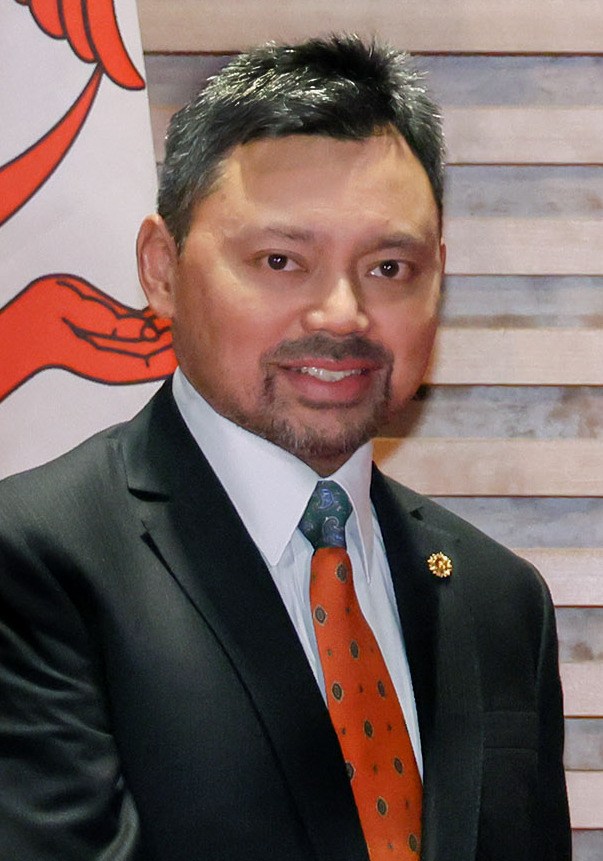
Norodom Sihamoni was born in Phnom Penh on 14 May 1953, a son of Norodom Sihanouk and Norodom Monineath. His childhood began in Cambodia before study in Prague from 1962. The family relationship connects him with his father’s monarchy, but his eventual accession followed an institutional selection rather than an automatic father-to-son transfer.
Dance and artistic training
He studied classical dance and music in Czechoslovakia and later pursued film-related study. His years abroad developed the artistic background that distinguished his earlier public career. Educational attendance and professional artistic work should be recorded separately from royal status; being a prince did not itself supply the training required to teach or perform classical dance.
Life in France
Sihamoni moved to France in 1981 and taught ballet. He became associated with Khmer cultural activities and artistic organizations. This period forms a substantial professional chapter before kingship, not simply a succession waiting period. His cultural work also helps explain the later diplomatic appointments concerned with Cambodia’s international representation in educational and artistic institutions.
UNESCO representation
He became Cambodia’s ambassador to UNESCO in 1993 and held the post before accession. The role connected diplomacy with cultural heritage and international cooperation. It was distinct from the sovereign office he later assumed. Specific institutional activities involved Cambodian officials and UNESCO professionals, rather than being reducible to the activities of one royal representative.
Selection and enthronement in 2004
After Sihanouk abdicated, the Royal Council of the Throne selected Sihamoni on 14 October 2004. The enthronement ceremony followed on 29 October. The two dates identify selection and ceremonial inauguration. Cambodia’s system therefore differs from a model in which the eldest child necessarily becomes monarch immediately on a predecessor’s death.
The constitutional sovereign
His public duties include ceremonies, audiences and national representation within Cambodia’s constitutional framework. Elected and appointed government institutions exercise their own responsibilities. His biography is especially useful for comparing an artistic and diplomatic career with later sovereign service, while the directory avoids converting ceremonial visibility into claims about personal authorship of every national policy or cultural achievement.
Career timeline
Begins an extended period of education in Czechoslovakia.
Moves to France and develops his artistic career.
Begins Cambodia’s UNESCO representation.
Is selected by the Royal Council of the Throne.
The royal inauguration ceremony takes place.
Selected works & milestones
Ballet teaching
Moves to France and develops his artistic career.
UNESCO ambassador
Begins Cambodia’s UNESCO representation.
Royal selection
Is selected by the Royal Council of the Throne.
Enthronement
The royal inauguration ceremony takes place.
- Cambodian National Radio — official coronation history and biography
- Norodom Sihamoni — biographical reference and cited sources
Published 2026-10-31. Sources reviewed for this edition. Independent coverage of public professional activity.