Contents — explore this biography
Hashemite family and schoolingMilitary preparationThe transition of 1999Public responsibilities and diplomacyReligion and public writingFamily and successionHashemite family and schooling
Abdullah was born in Amman on 30 January 1962, the eldest son of King Hussein and Princess Muna. His education included schooling in Jordan, Britain and the United States. The Hashemite family connection places him in a dynasty with a history extending beyond Jordan, while his own biography is centered on the institutions and public life of the Jordanian state.
Military preparation
He trained at the Royal Military Academy Sandhurst and pursued a military career before becoming king. His service included command responsibilities in Jordan’s armed forces and special operations. These appointments formed a substantial professional period before accession. They should be distinguished from the constitutional and commander-in-chief responsibilities attached to his later position as sovereign.
The transition of 1999
Abdullah became king on 7 February 1999 following Hussein’s death. The succession came after his designation as crown prince shortly before the end of his father’s reign. A chronology is particularly useful here because his lengthy military career contrasted with a short final period as the immediate heir. Accession and later ceremonial events are recorded as separate milestones.
Public responsibilities and diplomacy
His reign has involved regional diplomacy, security concerns and economic-development policy in a country affected by neighboring conflicts and refugee movements. The king’s constitutional position coexists with a government and parliament. Explaining those institutions is more informative than treating all state activity as a personal royal undertaking. Specific reforms require examination of their legal provisions and practical implementation.
Religion and public writing
The Amman Message, launched in 2004, is an initiative associated with his public work on religious understanding. He also published the memoir Our Last Best Chance in 2011. The book provides an account from the king’s own perspective and should be read as such, rather than as an independent history of every event it describes.
Family and succession
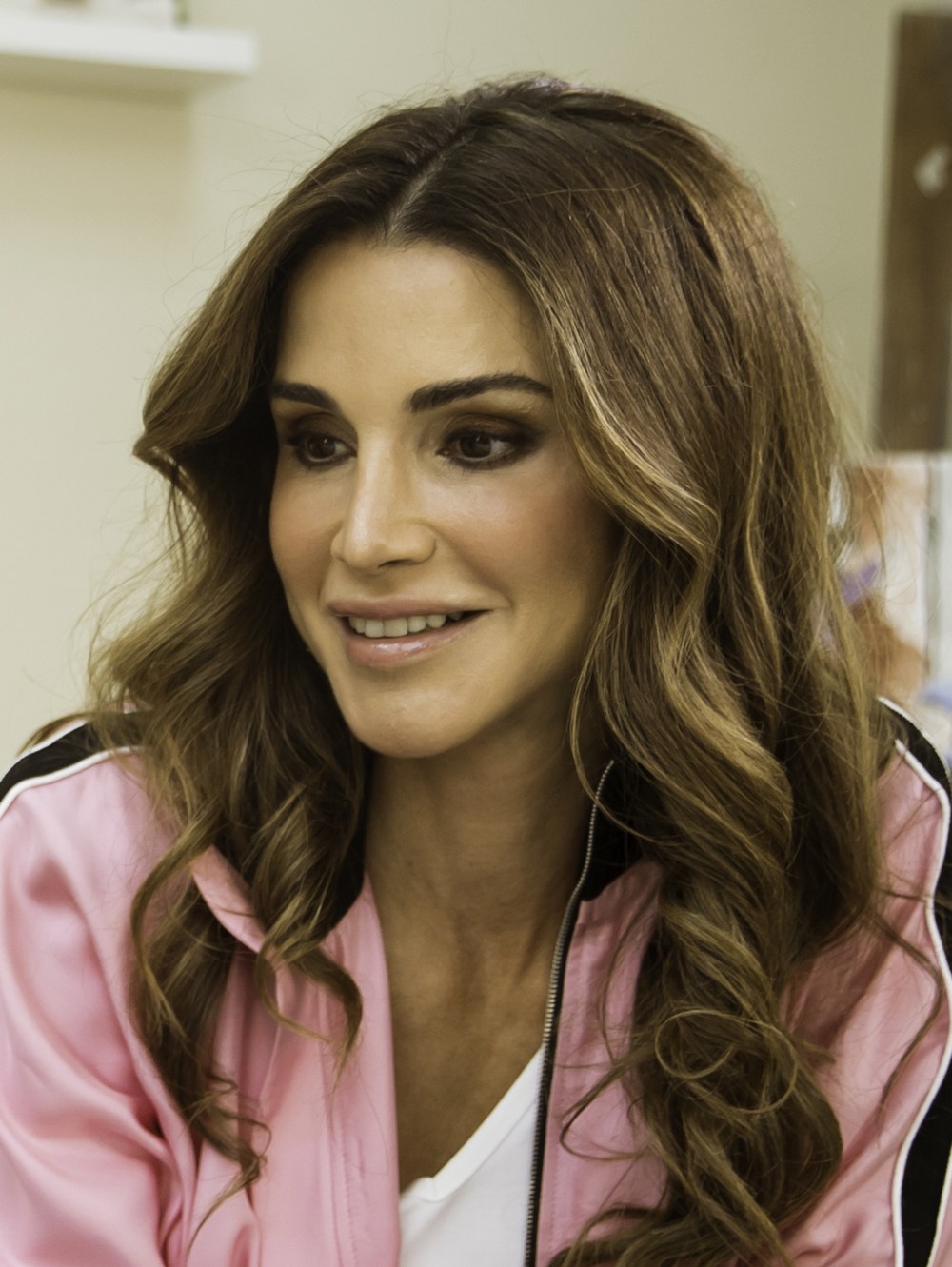
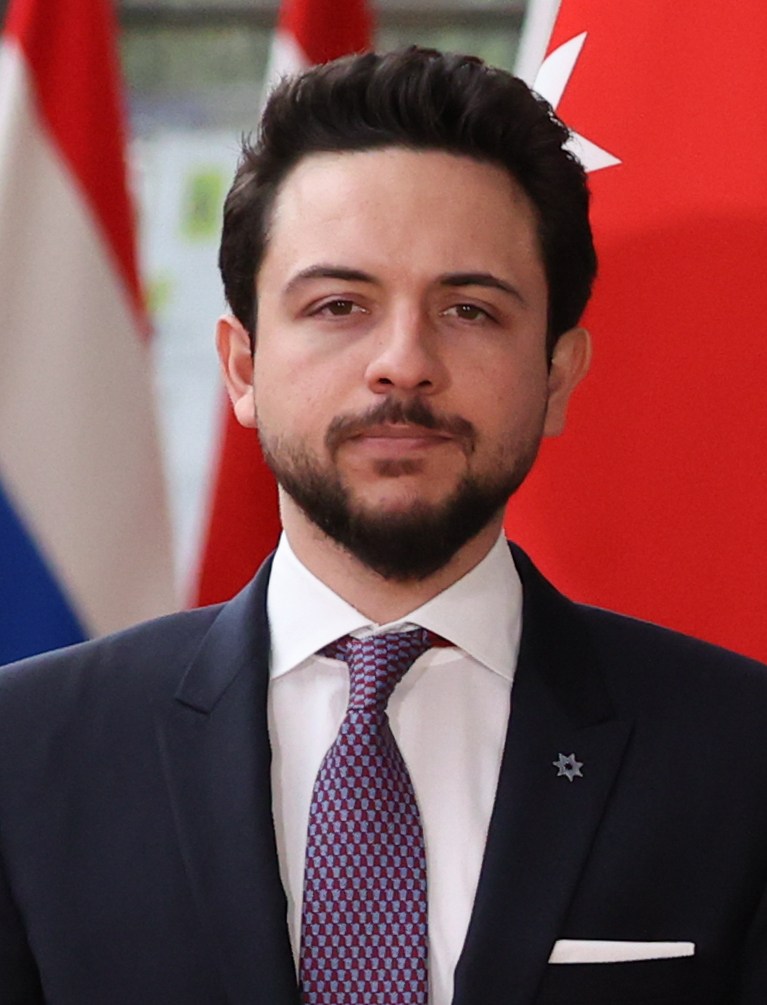
Abdullah married Rania Al Yassin in June 1993. Queen Rania’s educational and social initiatives are covered in a separate profile. Their son Hussein is Jordan’s crown prince. These relationships connect the family biographies while preserving the difference between the sovereign, the heir and the queen consort, each of whom has a distinct public position and record of activity.
Career timeline
Begins officer training at Sandhurst.
Marries Rania Al Yassin.
Succeeds King Hussein.
Launches the Amman Message initiative.
Publishes Our Last Best Chance.
Selected works & milestones
Accession
Becomes Jordan’s fourth king.
Amman Message
An initiative concerning religious understanding.
Our Last Best Chance
A published memoir and political account.
Hashemite monarchy
The sovereign position within Jordan’s constitutional institutions.
Published 2026-10-31. Sources reviewed for this edition. Independent coverage of public professional activity.