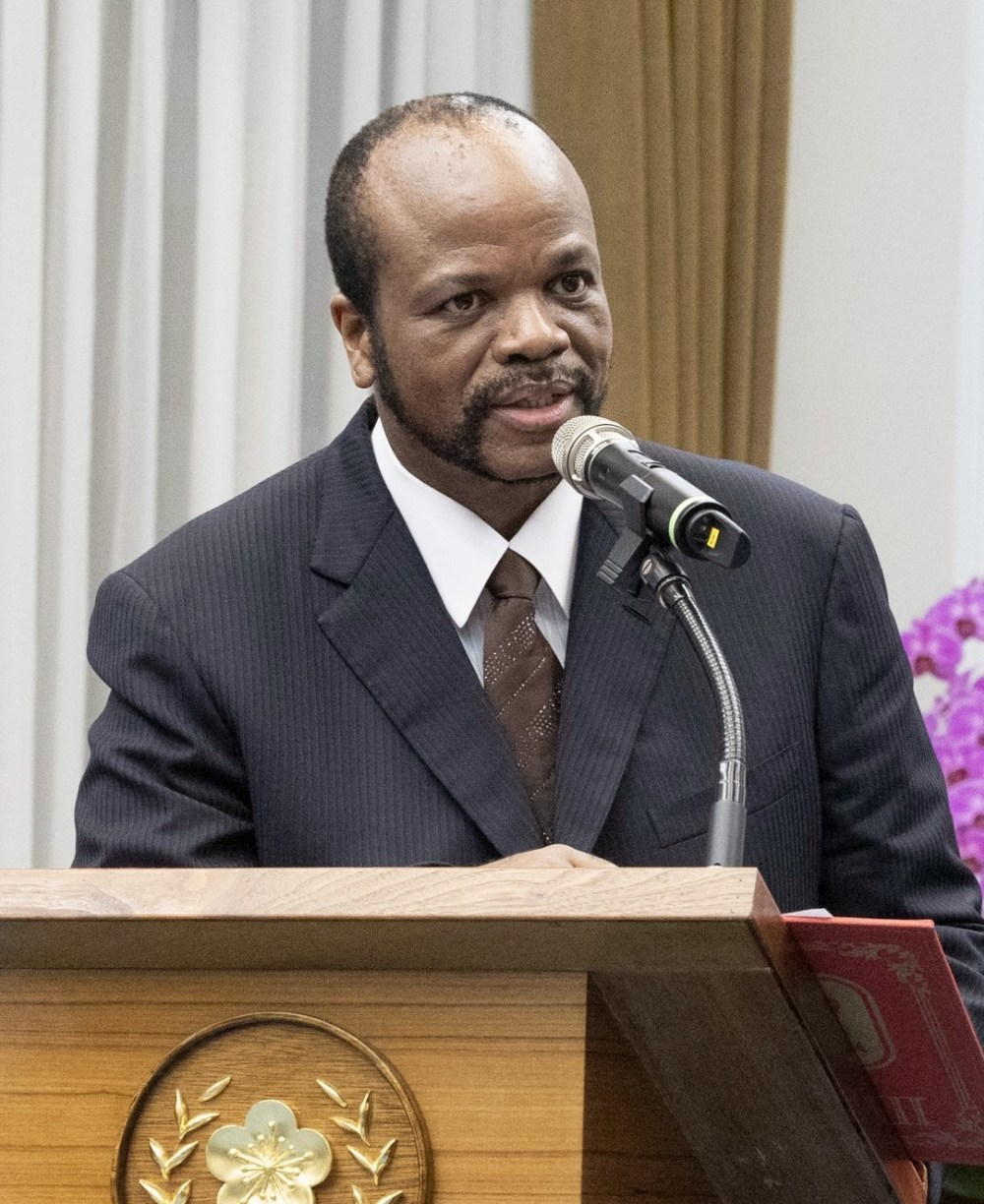
Contents — explore this biography
Birth and the Dlamini familyEducation and the regency periodAccession in 1986Political authority and institutionsThe country’s nameA long and contested public recordBirth and the Dlamini family
Mswati was born Makhosetive Dlamini in Manzini on 19 April 1968, a son of Sobhuza II and Ntfombi. His early life preceded the end of his father’s long reign. He belongs to the Dlamini royal house. The personal birth name and the regnal name identify different stages of the same biography, not two separate rulers.
Education and the regency period
His education included schooling in Eswatini and Britain. Sobhuza II died in 1982 while Makhosetive was still a teenager, and regency arrangements preceded his assumption of the throne. That intervening period is important: his father’s death did not coincide with the coronation or mean that the young prince immediately exercised every sovereign responsibility.
Accession in 1986
He was crowned as Mswati III on 25 April 1986 at the age of eighteen. Ntfombi holds the position of queen mother, associated with the country’s traditional royal institutions. Those offices have their own histories and should not simply be translated into a European king-and-consort model. The government marked forty years of his reign in 2026.
Political authority and institutions
The monarchy retains substantial governing authority, including influence over appointments and national administration. It is therefore institutionally different from monarchies whose sovereigns mainly perform representative duties. The constitutional framework adopted in the 2000s preserved a strong royal role. Describing ceremonies alone would leave an incomplete picture of the public power attached to this office.
The country’s name
In 2018 Mswati announced the country’s official English name change from Swaziland to Eswatini. Earlier records and sources consequently use a different state name. The directory groups this biography under Eswatini while retaining historical terminology where it explains events. A name change is a documented state decision, not by itself evidence of economic or social results.
A long and contested public record
His reign includes debates about political participation, public spending and the relationship between royal authority and democratic demands. Official jubilee material expresses the government’s perspective and should be read as such. This profile uses it for dates and office identification while avoiding its promotional conclusions, speculative wealth estimates or an assumption that longevity itself demonstrates political success.
Career timeline
Is born Makhosetive Dlamini in Manzini.
Sobhuza II dies and a regency period follows.
Becomes King Mswati III.
Announces the official English name change to Eswatini.
The government marks the fortieth anniversary of his coronation.
Selected works & milestones
Succession preparations
Sobhuza II dies and a regency period follows.
Coronation
Becomes King Mswati III.
Country name
Announces the official English name change to Eswatini.
Forty-year reign
The government marks the fortieth anniversary of his coronation.
- Eswatini Government — 2026 reign anniversary and accession chronology
- Eswatini Government — king and political background
- Mswati III — biographical reference and cited sources
Published 2026-10-31. Sources reviewed for this edition. Independent coverage of public professional activity.