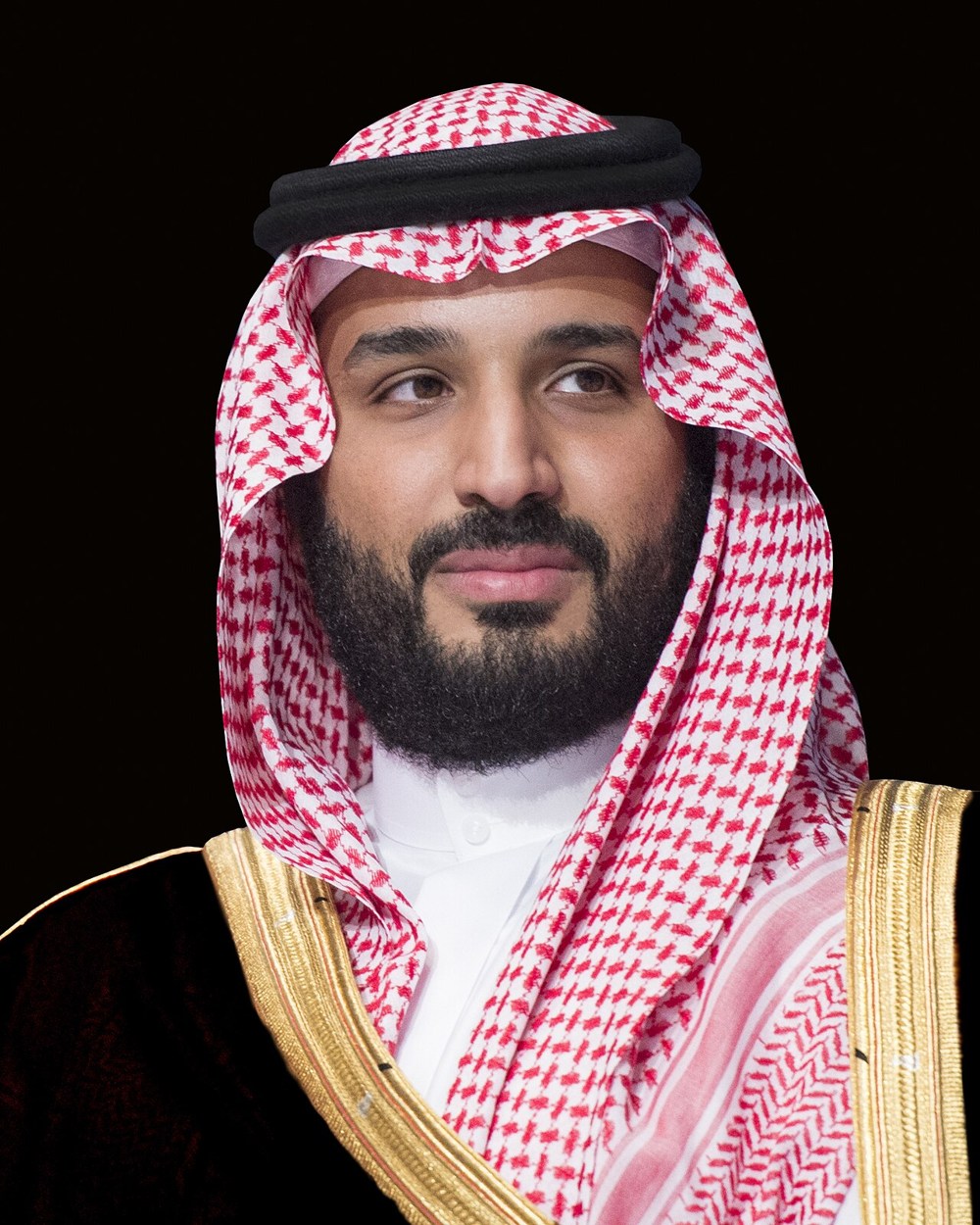
Contents — explore this biography
Family and legal educationNational appointments in 2015Crown prince and prime ministerVision 2030 and economic policyInternational scrutiny and accountabilityReading the current public roleFamily and legal education
Mohammed bin Salman was born in Riyadh in 1985, a son of King Salman. He studied law at King Saud University before entering public service. His early career developed through advisory work associated with his father. Royal family membership and academic training form part of his background, but neither alone describes the policy authority attached to his subsequent appointments.
National appointments in 2015
After Salman became king in 2015, Mohammed became minister of defense and later deputy crown prince. The defense appointment coincided with the start of the Saudi-led military intervention in Yemen. That conflict is an important context for his early national role; a public biography should identify it alongside domestic initiatives rather than describing the period only through economic ambitions.
Crown prince and prime minister
He was appointed crown prince in June 2017, replacing Mohammed bin Nayef as heir. In September 2022 he became prime minister. The two offices are separate: one concerns succession and the other heads the government. Current official diplomatic records list Salman as king and Mohammed bin Salman as crown prince and prime minister, not as the reigning sovereign.
Vision 2030 and economic policy
Vision 2030, announced in 2016, sets objectives for economic diversification and changes in public services, investment and social life. His public identity is closely associated with that programme. Investment announcements, large development projects and completed results need to be distinguished when evaluating it. The Public Investment Fund is an institution with its own governance and portfolio, rather than an interchangeable name for private royal assets.
International scrutiny and accountability
His leadership has attracted intense scrutiny concerning human rights and the killing of journalist Jamal Khashoggi in 2018. A 2021 US intelligence assessment concluded that the crown prince approved an operation to capture or kill Khashoggi. The Saudi government rejected the assessment. Both primary statements are linked below; the US intelligence conclusion is not presented as a court judgment.
Reading the current public role
His position combines substantial executive responsibilities with heir-apparent status within the House of Saud. International diplomacy, investment policy and domestic reforms involve institutions beyond the individual, even when he is a prominent decision-maker. The chronology separates appointment dates from programme announcements and contentious events, giving readers a structured starting point for examining his public record through the cited sources.
Career timeline
Begins advisory work with his father.
Becomes defense minister and deputy crown prince.
Vision 2030 is announced.
Is appointed crown prince.
Becomes prime minister.
Selected works & milestones
Defense ministry
An early national leadership appointment.
Vision 2030
A policy programme with diversification objectives.
Crown-prince appointment
Becomes the designated heir to King Salman.
Premiership
Assumes the office of prime minister.
- Mohammed bin Salman — biographical reference and cited sources
- Australian Department of Foreign Affairs — current leadership
- Saudi Government — Cabinet chaired by the crown prince, October 2026
- Saudi Ministry of Foreign Affairs via SPA — rejection of the assessment
- US Office of the Director of National Intelligence — 2021 Khashoggi assessment
Published 2026-10-31. Sources reviewed for this edition. Independent coverage of public professional activity.