Contents — explore this biography
Learning fashion through observation and workIndependent collections and a broader cast of wearersCorsets, performers and images that travelCouture, fragrance and the recognition of an oeuvreThe final founder-led runway and an evolving houseLearning fashion through observation and work
Jean Paul Gaultier was born in Arcueil, near Paris, in 1952. As a teenager he developed collections through drawings inspired by magazines, cinema and television, learning to analyze clothing before receiving formal professional opportunities. He did not attend fashion school. His employment with Pierre Cardin and Jean Patou introduced him to the practical traditions and skills of the fashion industry from 1970 onward. This combination of observation and apprenticeship remained important to his work. He approached familiar social types and everyday garments as material for transformation, while the technical knowledge acquired within established houses allowed apparently irreverent ideas to become carefully constructed clothes.
Independent collections and a broader cast of wearers
Gaultier began presenting women’s ready-to-wear under his own name in 1976 and subsequently developed menswear. His collections questioned the boundaries separating masculine and feminine dress, elite fashion and street style, conventional beauty and the bodies often excluded from it. Sailor stripes, skirts and tailored garments could move between those categories without losing their recognizable origins. The work was provocative partly because it made existing rules visible. A skirt or corset revealed how strongly a garment’s meaning depended on the person wearing it and the expectations of an audience. Humor and theatricality accompanied an exact understanding of cut, surface and proportion.
Corsets, performers and images that travel
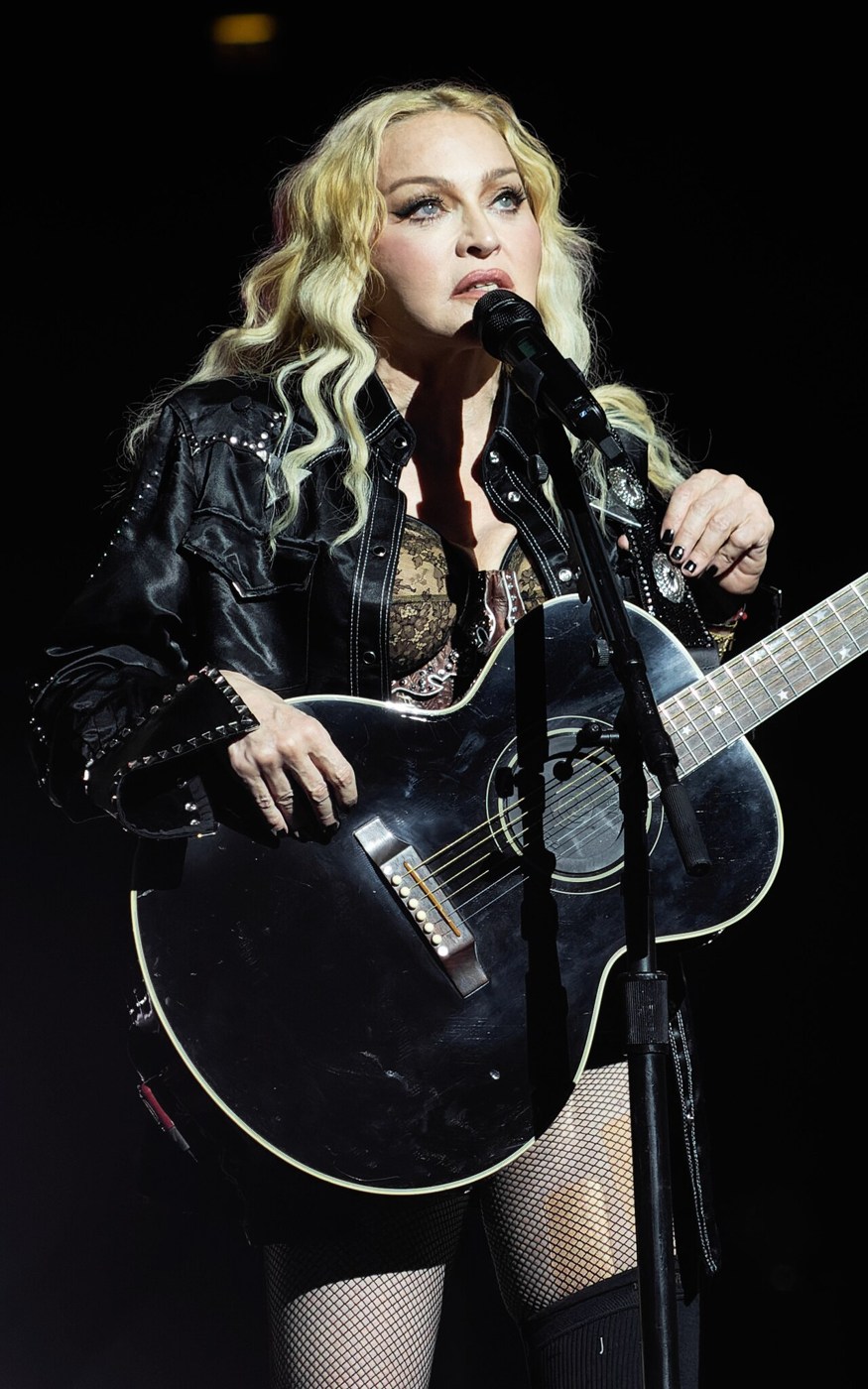
The cone-bra corset associated with Madonna’s 1990 Blond Ambition tour became one of Gaultier’s most widely circulated creations. By turning underwear into an assertive outer layer, he brought an older instrument of bodily shaping into a different context of performance and self-presentation. His collaborations extended across musicians, film and stage, making costume an important part of his career rather than a minor addition to runway fashion. The enduring power of these images depends on collaboration: a designer’s construction acquires movement, character and public meaning through the performer, the staging and the photographs through which later audiences encounter it.
Couture, fragrance and the recognition of an oeuvre
Gaultier established his own haute couture practice in 1997, allowing elaborate construction and handwork to develop alongside ready-to-wear. He also worked for Hermès during the 2000s. Fragrances translated elements of his imagery into another commercial form, including torso-shaped bottles associated with corsets and sailor tops. Institutional exhibitions later brought garments, sketches, performance costumes and audiovisual material together as a record of a broader creative practice. The Fashion World of Jean Paul Gaultier, organized by the Montreal Museum of Fine Arts with the house, travelled internationally and was shown at the National Gallery of Victoria in 2014–2015.
The final founder-led runway and an evolving house
Gaultier presented his final personally designed haute couture runway show in January 2020. That event marked a transition in his own work rather than the disappearance of the name, its archive or its commercial activities. The house subsequently introduced a guest-designer couture programme in 2021, inviting other creative figures to interpret its vocabulary. The distinction helps separate the designer’s career from the continuing organization. His legacy is visible in an expanded idea of who fashion can represent and in garments that make inherited categories seem negotiable. The apparent ease of that freedom rests on sustained technical attention and a deep familiarity with the conventions being rearranged.
Career timeline
Born in Arcueil, near Paris.
Began professional training through work with Pierre Cardin.
Presented independent women’s ready-to-wear.
Established his own haute couture practice.
Presented his final personally designed couture runway show.
Selected works & milestones
Independent ready-to-wear
Began presenting a recognizable personal design vocabulary.
Blond Ambition costumes
Madonna wore the cone-bra corset on tour.
Haute couture
Extended his experimentation through couture techniques.
The Fashion World of Jean Paul Gaultier
The travelling retrospective appeared at the National Gallery of Victoria.
- Jean Paul Gaultier — official designer profile
- Jean Paul Gaultier — iconic creations
- National Gallery of Victoria — career and exhibition
- Palais Galliera — exhibition press dossier and career record
Published 2026-11-09. Sources reviewed for this edition. Independent coverage of public professional activity.