Contents — explore this biography
Queens and an education in personal sellingLaunching a company with Joseph LauderYouth-Dew and a different purchasing decisionDepartment stores, demonstrations and international growthA portfolio of brands and a family institutionQueens and an education in personal selling
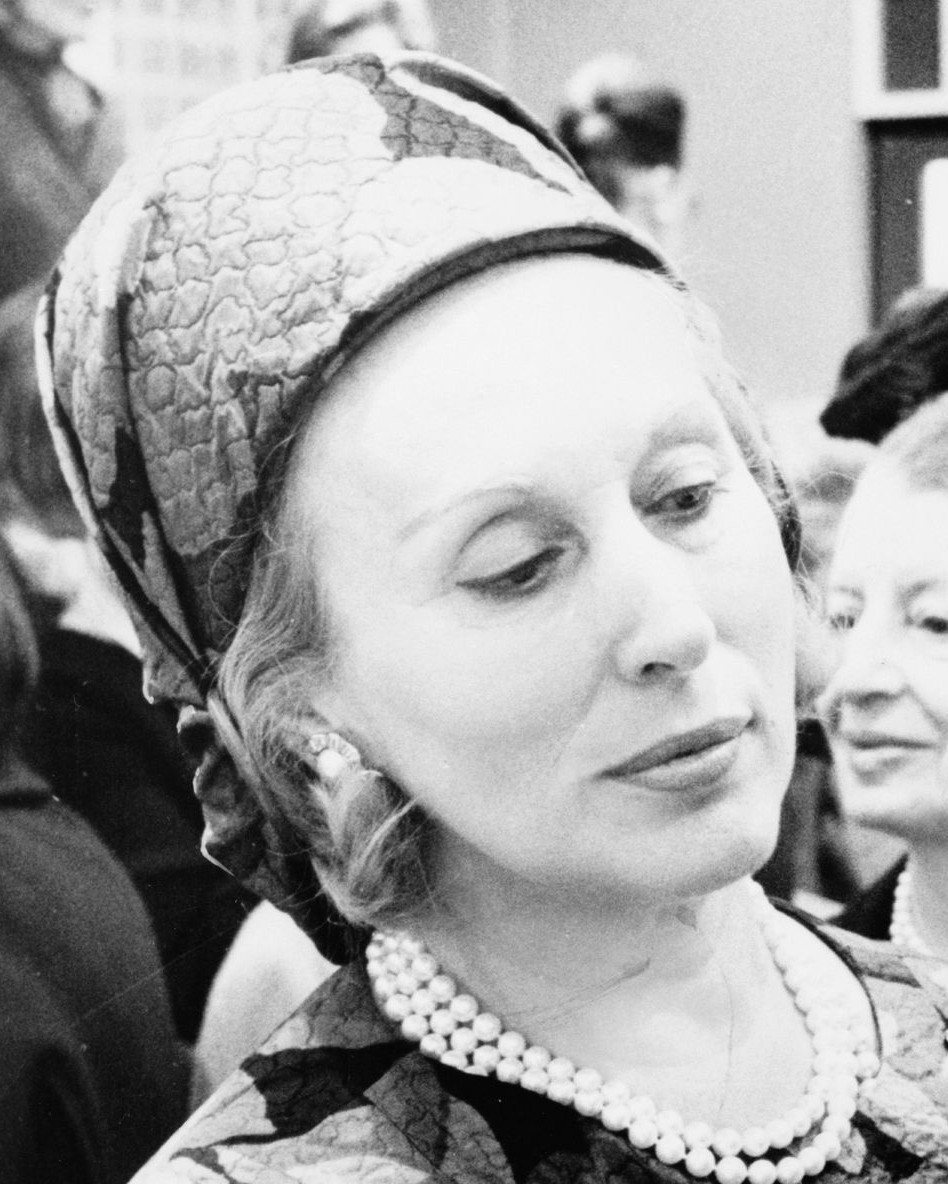
Estée Lauder was born Josephine Esther Mentzer in Queens, New York, in 1908. Her early interest in beauty developed through family experience, including work with skin creams made by an uncle. She learned to demonstrate products and explain their use directly to potential customers. This background is important because her later company combined a physical product with an unusually personal method of selling it. A customer encountered texture, presentation and reassurance together. Her professional identity also developed through a carefully presented name and appearance, linking the public image of the founder with the kind of experience the business promised.
Launching a company with Joseph Lauder
In 1946, Lauder and her husband, Joseph, formally established their cosmetics company. Its initial offering was small, and the founders handled work that would later be divided among specialized departments. An important department-store order followed from Saks Fifth Avenue in 1947. Access to such a setting did more than create another sales outlet: it placed the products within an established environment of service and prestige. Lauder’s approach treated distribution as part of the brand itself. Where an item was sold, how it was introduced and the attention given to the customer all contributed to its commercial meaning.
Youth-Dew and a different purchasing decision
Youth-Dew, introduced in 1953 as a bath oil that could also function as a fragrance, became a significant product in the company’s development. Its positioning helped change the circumstances in which a woman might purchase scent for herself. The commercial lesson was not simply that an attractive fragrance would sell. Product form and the explanation surrounding it could reshape a purchasing habit. Lauder repeatedly connected innovation with a recognizable customer situation, making a product feel relevant to everyday use while retaining a sense of luxury. That relationship between practical use and aspiration remained central to her business identity.
Department stores, demonstrations and international growth
Lauder’s demonstrations, sampling and gift-with-purchase promotions encouraged customers to experience a product before making a larger commitment. Such methods also gave salespeople a structured reason to begin a conversation. As the business expanded internationally, prestigious department stores offered both distribution and an existing audience for personal service. The company’s heritage records its entry into London’s Harrods in 1960. International growth required adapting an established presentation to new retail relationships rather than assuming that a successful American identity would reproduce itself automatically. The emphasis on service therefore operated as a selling method, a training principle and a way of maintaining consistency.
A portfolio of brands and a family institution
The business eventually extended beyond its original namesake line through brands including Aramis and Clinique. This development created a portfolio whose products could address different audiences while drawing on shared organizational capabilities. Family members assumed significant leadership responsibilities as the enterprise grew, and Lauder described her career in the 1985 book Estée: A Success Story. She died in 2004. Her historical importance lies in the combination of entrepreneurship, distribution and brand experience: she helped make the encounter at the beauty counter a repeatable commercial system. A balanced account also recognizes Joseph Lauder, employees and later generations whose contributions turned a founder-led venture into an enduring institution.
Career timeline
Born in Queens, New York City.
Founded the cosmetics company with Joseph Lauder.
Secured an important Saks Fifth Avenue order.
Introduced Youth-Dew.
Died after a long career in beauty entrepreneurship.
Selected works & milestones
Estée Lauder company
A business launched with a small initial product range.
Youth-Dew
Bath oil and fragrance that became a defining product.
Harrods expansion
An important international retail milestone.
Estée: A Success Story
An autobiographical account of her career.
- The Estée Lauder Companies — founder biography
- The Estée Lauder Companies — corporate heritage
- The Estée Lauder Companies — Lauder family
- Harvard Business School — Estée Lauder
Published 2026-11-07. Sources reviewed for this edition. Independent coverage of public professional activity.