Contents — explore this biography
Education and intellectual settingMeeting Charles BabbageThe translation and notes of 1843What the machine might representThe first-programmer questionAn influence recovered laterEducation and intellectual setting
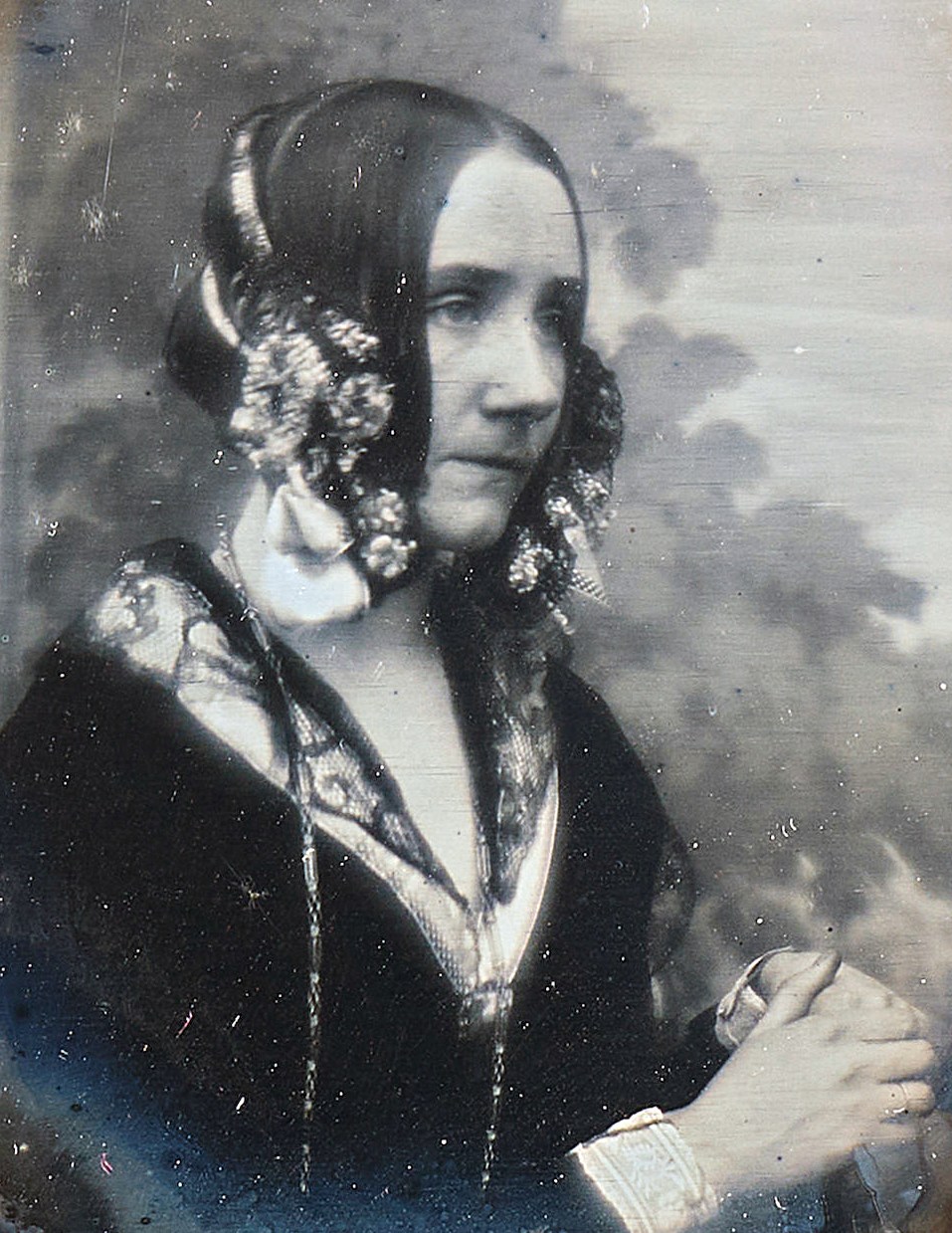
Augusta Ada Byron was born in London in 1815, the daughter of poet Lord Byron and Anne Isabella Milbanke. Her education emphasized mathematics, with important intellectual contacts including Mary Somerville and Augustus De Morgan. She later became Countess of Lovelace through marriage. Her scientific identity arose from sustained study and correspondence rather than a modern university degree or professional programming position.
Meeting Charles Babbage
Lovelace encountered Babbage’s calculating-machine work in 1833. His Difference Engine targeted the production of numerical tables, while the later Analytical Engine proposed a more general architecture using stored values and instructions. Understanding the distinction matters: the machine discussed in her famous notes was an ambitious design that was not completed in their lifetimes, not an operating electronic computer.
The translation and notes of 1843
She translated Luigi Federico Menabrea’s account of the Analytical Engine and added extensive notes under her initials. These notes discussed operations, the arrangement of instructions and a method for calculating Bernoulli numbers. They are a concrete published contribution that can be studied directly. The text also emerged from close collaboration with Babbage, whose designs and earlier algorithms are part of the record.
What the machine might represent
Lovelace considered how a machine could manipulate more than quantities if other relationships were expressed through suitable symbols. Her discussion of music is often cited because it extends the machine’s potential beyond routine arithmetic. This was a conceptual argument about representation and rules, not a claim that she built a music computer or predicted every form of contemporary artificial intelligence.
The first-programmer question
She is widely called the first computer programmer, particularly because the published notes include an elaborate worked sequence. Historians qualify the label because Babbage had written earlier programs and because the proposed machine never operated in its intended form. Recording that debate strengthens the biography: her importance does not depend on erasing collaborators or making an uncontested priority claim where definitions remain disputed.
An influence recovered later
Lovelace died in 1852, long before electronic computers. Her notes gained a wider readership in the twentieth century, and the programming language Ada later commemorated her. The durable contribution lies in a published combination of mathematical detail and an unusually expansive view of symbolic machinery. That record is more informative than presenting her as a solitary inventor of the entire modern computer.
Career timeline
Meets Charles Babbage and becomes familiar with his calculating-machine work.
Marries William King, later Earl of Lovelace.
Publishes her translation of Menabrea with extensive Analytical Engine notes.
Dies in London at the age of thirty-six.
The Ada programming language commemorates her name during its early development.
Selected works & milestones
Marriage
Marries William King, later Earl of Lovelace.
Published notes
Publishes her translation of Menabrea with extensive Analytical Engine notes.
Early death
Dies in London at the age of thirty-six.
Ada language
The Ada programming language commemorates her name during its early development.
- Computer History Museum — Ada Lovelace and the engines
- NIST — historical account of Lovelace and symbolic computing
- Ada Lovelace — biographical reference and bibliography
Published 2026-10-31. Sources reviewed for this edition. Independent coverage of public professional activity.