Contents — explore this biography
Education in pharmaceutical scienceA national search for malaria treatmentsHistorical text and extraction conditionsFrom extract to artemisininInternational recognitionThe scientific significanceEducation in pharmaceutical science
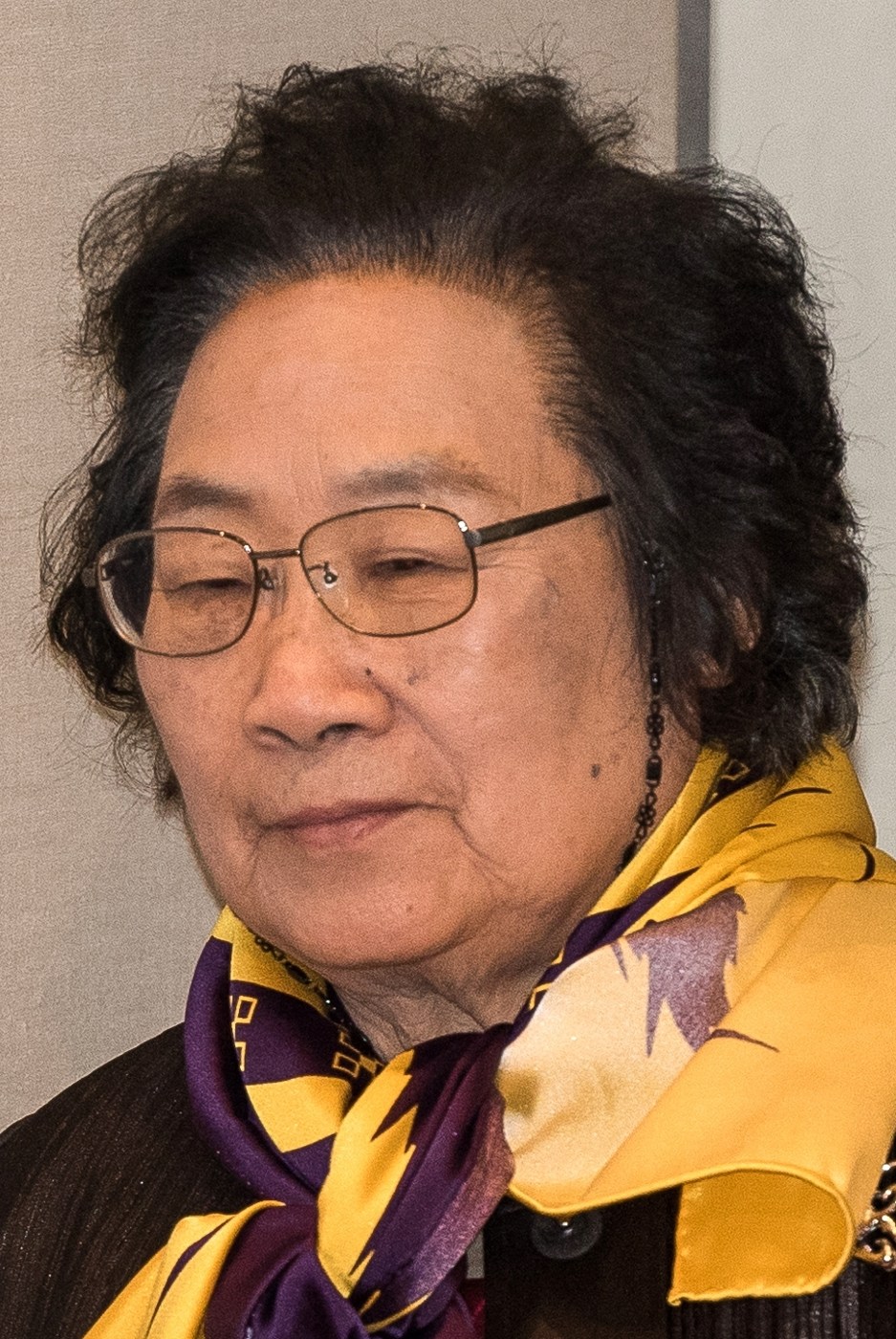
Tu was born in Ningbo in 1930 and studied pharmacognosy at Peking University’s medical school, graduating in 1955. She joined the institution later known as the China Academy of Chinese Medical Sciences. Her training examined medicinal substances through pharmaceutical methods, while later study of traditional Chinese medicine broadened the historical material she could investigate. Both forms of preparation informed the research for which she became internationally known.
A national search for malaria treatments
She joined Project 523 in 1969 as a leader of a research group investigating antimalarial compounds. Drug resistance had created an urgent need for effective treatments. The project included many laboratories and researchers across China, so its achievements cannot be attributed to one person acting in isolation. Tu’s distinctive contribution came through the selection of candidates, extraction methods and the interpretation of experimental results.
Historical text and extraction conditions
A passage in an early medical text associated with Ge Hong helped her reconsider how sweet wormwood, Artemisia annua, was prepared. She investigated lower-temperature extraction rather than assuming that customary boiling would preserve the relevant activity. A promising extract produced strong experimental results in 1971. The connection between a historical clue and a new method was important, but efficacy still depended on testing rather than the age of the text.
From extract to artemisinin
Her group and collaborating teams contributed to the isolation, study and development of artemisinin during the early 1970s. Determining a compound’s structure, assessing activity and producing useful medicines are related but distinct stages. Later derivatives and treatment combinations expanded the clinical application. A biography should distinguish the plant, a crude extract and a standardized pharmaceutical compound rather than treating those different preparations as interchangeable.
International recognition
Tu received the Lasker-DeBakey Clinical Medical Research Award in 2011 and half of the 2015 Nobel Prize in Physiology or Medicine. The other half recognized William C. Campbell and Satoshi Ōmura for a different antiparasitic discovery. The Nobel record credits her work on a novel malaria therapy; it does not establish that every traditional preparation or every proposed use of artemisinin is effective.
The scientific significance
Her career demonstrates how historical knowledge can generate a useful research hypothesis when combined with chemical identification, reproducible experiments and clinical development. Artemisinin’s importance rests on that evidentiary sequence and the work of an extensive research community. This profile describes the discovery and its documented recognition, rather than providing treatment advice or extending a successful malaria medicine into unsupported claims about unrelated diseases.
Career timeline
Completes pharmaceutical studies and enters medicinal-substance research.
Begins leading a research group in the national antimalarial programme.
Her team obtains a promising lower-temperature sweet-wormwood extract.
Receives major international recognition for the artemisinin discovery.
Receives half of the Medicine Nobel for a novel malaria therapy.
Selected works & milestones
Project 523
Begins leading a research group in the national antimalarial programme.
Active extract
Her team obtains a promising lower-temperature sweet-wormwood extract.
Lasker Award
Receives major international recognition for the artemisinin discovery.
Nobel Prize
Receives half of the Medicine Nobel for a novel malaria therapy.
- Nobel Prize — Tu’s autobiographical account
- Nobel Prize — award, discovery and birth date
- Journal of Clinical Investigation — discovery and development research account
- Chinese science awards office — research and recognition record
- Tu Youyou — biographical reference and bibliography
Published 2026-10-31. Sources reviewed for this edition. Independent coverage of public professional activity.