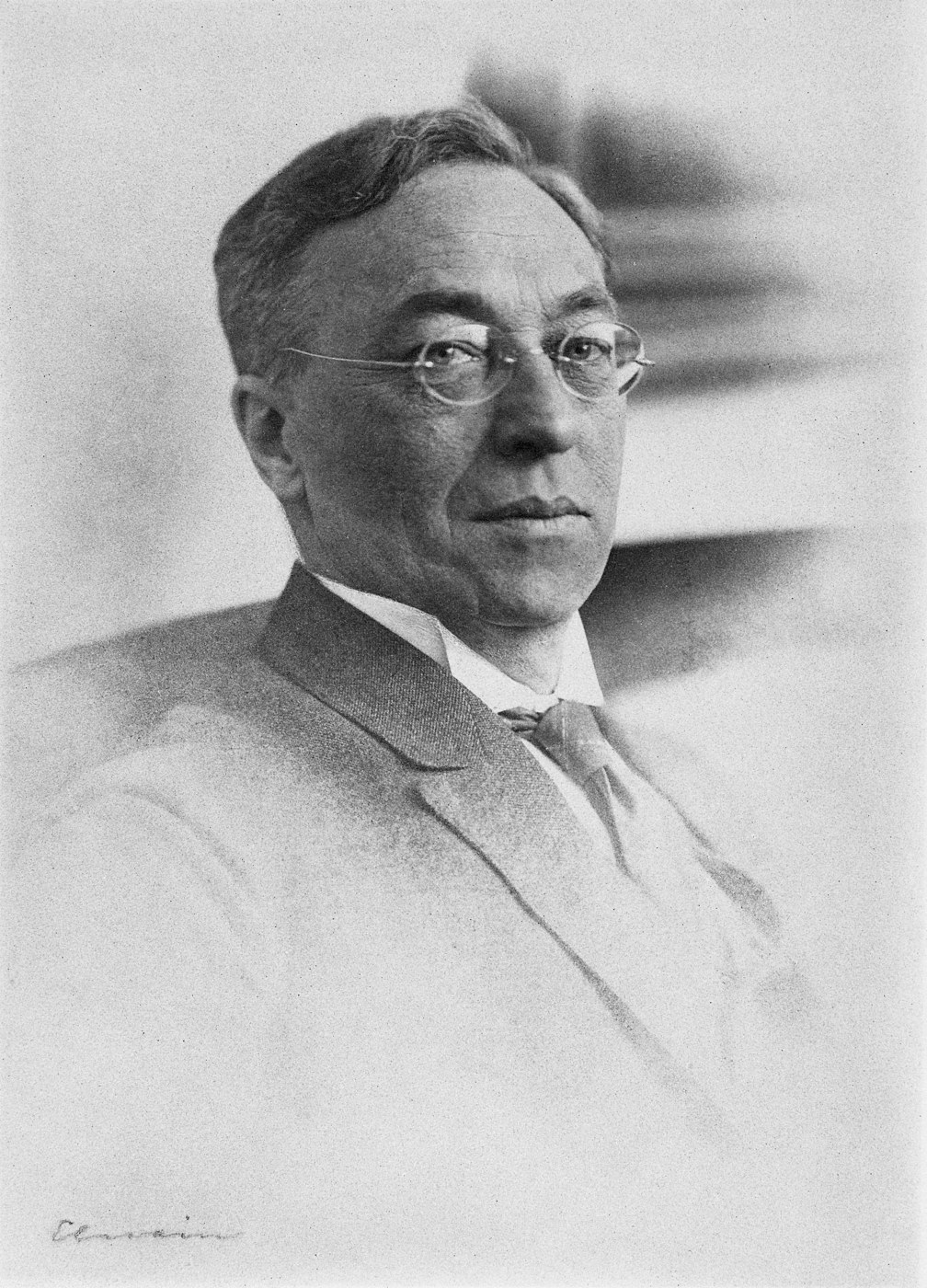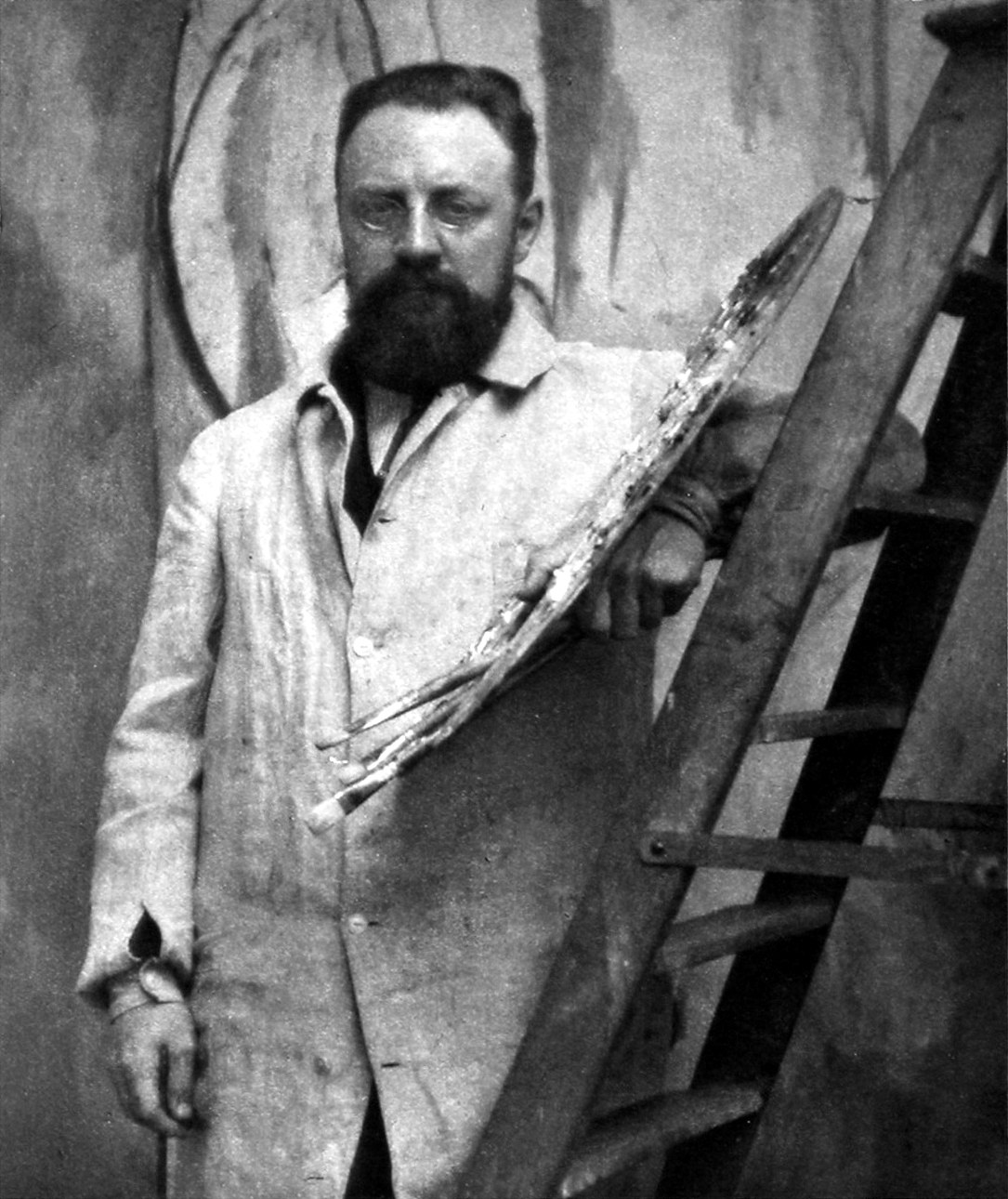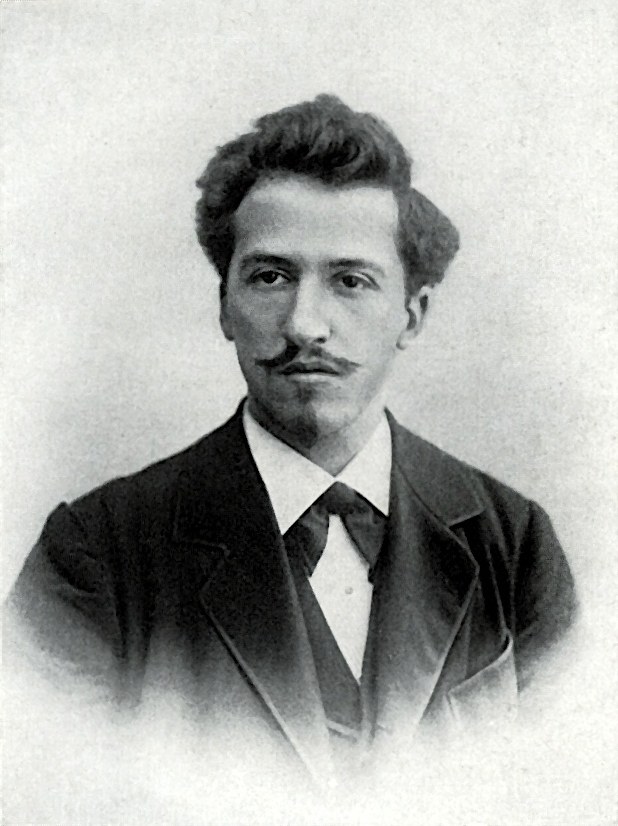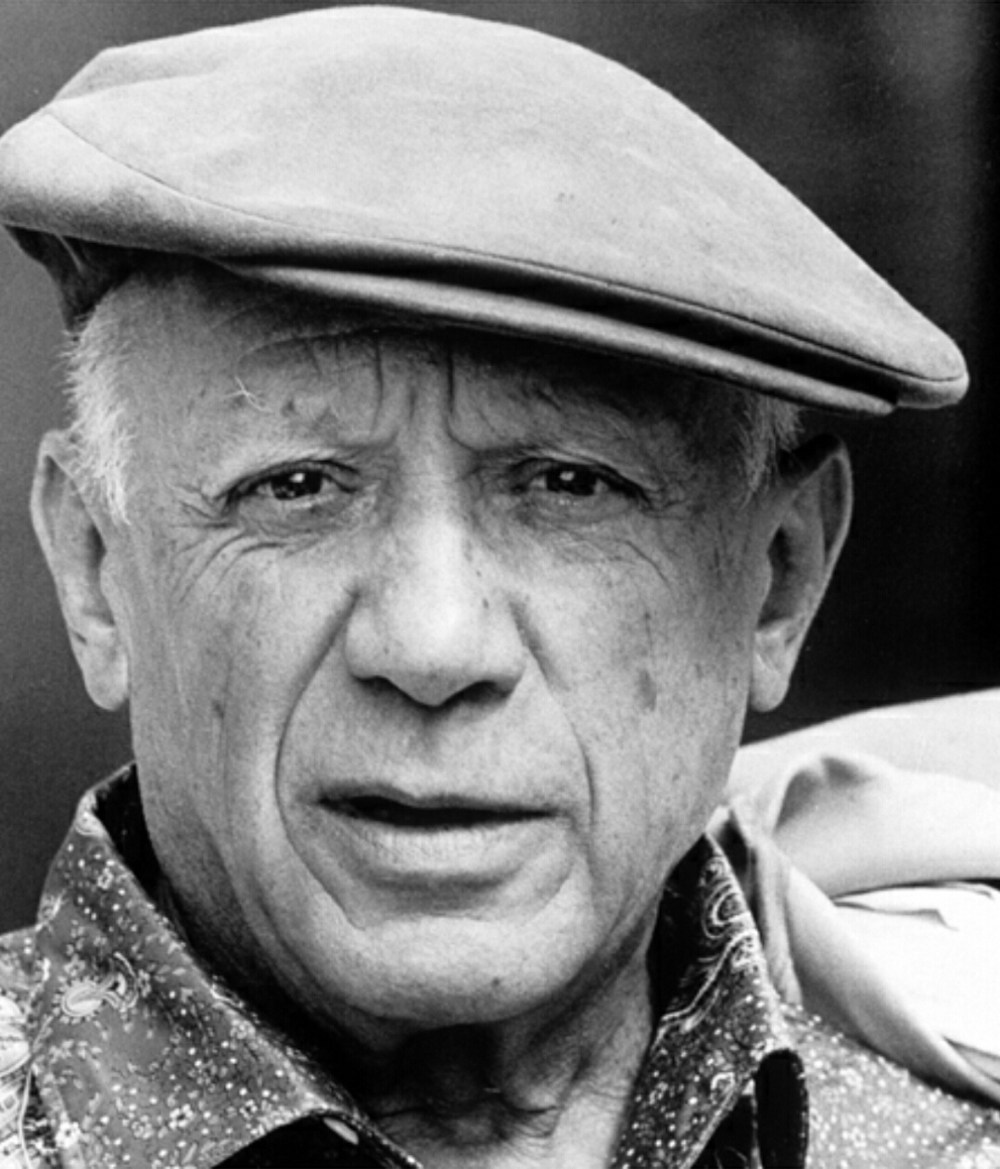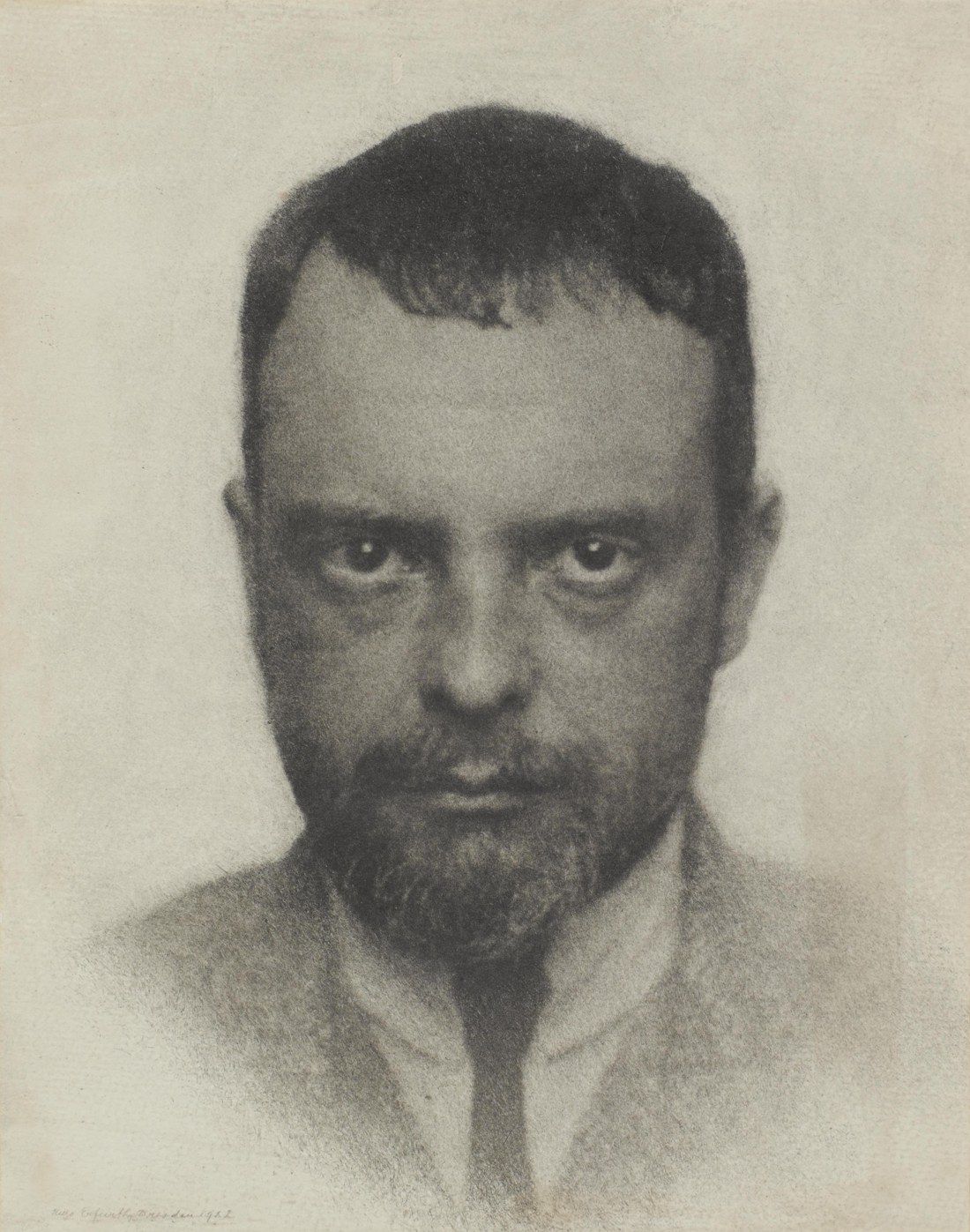
Contents — explore this biography
An artistic education shaped by musicColour and the journey toward abstractionTeaching at the BauhausPictures that make signs unstableExile and the late workAn artistic education shaped by music
Paul Klee was born near Bern in 1879 into a family of musicians. He became an accomplished violinist and considered music seriously before pursuing visual art in Munich. Drawing, caricature and printmaking were important early fields of experimentation. His eventual paintings retained something of a musician’s attention to rhythm, interval and variation, but these connections did not amount to a simple translation of sound into colour. They offered ways of thinking about how separate elements could create a coherent whole.
Colour and the journey toward abstraction
In Munich, Klee encountered the artists associated with the Blue Rider, including Wassily Kandinsky and Franz Marc. He also studied approaches to colour and structure developed by contemporary French painters. A journey to Tunisia in 1914 became particularly significant for his watercolours. Architecture, landscape and light could be reorganized into adjoining coloured shapes. Recognizable objects remained present in many pictures, but the arrangement increasingly followed the demands of the painted surface rather than the appearance of a single observed scene.
Teaching at the Bauhaus
Klee began teaching at the Bauhaus in 1921 and continued there for a decade. His courses examined how points become lines, how forms develop, and how colour relationships produce movement or balance. The teaching was systematic without reducing art to a fixed recipe. His Pedagogical Sketchbook, published in 1925, condensed aspects of this inquiry into diagrams and explanations. Alongside his classroom work, he continued to make intimate pictures whose imaginative possibilities exceeded any straightforward demonstration of a lesson.
Pictures that make signs unstable
Works such as Twittering Machine combine delicate lines, ambiguous creatures and mechanisms that seem both amusing and troubling. Titles guide viewers while often refusing to settle a picture’s meaning. Klee’s images draw on music, poetry, childhood, natural processes and invented worlds. Their small scale encourages close attention to material and mark. Watercolour, oil-transfer drawing and other techniques let him experiment with surfaces that could appear fragile, scratched, translucent or densely worked, making the method part of the experience.
Exile and the late work
After leaving the Bauhaus, Klee taught in Düsseldorf until the Nazi regime removed him in 1933. He returned to Bern, where illness later restricted his working life without ending his inventiveness. His final years produced bold signs, simplified bodies and images that could be playful or ominous. He died in 1940 near Locarno. Klee’s legacy lies in the independence of his investigation: he treated representation, abstraction, language and material experiment as overlapping possibilities rather than mutually exclusive artistic camps.
Career timeline
Born near Bern in Switzerland.
Travelled to Tunisia, deepening his exploration of colour.
Began teaching at the Bauhaus.
Lost his Düsseldorf post under the Nazi regime and returned to Switzerland.
Died near Locarno.
Selected works & milestones
Hammamet with Its Mosque
A watercolour connecting landscape and geometric colour.
Twittering Machine
A drawing and watercolour combining birds with an unsettling mechanism.
Pedagogical Sketchbook
A concise publication emerging from his teaching.
Angel Applicant
A late work from his continuing exploration of signs and figures.
- Zentrum Paul Klee — biography
- Metropolitan Museum of Art — Klee essay
- National Gallery of Art — artist
Published 2026-11-05. Sources reviewed for this edition. Independent coverage of public professional activity.