Contents — explore this biography
Barcelona training and the beginnings of an operatic careerThe 1965 breakthrough and an expanding international presenceA vocal style and a wide-ranging repertoireRecitals, recordings and the importance of musical recoveryBarcelona, popular collaboration and a lasting operatic legacyBarcelona training and the beginnings of an operatic career
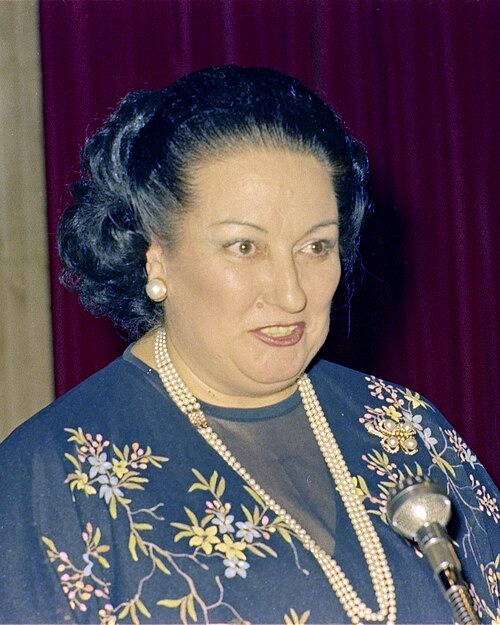
Montserrat Caballé was born in Barcelona in 1933 and trained at the city’s conservatory associated with the Liceu. Her professional career developed in European opera houses before she became an international star. In Basel she sang Mimì in Puccini’s La bohème in 1956, an early point in a working life built through practical stage experience as well as formal study. Her later reputation can obscure the importance of this period. An opera singer must learn how vocal preparation, language, dramatic timing and the work of an entire company come together across rehearsals and successive performances.
The 1965 breakthrough and an expanding international presence
Caballé’s appearance in the title role of Donizetti’s Lucrezia Borgia at Carnegie Hall in 1965 brought decisive international attention. Substituting for Marilyn Horne, she demonstrated a command of the role that changed the scale of her reputation in the United States. Her Metropolitan Opera debut followed later that year as Marguerite in Faust. The sequence illustrates how a particular opportunity can redirect a career, but the opportunity depended on years of preparation. A replacement performance can become a public sensation only when the singer is ready to make complex musical and dramatic decisions under demanding conditions.
A vocal style and a wide-ranging repertoire
Caballé became especially associated with bel canto, lyrical phrasing and finely controlled soft singing, while her repertoire extended across composers, languages and dramatic styles. Donizetti and Bellini stood alongside substantial work in Verdi and other operatic traditions. Such range should not be reduced to a count of roles or an assumption that every performance asked the same things of her voice. Different scores place different demands on articulation, breath, colour and the shaping of a musical line. Her recordings and surviving performances allow listeners to compare those choices, hearing how technique served the expressive structure of individual scenes.
Recitals, recordings and the importance of musical recovery
Beyond complete operas, Caballé’s recitals and recordings helped circulate arias, songs and less familiar repertoire. The Hampsong Foundation’s interview with her records an artist willing to discuss a broad selection of roles and musical languages rather than only the pieces that had become public signatures. Recital work changes the relationship with an audience: a singer must establish a succession of musical worlds without the continuous support of an operatic staging. Her recorded legacy is valuable for the same reason. It preserves not a single definitive vocal image, but a range of encounters between a particular performer and changing musical demands.
Barcelona, popular collaboration and a lasting operatic legacy
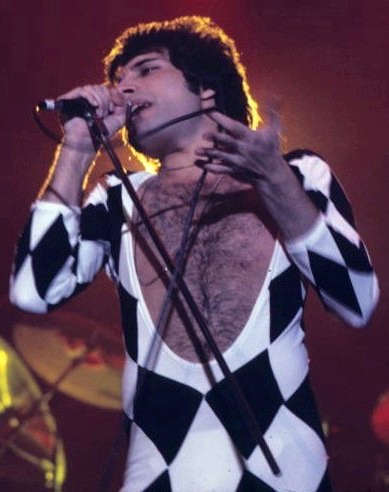
Caballé’s collaboration with Freddie Mercury on Barcelona brought operatic singing into a highly visible encounter with popular music. The title song appeared in 1987 and the album followed in 1988, acquiring a close association with the city and its international identity. This crossover project added another dimension to an already established operatic career; it did not create that career or replace the long history of performances in major houses. Caballé died in Barcelona in 2018. Her legacy continues through institutional archives, recordings and the study of vocal interpretation, linking a distinctive performing personality with the collaborative traditions that sustain opera.
Career timeline
Born in Barcelona.
Sang Mimì in La bohème at Basel.
Made her Liceu debut in Arabella.
Achieved a Carnegie Hall breakthrough and made her Metropolitan Opera debut.
Died in Barcelona.
Selected works & milestones
Lucrezia Borgia at Carnegie Hall
The replacement performance that brought international attention.
Faust at the Metropolitan Opera
Her debut at the New York opera house.
Barcelona single
A collaboration with Freddie Mercury.
Barcelona album
An extended recording collaboration across opera and popular music.
- Fundació Montserrat Caballé — biography
- Hampsong Foundation — interview and repertoire
- Metropolitan Opera — archival career context
- Liceu — historical performance archive
- Freddie Mercury — Barcelona recording history
Published 2026-11-09. Sources reviewed for this edition. Independent coverage of public professional activity.