Contents — explore this biography
A life crossing places and artistic formsWork, travel and the civil rights movementThe autobiographical achievementPoetry as print and public performanceTeaching and literary legacyA life crossing places and artistic forms
Maya Angelou was born Marguerite Johnson in St. Louis, Missouri, in 1928 and grew up partly in Stamps, Arkansas. Her early life included experiences of racism, family separation and sexual violence that she later addressed through autobiographical writing. Before becoming widely known as an author, she worked as a performer, singer and dancer. These different forms of expression remained connected in her career. The speaking voice, the physical presence of a performer and the carefully shaped sentence all became ways of holding an audience’s attention and giving personal experience a public form.
Work, travel and the civil rights movement
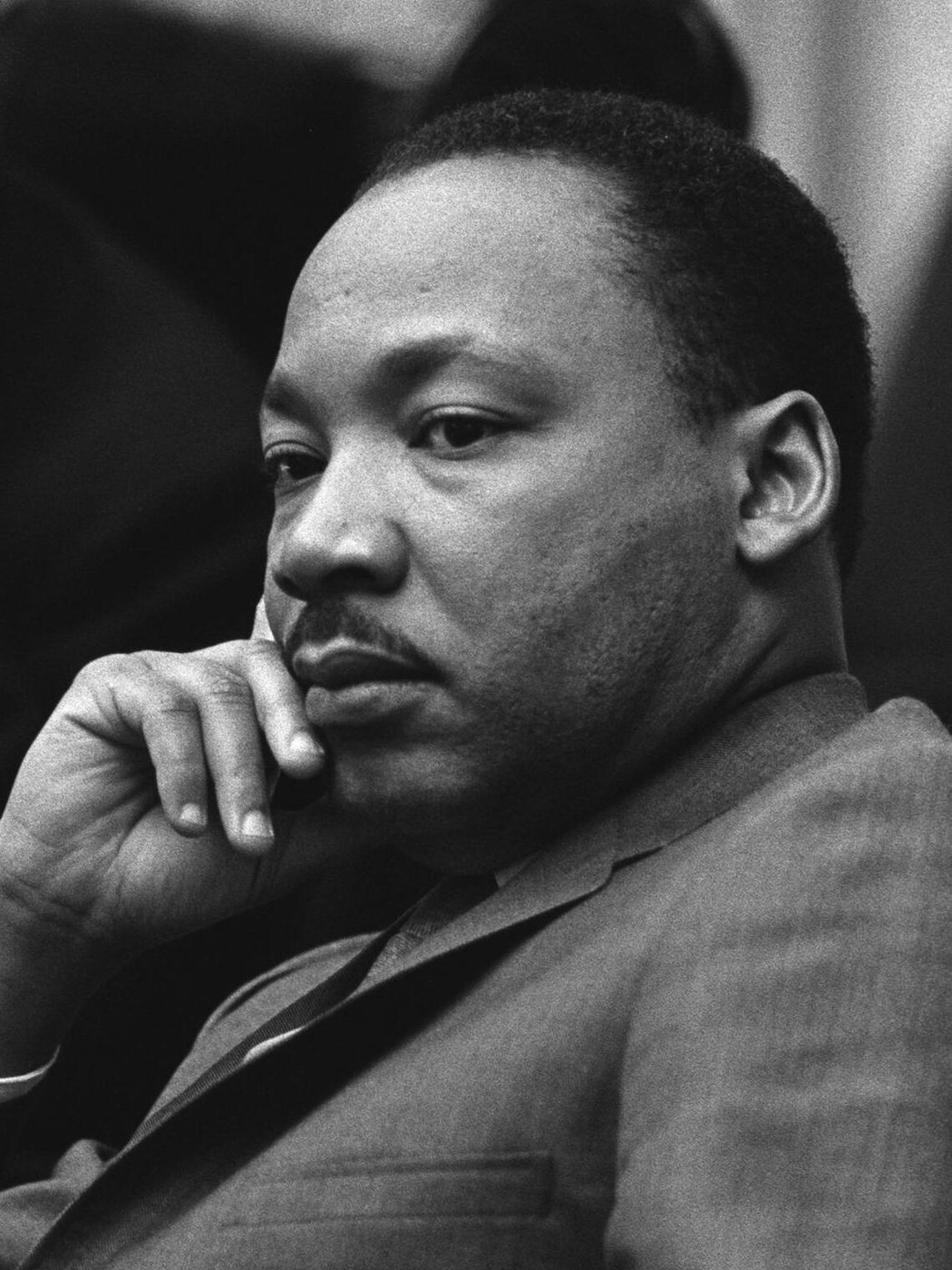
Angelou’s professional life extended beyond the United States, including periods in Egypt and Ghana. Journalism and contact with African political and cultural life widened the perspective from which she examined American racial experience. She also participated in the civil rights movement and worked with figures including Martin Luther King Jr. Her public identity cannot be understood solely through the category of poet or memoirist. Activism, employment, motherhood and international travel supplied connected settings for her writing, where a person’s struggle for dignity was repeatedly placed within larger structures of history and social power.
The autobiographical achievement
I Know Why the Caged Bird Sings was published in 1969 and brought Angelou a much wider readership. It presents childhood and adolescence through a narrative that combines painful events with close attention to family, community and the discovery of language. Later autobiographical volumes followed different stages of her adult life rather than treating the first book as a complete account. This extended project makes self-narration an evolving practice. Memory becomes material shaped through scene, rhythm and selection, while the experiences of one person remain connected to the people and institutions around her.
Poetry as print and public performance
Angelou’s poetry developed alongside the memoirs, including collections such as Just Give Me a Cool Drink of Water ’fore I Diiie and And Still I Rise. The relationship between a printed poem and a spoken performance was central to her public presence. In 1993 she delivered On the Pulse of Morning at President Bill Clinton’s inauguration, bringing poetry into a major civic ceremony. The occasion demonstrated how an individual literary voice could address a broad audience through historical images and an invitation to imagine a shared future. Her work also extended into film, television and theatre.
Teaching and literary legacy
In 1982 Angelou became Reynolds Professor of American Studies at Wake Forest University, a position she held until her death in 2014. Teaching and public appearances allowed her literary work to become part of an ongoing exchange with students and audiences. Her later books continued to revisit relationships, memory and the responsibilities of speaking. The enduring significance of her career lies in its combination of artistry and witness: autobiography could make an individual life visible without detaching it from collective experience. Assessing that legacy requires reading the books themselves alongside the celebrated public figure who emerged around them.
Career timeline
Born Marguerite Johnson in St. Louis, Missouri.
I Know Why the Caged Bird Sings was published.
Became Reynolds Professor of American Studies at Wake Forest University.
Delivered On the Pulse of Morning at the presidential inauguration.
Died on 28 May after a career in literature, performance and teaching.
Selected works & milestones
I Know Why the Caged Bird Sings
The first volume of her autobiographical writing.
And Still I Rise
A major poetry collection.
All God’s Children Need Traveling Shoes
A memoir drawing on her life in Ghana.
On the Pulse of Morning
An inaugural poem presented in a national civic setting.
- Wake Forest University — Maya Angelou research resources
- Academy of American Poets — Maya Angelou
- National Women’s History Museum — Maya Angelou
- Maya Angelou — official biography
- Penguin Random House — And Still I Rise
Published 2026-11-07. Sources reviewed for this edition. Independent coverage of public professional activity.