Contents — explore this biography
Learning within postwar ParisA new house and adaptable separatesBalenciaga and the discipline of proportionAudrey Hepburn and the public image of eleganceRetirement and the surviving workLearning within postwar Paris
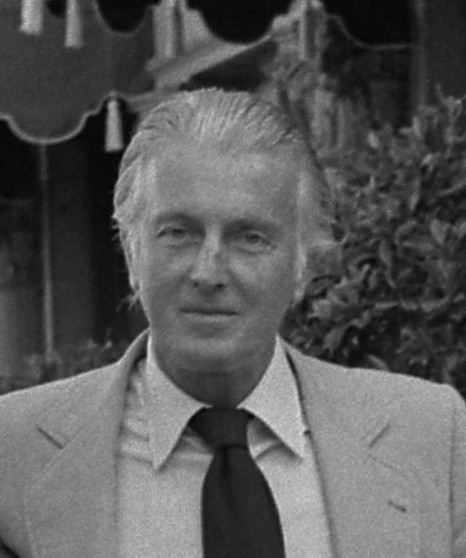
Hubert de Givenchy was born in Beauvais, France, in 1927. His early career developed within the Paris fashion world, where work connected him with established designers including Jacques Fath, Lucien Lelong, Robert Piguet and Elsa Schiaparelli. Experience across these houses exposed him to different approaches to form, decoration and the organization of couture. This professional training preceded the association with film stars that later brought his name to a much wider audience. It grounded his style in the practical knowledge of clothing: how a garment is constructed, how it behaves on the body and how its appearance changes when a wearer moves.
A new house and adaptable separates
Givenchy founded his own house in 1952. The first collection, Les Séparables, offered combinations of blouses and skirts rather than treating every outfit as an inseparable whole. The Bettina blouse became a particularly recognizable expression of that beginning. This interest in adaptable dressing belongs alongside the formal evening clothes for which he is often remembered. It gave clients ways to assemble a wardrobe while retaining the careful proportions of couture. His early success illustrates how a fashion house could establish a clear identity through the organization of clothing as well as through decoration, and through an understanding of everyday use as well as exceptional occasions.
Balenciaga and the discipline of proportion
Givenchy met Cristóbal Balenciaga in 1953 and developed a lasting relationship with the older couturier. The connection is an important part of his creative biography, emphasizing the seriousness with which he approached structure and proportion. Elegance in this tradition was not simply a matter of adding luxurious materials. It depended on the relationship between body, volume, fabric and the space surrounding a garment. Givenchy’s work could appear restrained while requiring considerable technical judgment. Studying that relationship helps explain why the apparent ease of his clothing should not be confused with simplicity of manufacture or an absence of deliberate design decisions.
Audrey Hepburn and the public image of elegance
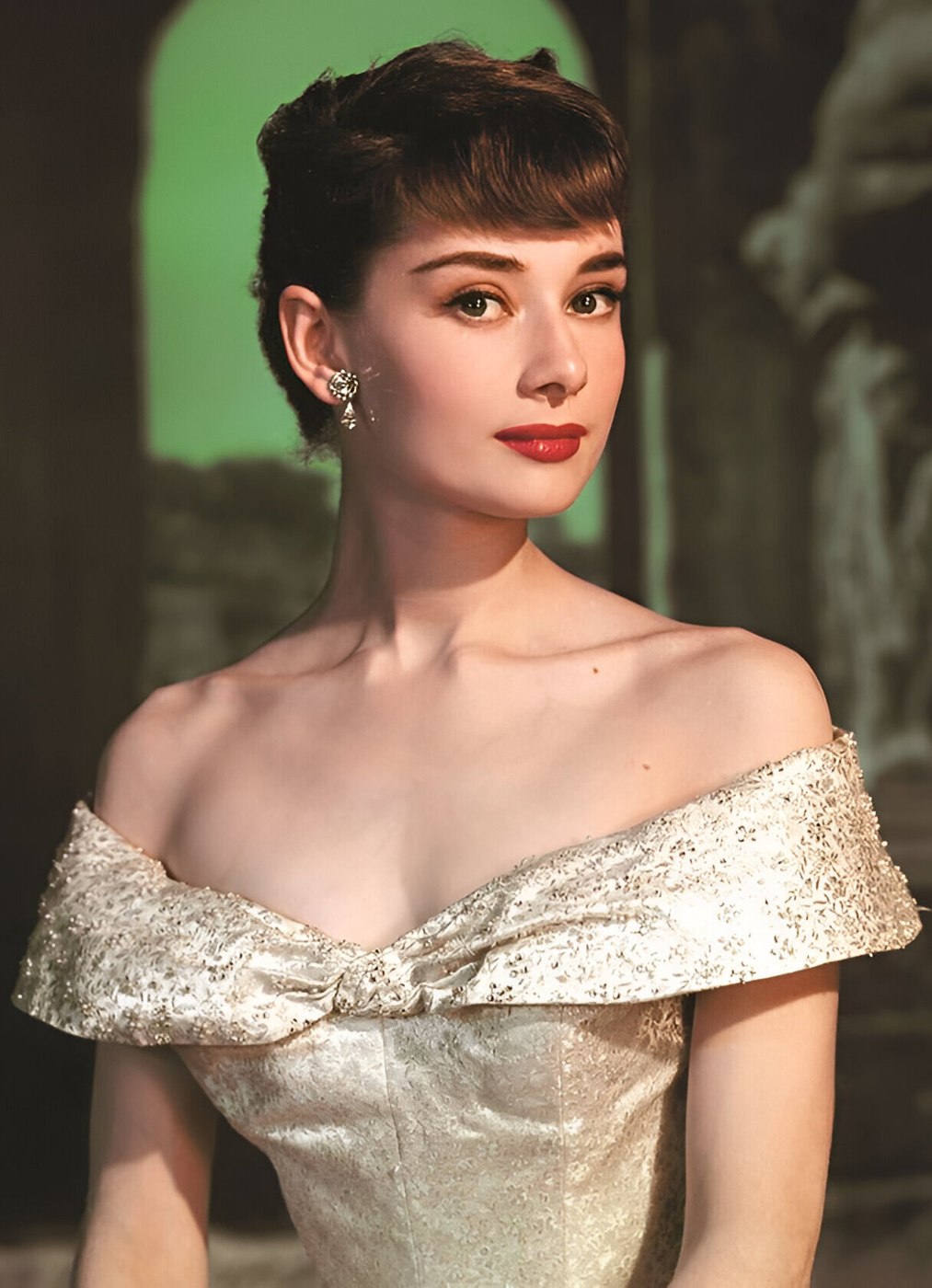
His collaboration and friendship with Audrey Hepburn gave Givenchy’s clothes a place in the history of cinema and celebrity. The black dress associated with Breakfast at Tiffany’s in 1961 became an enduring cultural reference. Their relationship extended beyond a single film, connecting personal style with public performance. It is important, however, to distinguish individual Givenchy garments from the wider work of film costume departments. The house also developed perfume, including L’Interdit, and later menswear. These activities extended its identity to different audiences while preserving the association with carefully controlled elegance that had formed through couture and his relationship with Hepburn.
Retirement and the surviving work
Givenchy retired in 1995, after the house had become part of LVMH in 1988. He died in 2018. Later collections under the Givenchy name belong to subsequent creative directors and should be distinguished from the founder’s own work. Museum collections preserve garments through which his contribution can be assessed directly, including examples of sophisticated evening wear. The survival of those objects adds substance to the familiar photographs of famous clients. His legacy rests on the balance between adaptable clothing, precise construction and a powerful public image of elegance, supported by the atelier skills that turned that image into clothes people could actually wear.
Career timeline
Born in Beauvais.
Founded Givenchy and presented Les Séparables.
Met Cristóbal Balenciaga.
His work appeared in Breakfast at Tiffany’s.
Retired in 1995 and died in 2018.
Selected works & milestones
Les Séparables
Adaptable separates introduced with the house’s first collection.
Bettina blouse
A signature of the early Givenchy house.
Breakfast at Tiffany’s dress
An influential cinematic expression of his collaboration with Audrey Hepburn.
Givenchy Gentleman
Extended the house’s activities into menswear.
- Givenchy — maison history
- Givenchy — the house
- Comité Colbert — Givenchy
- The Metropolitan Museum of Art — Hubert de Givenchy
Published 2026-11-09. Sources reviewed for this edition. Independent coverage of public professional activity.