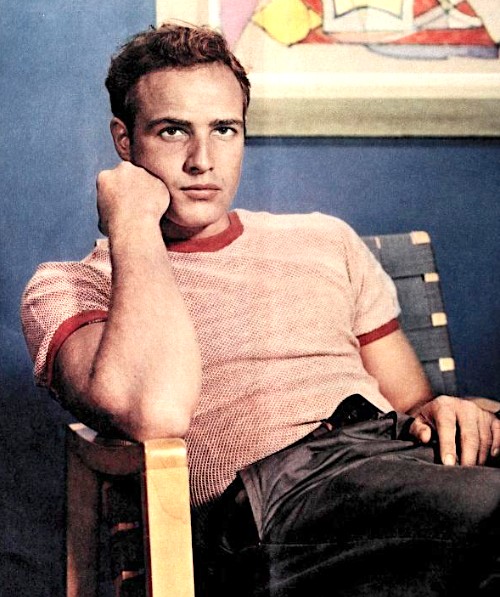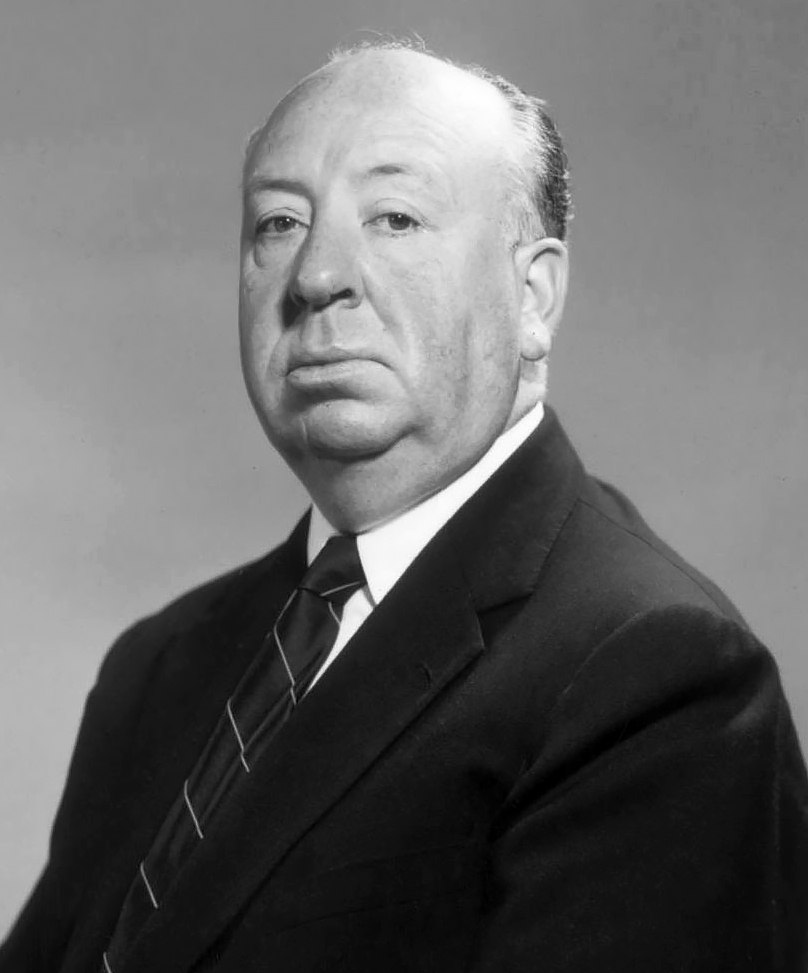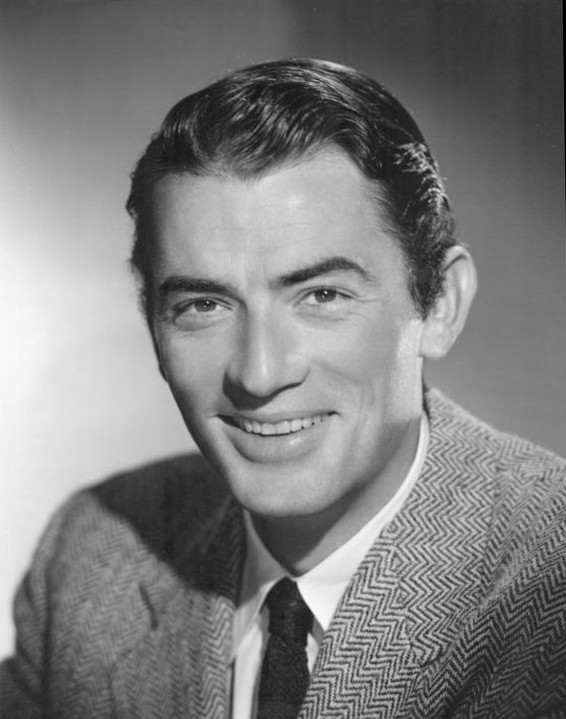
Contents — explore this biography
Finding an occupation in performanceA leading man across different genresAtticus Finch and a defining performanceProduction, institutions and professional responsibilityRecognition and the limits of a screen imageFinding an occupation in performance
Gregory Peck was born in La Jolla, California, in 1916. His route toward acting developed through college theatre and professional training in New York, including study at the Neighborhood Playhouse. Stage work preceded his Hollywood career and helped establish the vocal control and physical assurance that became important features of his screen presence. His first film, Days of Glory, appeared in 1944. A rapid succession of substantial roles followed, but the apparent ease of his authority should not obscure the preparation behind it. His career was built through training, experience and the adjustment of theatrical technique to the camera.
A leading man across different genres
Peck’s major early films included The Keys of the Kingdom, Spellbound, The Yearling and Gentleman’s Agreement. These roles placed him in religious, psychological, family and social dramas, demonstrating that a recognizable leading-man identity could operate across very different narratives. His characters often faced an obligation whose personal cost was central to the story. That pattern helped shape his reputation for moral seriousness, but it did not make every role interchangeable. Suspense, romantic comedy, westerns and war films required him to vary the relationship between outward composure and the pressures that threatened to break it.
Atticus Finch and a defining performance
To Kill a Mockingbird, released in 1962, gave Peck the role most closely associated with his public reputation: lawyer and father Atticus Finch. The performance locates conviction within ordinary actions, conversation and the effort to make difficult principles understandable to children. Peck received the Best Actor Oscar at the 1963 ceremony. The distinction between film year and award year is essential to an accurate career timeline. The role’s continuing cultural prominence also invites a distinction between an actor, a fictional character and the historical realities represented by a film; their meanings overlap without becoming identical.
Production, institutions and professional responsibility
Peck’s work extended beyond appearing on screen. He participated in film production, with The Big Country providing an important example, and took leadership responsibilities within the profession. His service as president of the Academy of Motion Picture Arts and Sciences connected his reputation to institutional decisions rather than performance alone. The surviving Gregory Peck Collection includes home movies and personal film prints, allowing researchers to examine aspects of both family record and professional practice. These materials help complicate the familiar public image by showing a working career shaped by collaborators, production choices and responsibilities outside a single celebrated role.
Recognition and the limits of a screen image
The American Film Institute presented Peck with its Life Achievement Award in 1989, recognizing a career that continued into later decades. He died in 2003. His enduring association with dignity and public service reflects both documented commitments and the kinds of characters audiences repeatedly saw him portray. A balanced account treats those connections seriously without assuming that a screen persona provides a complete account of a person. His body of work remains valuable for the different ways it tests authority: a voice can reassure, an orderly appearance can conceal uncertainty, and conviction becomes meaningful when a character must accept its consequences.
Career timeline
Born in La Jolla, California.
Made his film debut in Days of Glory.
Received Best Actor for To Kill a Mockingbird at the Academy Awards.
Received the AFI Life Achievement Award.
Died after a long acting and public-service career.
Selected works & milestones
Gentleman’s Agreement
A drama examining antisemitism and social complicity.
Roman Holiday
A romantic comedy with Audrey Hepburn.
The Big Country
A western in which Peck also worked as a producer.
To Kill a Mockingbird
Atticus Finch performance recognized at the 1963 Oscars.
- Gregory Peck — official biography
- AFI — Gregory Peck
- Academy — Gregory Peck collection
- Academy Film Archive — Gregory Peck Collection
- Academy — 1963 ceremony
Published 2026-11-09. Sources reviewed for this edition. Independent coverage of public professional activity.