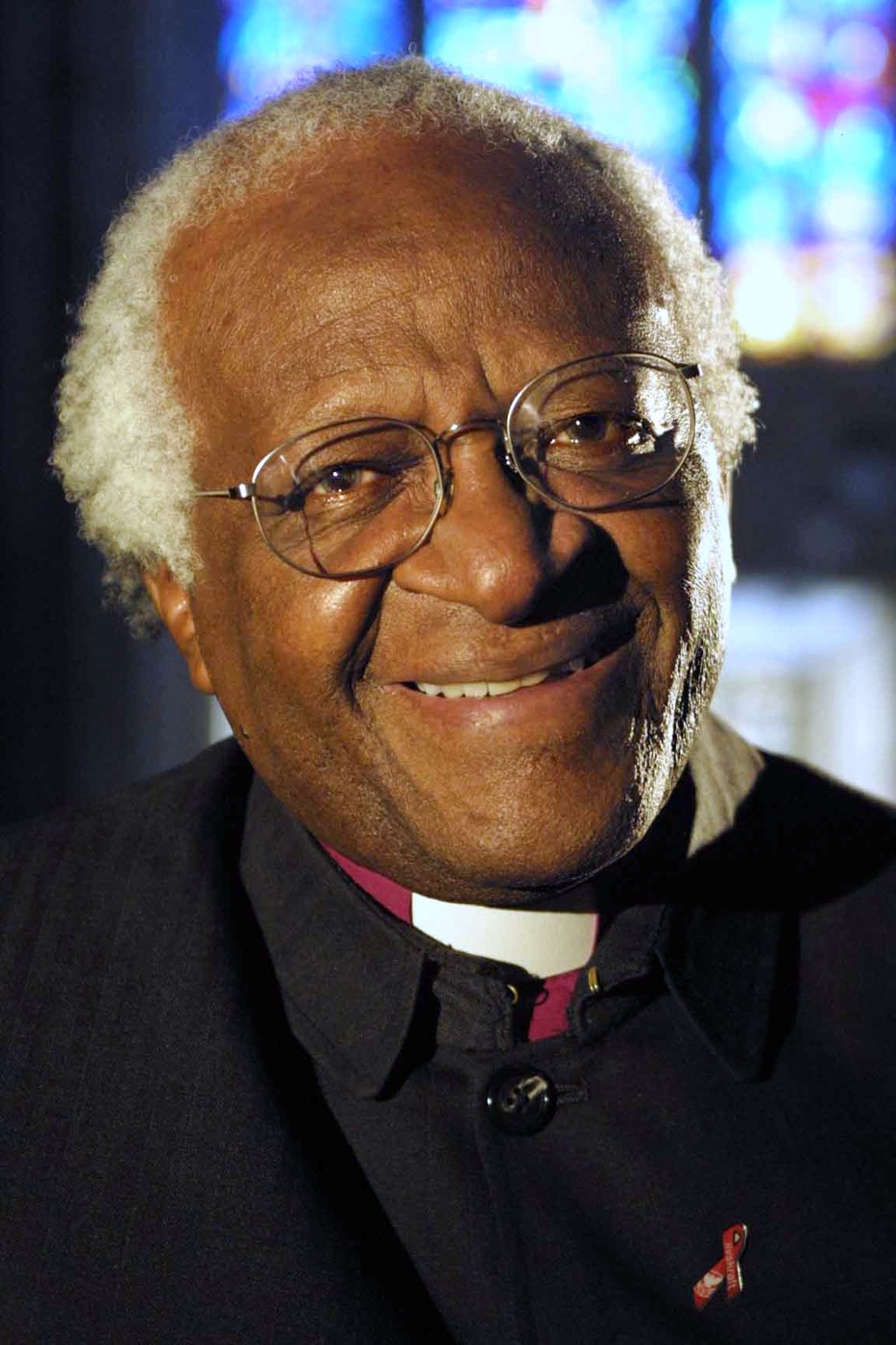
Contents — explore this biography
From teaching to the Anglican ministryOpposition to apartheidNobel recognition and archiepiscopal leadershipTruth, testimony and reconciliationA moral voice beyond the transitionFrom teaching to the Anglican ministry
Tutu was born in Klerksdorp in 1931 and initially trained as a teacher before entering the Anglican ministry. His experience of apartheid’s effects on education helped shape his public commitments. Further theological study and work in church institutions gave him a platform that connected local communities with international networks of religious and political attention.
Opposition to apartheid
As a church leader, Tutu challenged racial exclusion and argued for equal political rights. His leadership of the South African Council of Churches from 1978 made him a prominent voice against apartheid. He supported nonviolent pressure, including international economic measures, while refusing to treat the state’s racial hierarchy as a legitimate basis for social order.
Nobel recognition and archiepiscopal leadership
The 1984 Nobel Peace Prize recognized Tutu’s role in the nonviolent struggle against apartheid. In 1986 he became Archbishop of Cape Town. Religious office offered authority and visibility, but his public influence also depended on speeches, negotiations and relationships with communities enduring repression. His campaign was part of a much wider national and international movement.
Truth, testimony and reconciliation
Following the transition to democracy, Tutu chaired the Truth and Reconciliation Commission. Its hearings brought testimony about serious abuses into public view and linked certain amnesty applications to disclosure requirements. The process sought a way of confronting violence without equating reconciliation with silence. Its achievements and limitations remain subjects of debate, particularly in relation to accountability and reparations.
A moral voice beyond the transition
Tutu continued to speak on human rights and criticize abuses after apartheid, including failures by leaders of the new political order. He died in 2021. His legacy draws together resistance, religious conviction and the difficult public work of listening to victims. It also raises enduring questions about whether political reconciliation can succeed without sustained material and institutional change.
Career timeline
Born in Klerksdorp.
Ordained as an Anglican priest.
Became general secretary of the South African Council of Churches.
Awarded the Nobel Peace Prize.
Appointed to chair the Truth and Reconciliation Commission.
Selected works & milestones
Church council leadership
Used an ecumenical platform to oppose apartheid.
Nobel Peace Prize
Recognized his nonviolent anti-apartheid leadership.
Archbishop of Cape Town
Became a leading figure within the Anglican Church.
Truth and Reconciliation Commission
Chaired public examination of serious human-rights abuses.
- Nobel Peace Prize — 1984 laureate
- Nobel Prize — biographical record
- Nobel Prize — award and facts
- Biographical references and further reading
Published 2026-11-02. Sources reviewed for this edition. Independent coverage of public professional activity.