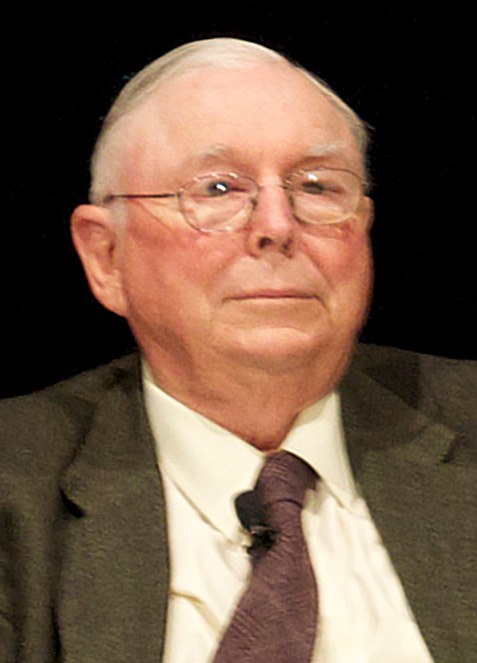
Contents — explore this biography
From Omaha to legal practiceAn investor alongside Warren BuffettQuality, price and the ownership perspectiveMental models and the discipline of judgmentInstitutions, philanthropy and legacyFrom Omaha to legal practice
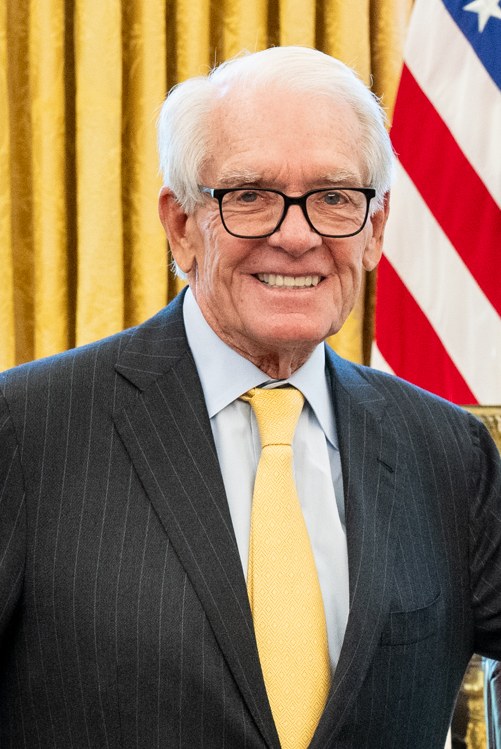
Charlie Munger was born in Omaha in 1924 and followed a route into investing that passed through mathematics, military service and law. After studying at the University of Michigan and serving during the Second World War, he attended Harvard Law School despite not having completed an undergraduate degree. He graduated in 1948 and practised law in California. The experience exposed him to property, commercial arrangements and clients whose wealth came from owning enterprises rather than charging for professional time.
An investor alongside Warren Buffett
Munger met Warren Buffett in 1959, beginning a relationship that developed through discussion, investments and increasingly close business collaboration. He operated his own investment partnership before becoming Berkshire Hathaway’s vice chairman in 1978. Their partnership was not simply a division between one public speaker and one silent assistant. Buffett later credited Munger with helping change the underlying direction of Berkshire: the quality and durability of an operating business could justify attention beyond the cheapness of its quoted shares.
Quality, price and the ownership perspective
The acquisition of See’s Candies became an important illustration of the approach associated with Munger and Buffett. A business with customer loyalty and pricing power could generate cash over many years without requiring every dollar of earnings to be reinvested. Munger’s contribution was to connect valuation with the economics of ownership. He did not argue that a good business was attractive at any price; the relationship between quality, purchase cost and future cash generation remained central to the analysis.
Mental models and the discipline of judgment
Munger’s speeches ranged across psychology, probability, incentives, history and the physical sciences. He encouraged listeners to examine a problem through several disciplines, particularly when a persuasive explanation depended on a single professional vocabulary. His discussions of misjudgment emphasized the ways incentives, social pressure and overconfidence can distort decisions. These ideas circulated through annual meetings, lectures and Poor Charlie’s Almanack. Their significance lies in a method of questioning assumptions, rather than in a mechanical formula that guarantees a successful investment.
Institutions, philanthropy and legacy
Alongside Berkshire, Munger held significant roles at Wesco Financial and the Daily Journal Corporation, while supporting educational and cultural institutions. His involvement with The Huntington reflected an interest in libraries, research and the long-term development of institutions. He died in 2023, shortly before his hundredth birthday. His legacy combines capital allocation with an unusually explicit account of how judgment can fail. Understanding it requires distinguishing documented business decisions from the compressed sayings and anecdotes that later became part of his public reputation.
Career timeline
Born in Omaha, Nebraska.
Graduated from Harvard Law School.
Met Warren Buffett and began a lasting intellectual partnership.
Became vice chairman of Berkshire Hathaway.
Died after decades of investing and institutional philanthropy.
Selected works & milestones
Investment partnership
Began a period of independent money management.
See’s Candies
An important investment illustrating durable business quality.
Berkshire Hathaway vice chairmanship
Joined Buffett in leading the diversified company.
Poor Charlie’s Almanack
A collection of talks and reflections edited by Peter D. Kaufman.
- Berkshire Hathaway — Buffett’s tribute
- University of Michigan Law — career remembrance
- The Huntington — institutional legacy
Published 2026-11-05. Sources reviewed for this edition. Independent coverage of public professional activity.