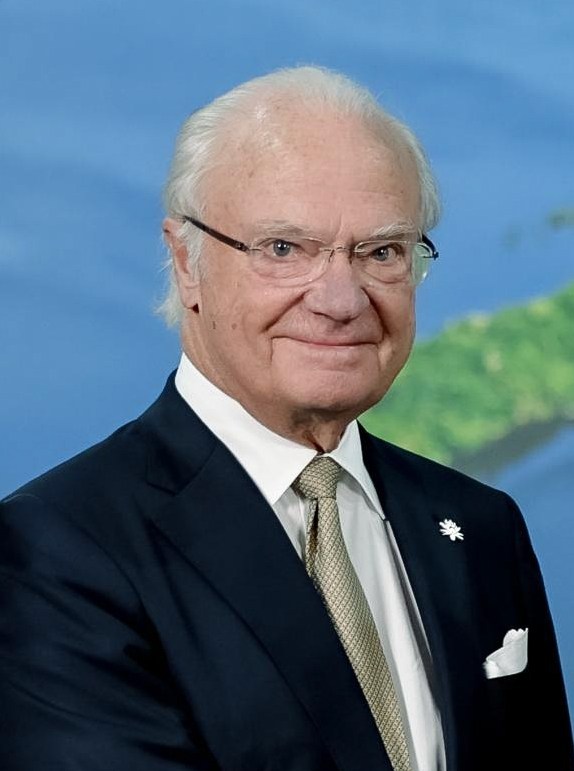
Contents — explore this biography
Childhood and familyEducation and preparationAccession in 1973Marriage and the next generationScouting and public interestsA long constitutional reignChildhood and family
Carl Gustaf was born at Haga Palace in Solna on 30 April 1946, a son of Prince Gustaf Adolf and Princess Sibylla. His father died in an aircraft accident in 1947. He became crown prince in 1950 when his grandfather Gustaf VI Adolf became king. The sequence explains why he succeeded his grandfather rather than his father.
Education and preparation
His preparation included schooling, military education and study of subjects relevant to public affairs. A long period as crown prince preceded accession. The biography distinguishes formal qualifications from introductory courses and institutional visits, because royal preparation can include several forms of learning that should not all be described as equivalent university degrees.
Accession in 1973
Carl Gustaf became king on 15 September 1973 following Gustaf VI Adolf’s death. His accession and subsequent ceremonial presentation belong to the same transition but are not the same event. The modern Swedish sovereign’s representative position developed within a constitutional framework that separates royal duties from political government, rather than granting the king a direct ministerial role.
Marriage and the next generation
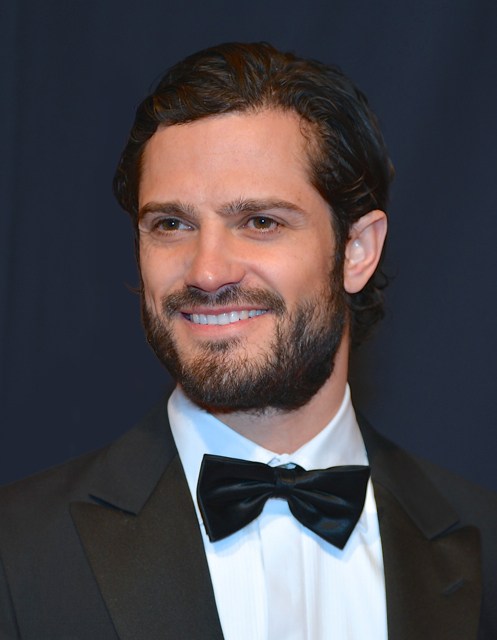
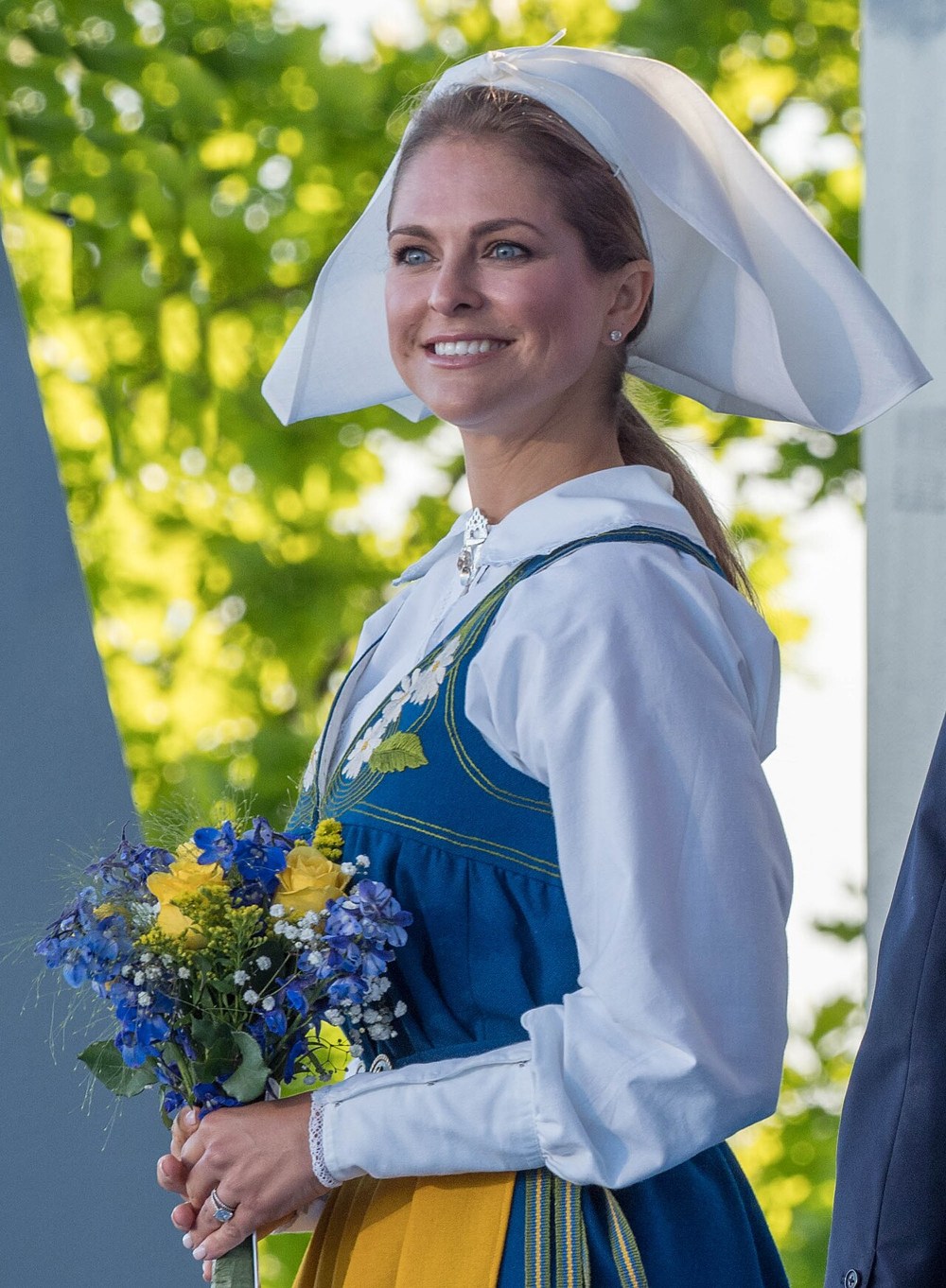
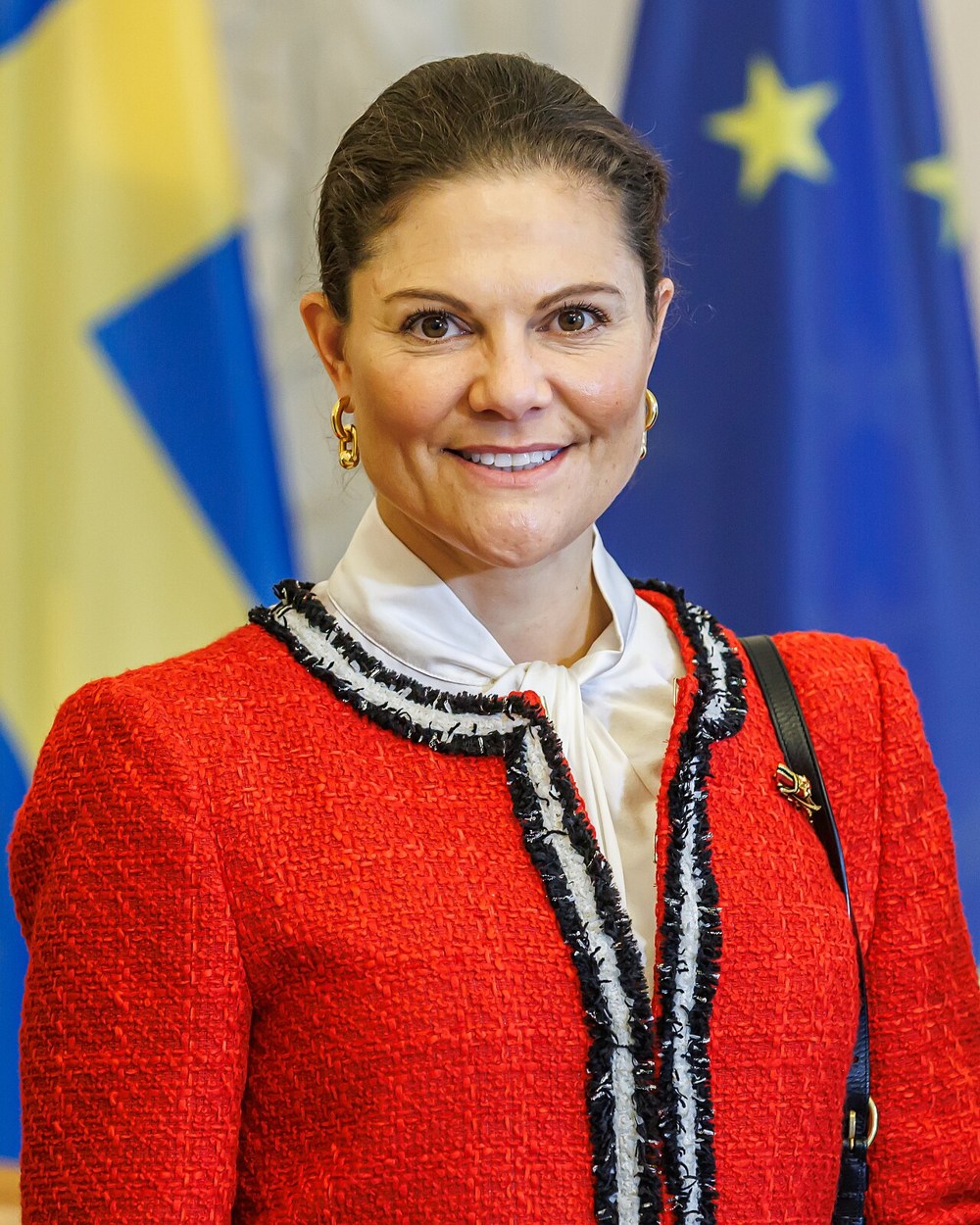
He married Silvia Sommerlath in 1976. Their children are Victoria, Carl Philip and Madeleine. A succession-law change effective in 1980 made the eldest child heir regardless of sex, placing Victoria first in line. Family seniority and legal succession rules therefore both matter: the presence of a son does not displace the elder daughter under Sweden’s current arrangement.
Scouting and public interests
Scouting has been a recurring interest from his youth into his public programme. He has supported scouting institutions and youth leadership, alongside environmental and cultural activities. These are documented themes rather than measures of every programme’s results. Royal patronage can provide visibility while professional organizations and participants carry out the underlying work.
A long constitutional reign
His reign spans changes in Swedish society while the institution remains constitutionally representative. State visits, national ceremonies and the Nobel Prize presentations form visible parts of the public record. The linked Victoria profile explains the heir’s distinct work and preparation, making it possible to follow continuity across generations without describing the heir as already holding the sovereign office.
Career timeline
Becomes crown prince.
Succeeds Gustaf VI Adolf as king.
Marries Silvia Sommerlath.
The new succession rules establish Victoria as heir.
Marks fifty years on the throne.
Selected works & milestones
Education & early career
Becomes crown prince.
Public responsibilities
Succeeds Gustaf VI Adolf as king.
A defining milestone
The new succession rules establish Victoria as heir.
Royal role & continuity
Marks fifty years on the throne.
- Swedish Royal House — official biography and responsibilities
- Swedish Royal House — heir and succession change
- Carl XVI Gustaf — biographical reference and cited sources
Published 2026-10-31. Sources reviewed for this edition. Independent coverage of public professional activity.