Contents — explore this biography
Education and a beginning on Wall StreetFrom securities trading to corporate influenceThe activist method and its trade-offsA holding company and investment platformEducation, medicine and a contested legacyEducation and a beginning on Wall Street
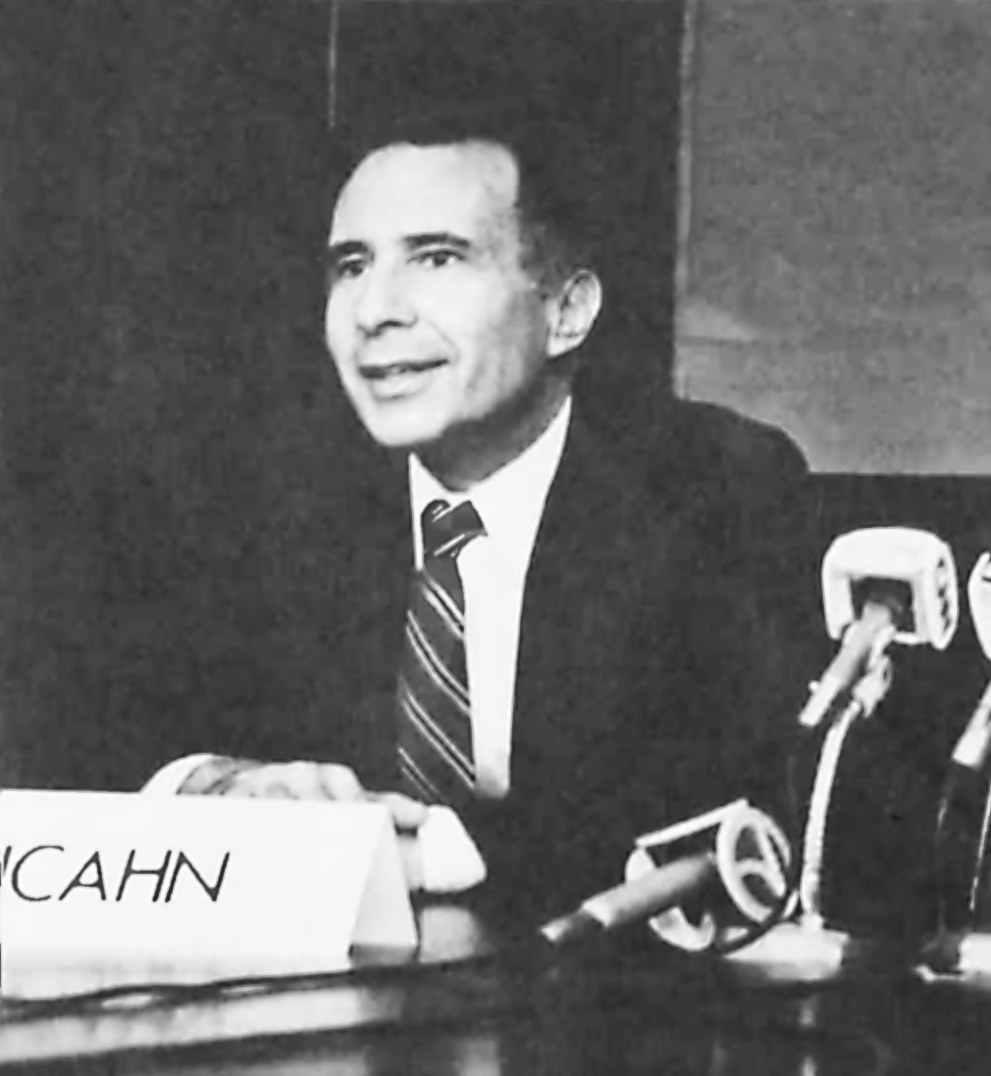
Carl Icahn grew up in Far Rockaway, Queens, and graduated from Princeton University with a philosophy degree in 1957. After attending medical school and serving in the Army, he began working on Wall Street in 1961. His early professional experience included options and arbitrage, activities requiring attention to price relationships and the structure of transactions. In 1968 he established Icahn & Co. The transition from employee to owner created the platform from which he later pursued larger positions in individual companies.
From securities trading to corporate influence
During the late 1970s Icahn began taking substantial stakes in companies and pressing for changes in ownership, strategy or capital allocation. A shareholder could seek influence through negotiations, proxy contests and the threat of a takeover, rather than simply wait for the market to recognize an investment’s value. His campaigns helped make activist investing a conspicuous part of American corporate life. They also generated debate about whose interests a restructuring serves and whether immediate financial gains align with durable operating improvements.
The activist method and its trade-offs
Icahn’s approach has often involved identifying assets or businesses he considered undervalued and challenging the decisions of incumbent management. A campaign might seek board representation, a sale, a separation of divisions or a different use of cash. These are distinct interventions with different consequences. The history of his investments therefore requires company-specific analysis rather than treating activism as automatically constructive or destructive. Public announcements, negotiations and formal shareholder rights all play roles in translating an economic stake into practical influence.
A holding company and investment platform
Icahn Enterprises became the principal listed vehicle associated with many of his investments and operating businesses. Its activities have spanned multiple industries rather than a single product or market. The company’s governance record identifies Icahn as chairman, while Icahn Capital has provided a structure for managing investment funds. This arrangement combines ownership of operating assets with financial investment activity. Understanding it requires distinguishing the publicly traded partnership, its subsidiaries and personally associated interests, rather than assuming every business linked to his name has identical ownership.
Education, medicine and a contested legacy
Icahn’s philanthropy has included support for Mount Sinai, Princeton and charter schools in New York. The medical school at Mount Sinai adopted his name in 2012 following a major gift. These commitments form a substantial part of his institutional record alongside investing. His wider legacy lies in changing expectations about how shareholders can confront management and influence corporate decisions. A balanced biography recognizes that a forceful negotiating style, a successful transaction and a positive long-term result for every affected group are not the same proposition.
Career timeline
Born in New York City.
Graduated from Princeton University.
Began his Wall Street career.
Established Icahn & Co.
Mount Sinai’s medical school adopted the Icahn name.
Selected works & milestones
Icahn & Co.
An independent securities firm focused on options and arbitrage.
Shareholder activism
Expanded into substantial corporate stakes and campaigns for change.
Icahn Capital leadership
A major platform for managing investment funds.
Icahn School of Medicine
Institutional recognition of support for medical education and research.
- Carl Icahn — official biography
- Icahn Enterprises — board biography
- Harvard Business School — leadership history
Published 2026-11-05. Sources reviewed for this edition. Independent coverage of public professional activity.