Contents — explore this biography
Mumbai and a young cricketer’s developmentAn international debut at sixteenBatting across different forms of the gameWorld Cups and the 2011 titleLate milestones and retirementA national figure and a technical legacyMumbai and a young cricketer’s development
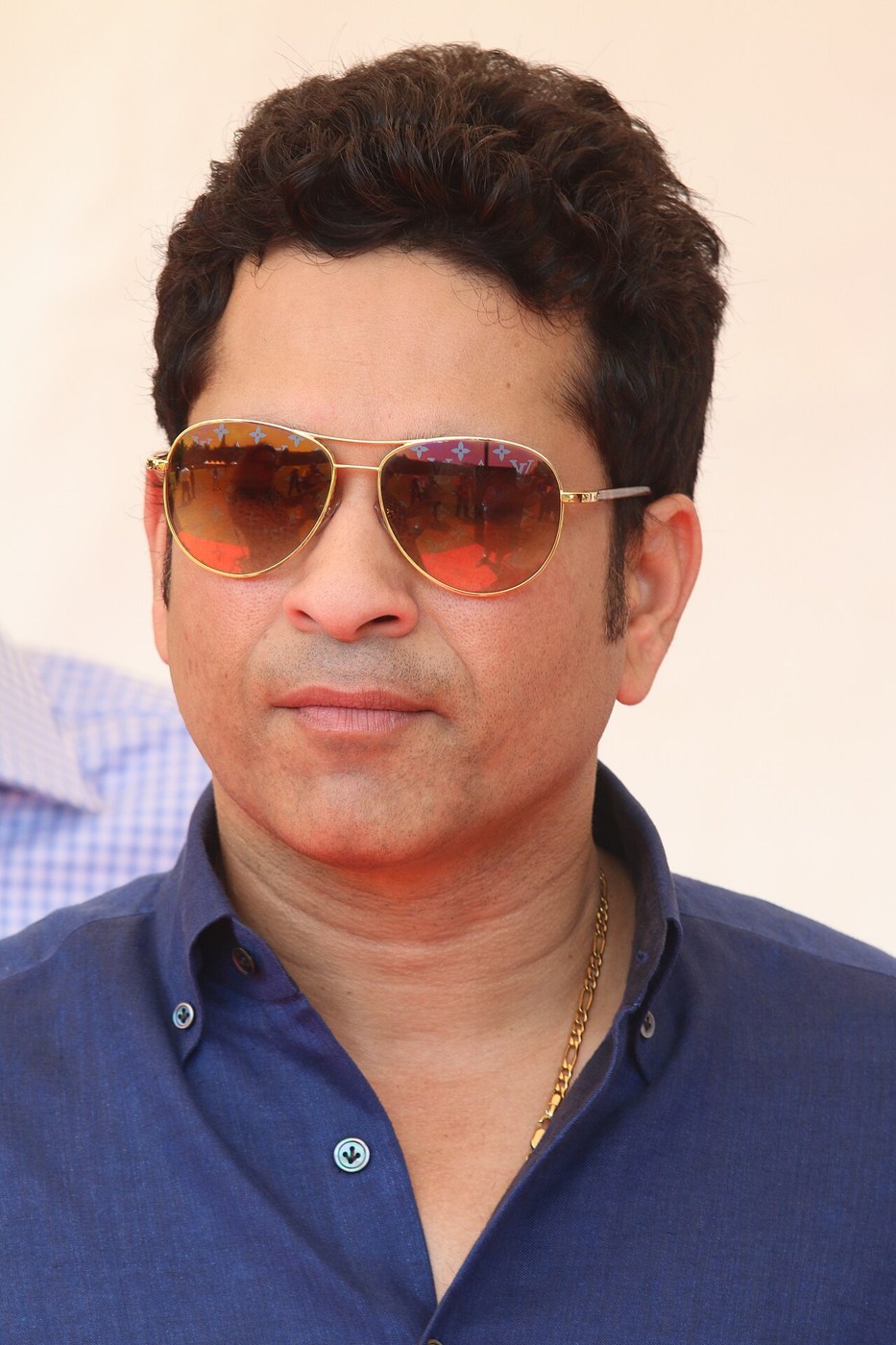
Sachin Tendulkar developed his cricket in Mumbai, with coaching from Ramakant Achrekar and extensive school-level competition. His early promise became visible through performances that brought attention before a senior international debut. The setting matters because Mumbai had a deep cricket tradition and a demanding competitive culture. Becoming an exceptional young player meant learning to construct innings within that environment, not only producing an isolated display of natural ability.
An international debut at sixteen
Tendulkar made his Test debut against Pakistan in 1989 at sixteen. The transition placed him against established international bowlers while still a teenager. Early exposure required adjustment to pace, pressure and the tactical choices of experienced opponents. The subsequent career developed through that learning process. A reputation for precocity did not remove the need to alter technique, recover from difficult series and understand how conditions changed the risks of particular shots.
Batting across different forms of the game
Tendulkar’s career included both Test cricket and one-day internationals, with different requirements for building an innings. He became a leading one-day opener while also sustaining a substantial Test record. The common foundation was control of timing, balance and shot selection. The difference lay in how those resources were used: a five-day match and a limited-overs chase do not ask a batter to value every delivery in the same way.
World Cups and the 2011 title
The 2003 World Cup brought Tendulkar the player-of-the-tournament award as India reached the final. In 2011 he was part of the team that won the World Cup in India, completing a long pursuit across several tournament appearances. The title belonged to a collective effort, while his own career gave it an additional personal meaning. Separating those perspectives preserves both the team achievement and the history attached to a senior player.
Late milestones and retirement
Tendulkar made the first double century in men’s one-day internationals in 2010 and completed one hundred international centuries in 2012. He retired from international cricket in 2013 after his two-hundredth Test. These completed milestones provide firmer biographical markers than changing all-time comparisons. The long career spans different generations of bowlers, equipment and tactical approaches, making duration and adaptation important parts of its meaning.
A national figure and a technical legacy
Tendulkar received the Bharat Ratna and was inducted into the ICC Hall of Fame in 2019. His public significance in India went beyond scorecards, but the cricket remains the basis of that prominence. A useful account therefore returns to preparation and repeated decision-making at the crease. The emotional expectations of a large audience were extraordinary; the work still had to be performed one delivery at a time.
Career timeline
Makes his Test debut for India against Pakistan at sixteen.
Receives the Cricket World Cup player-of-the-tournament award.
Scores the first double century in men’s ODI cricket.
Wins the Cricket World Cup as part of the Indian team.
Retires from international cricket after his two-hundredth Test.
Selected works & milestones
International debut
Begins a senior India career that continues for more than two decades.
Men’s ODI double century
Reaches a new individual innings milestone in the fifty-over game.
World Cup victory
A major team achievement after several earlier World Cup campaigns.
One hundred international centuries
Completes the combined milestone across Test matches and one-day internationals.
- Sachin Tendulkar — biographical reference and cited sources
- ICC — Hall of Fame career profile
- ICC — Hall of Fame induction record
Published 2026-10-31. Sources reviewed for this edition. Independent coverage of public professional activity.