Contents — explore this biography
Imperial family and early lifeHistorical studies in Japan and OxfordThe crown-prince periodMarriage and familyThe beginning of the Reiwa eraA symbolic constitutional officeImperial family and early life
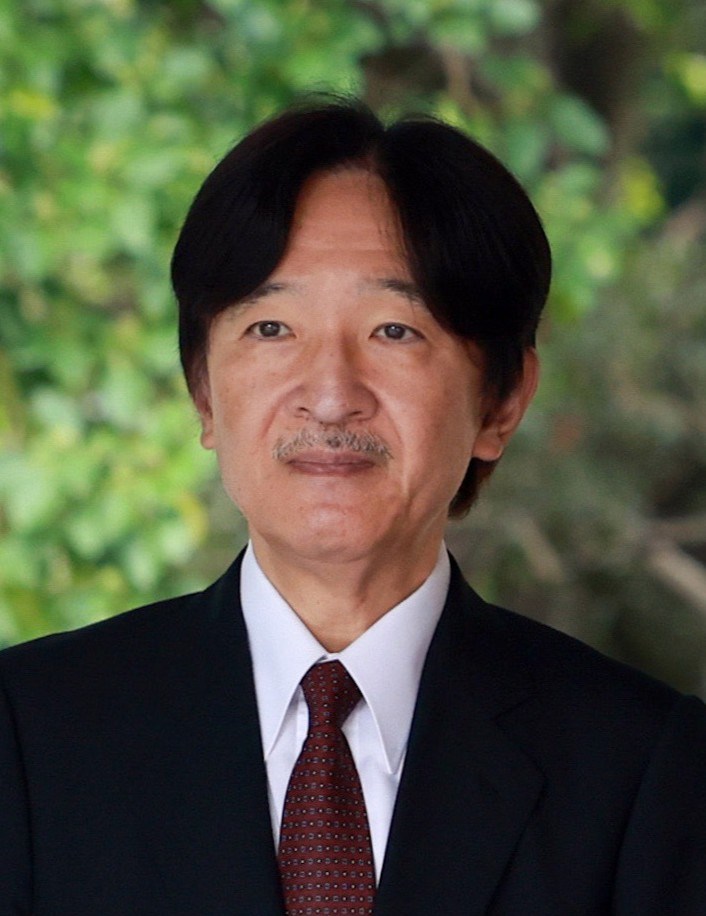
Naruhito was born in Tokyo on 23 February 1960, the eldest son of Akihito and Michiko. He is a member of Japan’s imperial family. His early life unfolded before his father’s reign, during the reign of Emperor Hirohito. The family chronology therefore spans several imperial eras, while this biography separates his education and heir-apparent period from his own accession.
Historical studies in Japan and Oxford
He graduated in history from Gakushuin University in 1982 and studied at Oxford from 1983 to 1985. His research interests included transport and the River Thames. These academic experiences form an individual element of the biography rather than an inherited royal title, and help explain the water-related themes that later appeared in his public work.
The crown-prince period
Akihito became emperor in 1989, making Naruhito the heir apparent. His formal investiture as crown prince followed in 1991. He undertook representative duties and official visits during the subsequent decades. Accession by the reigning emperor and investiture of the heir are different events, so the dates are kept separate rather than assigning one ceremony the meaning of both.
Marriage and family
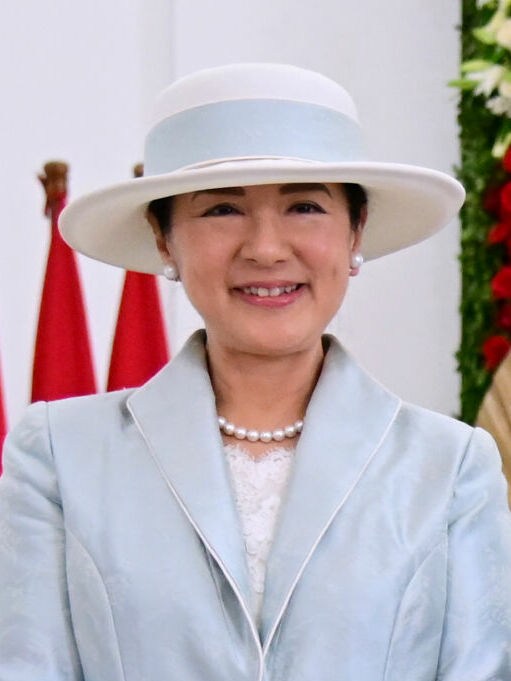
He married Masako Owada in 1993. Their daughter Aiko was born in 2001. Masako became empress when Naruhito acceded. Family relationships are recorded without assuming that every imperial family member has an identical place in the succession. Japan’s succession arrangements are a legal and institutional question, distinct from a general account of a relative’s public prominence.
The beginning of the Reiwa era
Naruhito acceded on 1 May 2019 following Akihito’s abdication. The Reiwa era began with the new reign. The enthronement ceremony took place on 22 October 2019, several months later. Abdication, accession and enthronement thus form separate points in the transition, which is one of the most important distinctions for readers of the modern imperial chronology.
A symbolic constitutional office
Under Japan’s constitutional framework, the emperor is the symbol of the state and of the unity of the people. The office does not amount to executive government. State acts and ceremonial duties should be understood within that framework. Including the imperial family in this royal collection broadens its geographical coverage while preserving the specific title, responsibilities and constitutional character of Japan’s institution.
Career timeline
Graduates in history from Gakushuin University.
Studies at Oxford.
Is formally invested as crown prince.
Marries Masako Owada.
Accedes on 1 May; the enthronement ceremony follows on 22 October.
Selected works & milestones
Historical study
Completes university education in Japan.
Oxford research
Studies in Britain before the crown-prince investiture.
Crown prince
A formal milestone during Akihito’s reign.
Reiwa accession
Becomes emperor following his father’s abdication.
Published 2026-10-31. Sources reviewed for this edition. Independent coverage of public professional activity.