Contents — explore this biography
Training before film stardomFinding an individual comic styleChoreography and filmmaking togetherAn international audienceA career beyond the stunt sequenceTraining before film stardom
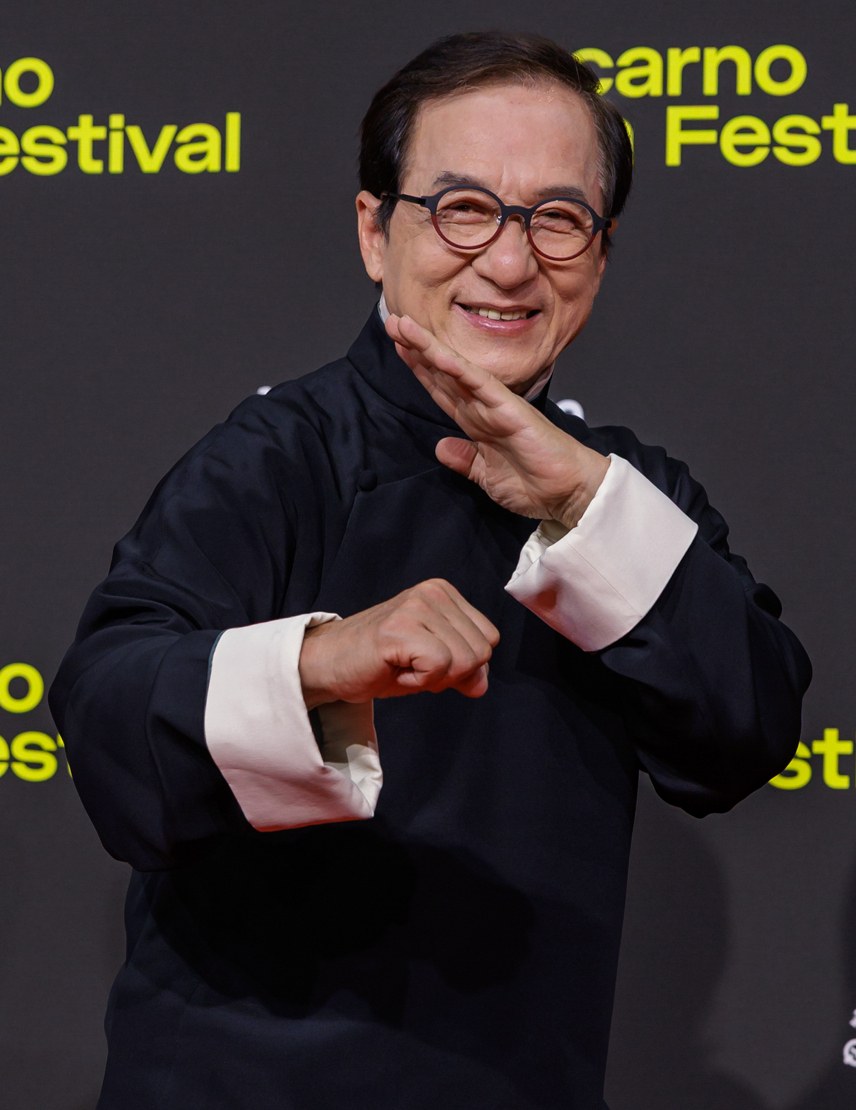
Jackie Chan trained at the China Drama Academy, where performance involved acrobatics, martial arts and the discipline of physical rehearsal. He entered the film industry through smaller roles and stunt work. That foundation is essential to his later identity: the action was not an addition to an otherwise conventional acting career, but part of the way he learned to tell a story on screen.
Finding an individual comic style
Snake in the Eagle’s Shadow and Drunken Master, both released in 1978, were major breakthroughs. Instead of building only on the image of an invulnerable martial-arts hero, the performances made pain, mistakes and improvisation part of the comedy. Characters could be resourceful without appearing effortless. The relationship between skill and comic vulnerability became a recurring source of narrative energy.
Choreography and filmmaking together
Project A and Police Story developed the combination of elaborate stunts, physical timing and carefully organized screen action. Chan’s work as a director and choreographer made the placement of a camera, the progression of a movement and the use of an everyday object part of the same creative problem. Collaborations with performers including Sammo Hung and Yuen Biao are also part of this period.
An international audience
Rumble in the Bronx helped establish a broader North American audience in the 1990s. Rush Hour then paired Chan with Chris Tucker in a Hollywood action comedy. The Shanghai films and other productions continued the international phase, while his work in Hong Kong and Chinese-language cinema remained substantial. The move across markets involved adapting the surrounding film structures as well as changing the audience.
A career beyond the stunt sequence
Chan has also worked in voice performance, music and more explicitly dramatic films, including The Foreigner. An honorary Academy Award recognized his contribution to cinema. The wider record should not obscure the craft at the centre of his best-known work: designing physical action so that it communicates character, danger and comedy in the same sequence.
Career timeline
Breakthroughs in Snake in the Eagle’s Shadow and Drunken Master.
Project A develops his action-comedy style.
Police Story becomes a landmark production.
Stars in Rush Hour.
Receives an honorary Academy Award.
Selected works & milestones
Drunken Master
An early action-comedy breakthrough.
Project A
A major physical-comedy and stunt production.
Police Story
A defining action film.
Rush Hour
A major Hollywood collaboration.
- Jackie Chan — biographical reference and cited career sources
- Official artist or professional reference
Published 2026-10-30. Sources reviewed for this edition. Independent coverage of public professional activity.