Contents — explore this biography
A childhood introduction to screen actingMoving beyond the child-actor rolePreparation and the performance itselfBatman and the dual public identityThe Fighter and ensemble-driven filmsLater roles and a varied filmographyA childhood introduction to screen acting
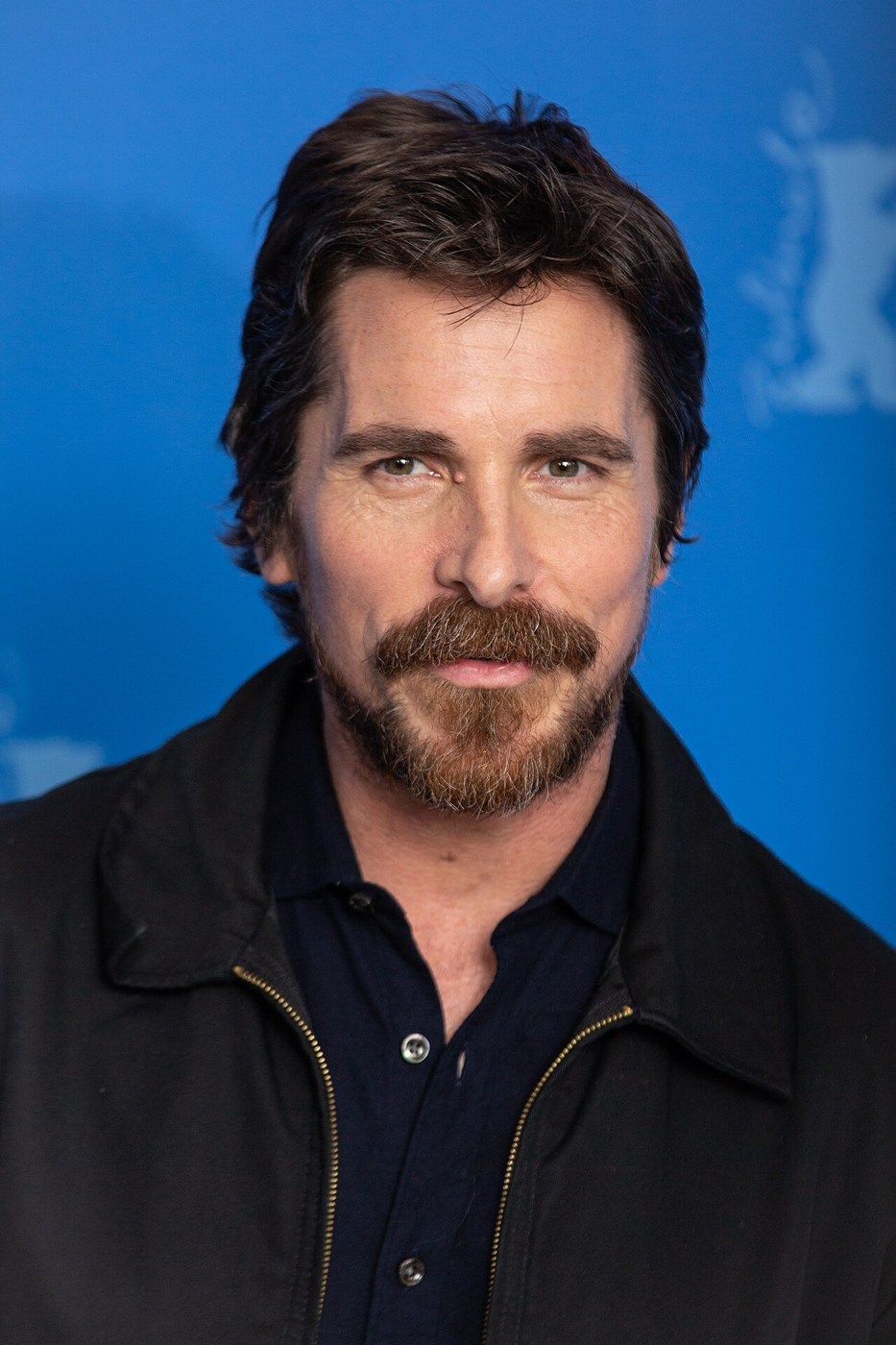
Christian Bale was born in Haverfordwest, Wales, and began professional acting while young. Steven Spielberg’s Empire of the Sun gave him a demanding leading role in 1987, portraying a British boy in wartime China. The film required a child performer to carry a large historical story, providing early experience with emotional transitions, complex staging and the demands of a major international production.
Moving beyond the child-actor role
Bale continued through films including Newsies and Little Women before playing Patrick Bateman in American Psycho in 2000. That role changed the context in which many viewers understood him. The performance uses immaculate appearance, rehearsed sociability and abrupt shifts in behavior to construct a satirical character. Rather than presenting a conventional leading man, the film turns the leading man’s surface into part of its disturbing joke.
Preparation and the performance itself
The Machinist and later films made Bale’s physical changes widely discussed, but body transformation is only one part of the work. His characters also depend on accent, posture, rhythm and relationships with other performers. Treating preparation as the achievement can obscure the finished performance: a convincing character must function within scenes and an overall story, not simply look different from the actor’s previous role.
Batman and the dual public identity
Christopher Nolan cast Bale as Bruce Wayne and Batman in a trilogy beginning with Batman Begins in 2005. The films place the superhero within stories about fear, institutions and public responsibility. Bale’s task included distinguishing the private Wayne, his public social performance and the masked identity. Those layers gave the franchise a different set of demands from the smaller dramatic films he continued making between installments.
The Fighter and ensemble-driven films
As Dicky Eklund in The Fighter, Bale portrayed a former boxer whose difficulties coexist with affection, talent and disruptive influence within his family. The performance won the supporting-actor Oscar in 2011. American Hustle and The Big Short then placed him within ensembles organized around deception and institutional failure. His work in those films demonstrates how a forceful character can serve a wider group narrative rather than dominate every scene.
Later roles and a varied filmography
Vice required a portrayal of Dick Cheney, while Ford v Ferrari cast Bale as racing driver Ken Miles. The contrast extends a career built through changes in setting, class position and personality. Bale’s filmography includes both studio-scale entertainment and character studies, with technical preparation supporting rather than replacing dramatic interpretation. His best-known roles share intensity, but they do not all express it in the same way.
Career timeline
Leads Steven Spielberg’s Empire of the Sun as a child actor.
Plays Patrick Bateman in American Psycho.
Begins portraying Bruce Wayne and Batman in Christopher Nolan’s trilogy.
Wins the supporting-actor Oscar for The Fighter.
Portrays racing driver Ken Miles in Ford v Ferrari.
Selected works & milestones
Empire of the Sun
A childhood leading performance within a large wartime drama.
American Psycho
A satirical character study organized around performance, status and violence.
The Dark Knight
The second film in Nolan’s Batman trilogy, exploring competing ideas of order and responsibility.
The Fighter
An ensemble sports drama that brought Bale the supporting-actor Academy Award.
- Christian Bale — biographical reference and cited sources
- Paramount — The Fighter production record
- BAFTA — supporting-actor award archive
Published 2026-10-31. Sources reviewed for this edition. Independent coverage of public professional activity.